Create practical and decorative pieces for the home with tutorials on decoupage, furniture makeovers, scrapbooking, patchwork and kanzashi. Browse interior accents, upcycling ideas and approachable projects that help turn familiar materials and old objects into something personal.
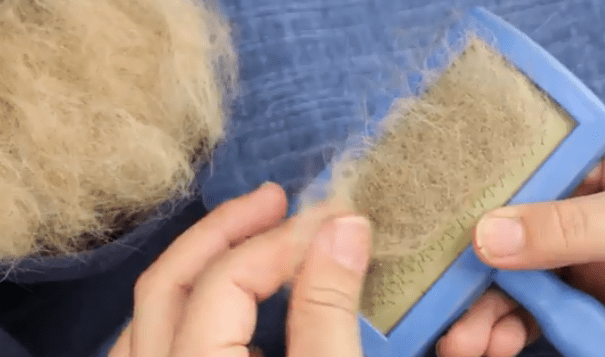
A practical lesson on turning collected pet undercoat into yarn: gathering clean fiber, washing it gently, carding it, and spinning it by hand or with a spindle.
Found a great garment but hate the rhinestones? Learn effective, safe methods to remove glued-on or hotfix crystals without damaging your fabric, from freezing to chemical solvents.
A step-by-step tutorial for a decorative plaster vase: a mix of 2 parts plaster to 1 part water, poured into a balloon, spread across the walls, dried for a couple of hours, an opening cut in, a plaster foot cast in a 1-1.5 cm ring, then sanding, painting, and varnish.
Tired of scuffed toddler shoes? Discover two creative DIY methods to refresh worn-out footwear using lace, paint, or glitter for a stylish, budget-friendly wardrobe update.
A step-by-step recipe for papier-mâché paste: soften pieces of toilet paper gradually in construction PVA glue, then add liquid soap, sunflower oil, starch, and flour one by one, and knead the mass on the table like dough for 10-15 minutes.
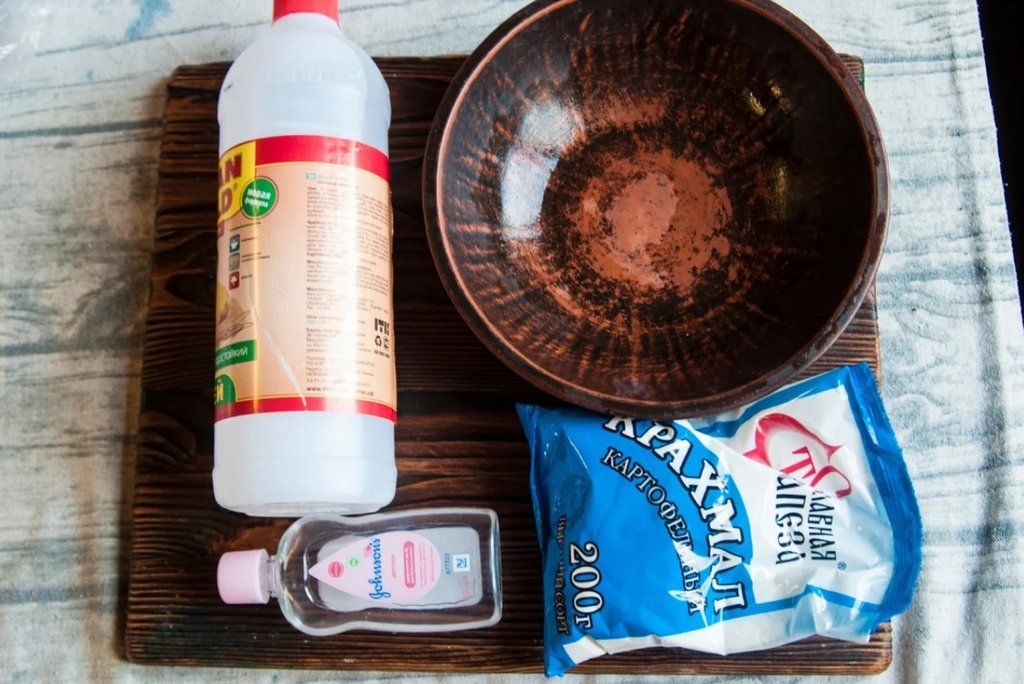
This master class shows how to make air-dry modeling clay as an alternative to polymer clay. The mixture uses starch, Titan glue, and baby oil. Add glue to a mound of starch: about 2 tablespoons of glue per 100 g of starch. The proportions are approximate, so add more starch until the mixture becomes a firm dough that pulls away from your hands. Add 2–3 teaspoons of baby oil to the nearly finished mixture and knead again; the oil makes the clay softer, more flexible, and easier to use for small details. Uncolored clay stays slightly translucent when rolled thin, so add white pigment or colored paints for a denser color. Thin pieces harden in about 30 minutes, while larger figures need at least a day to dry. After drying, the pieces are not brittle and keep a useful amount of flexibility.
Transform your old office skirts into stylish everyday pieces! Discover five creative ways to upcycle a classic black skirt with lace, embroidery, beads, and more.
Inspired by nostalgic memories, I'm planning to weave a rustic denim rug from old jeans. Join me as I explore the process of cutting strips, preparing the warp, and hunting for a loom.
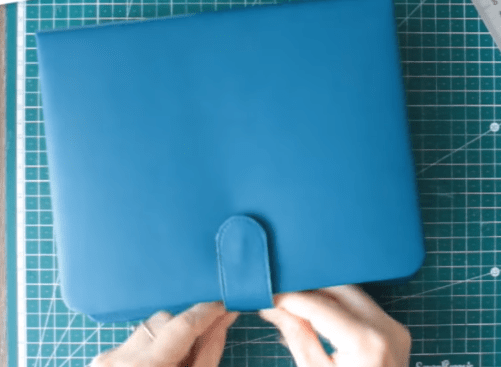
The author makes a ring-binder notebook from scratch: cuts the parts from heavy cardboard, optionally adds synthetic batting, covers the blank with faux leather and fabric, assembles a closure, and glues in the ring binder mechanism. The full dimensions on the diagram are not explained in the text.
This master class shows how to make nuno felt by wet-felting wool onto tulle mesh. You need bubble wrap, felting wool, tulle mesh, natural soap, and a spray bottle. Lay the tulle and wool fibers on the bubble wrap in a loose arrangement, then crumple the mesh into folds to create organic curves: some wool sits inside the mesh and some on top of it. If the tulle is not enough, add more pieces and continue building folds vertically. Once the base area is set, cover the folds with a thin continuous layer of wool, leaving 4–5 cm free around the edges. Spray the piece with warm water, cover it with a second piece of bubble wrap with bubbles facing inward, and massage with soapy water. Knead and roll until the wool firmly felts into the tulle. After rinsing and drying, the material shrinks by at least 33–35%. The bouclé folds can be left as they are, or you can gently pull the mesh in selected areas for more volume and texture.
This tutorial shows how to build a vase form from a balloon and a plastic bottle, strengthen it with glued paper layers, wrap it with jute, and decorate it with burlap flowers and beads.