Why Threads Loop and How to Fix This Problem
Hello! We have quite a few newcomers on the forum, welcome! I think there are plenty of beginners here as well. I want to share a problem familiar to all sewists – thread looping (top and bottom). This can happen not only with a new sewing machine but also with one that has served you faithfully for years and has only now started acting up. Today, I will try to explain in detail why this happens and how to fix this stitch defect. We will also determine when you can fix thread looping yourself and when, unfortunately, you cannot do without the help of a specialist.
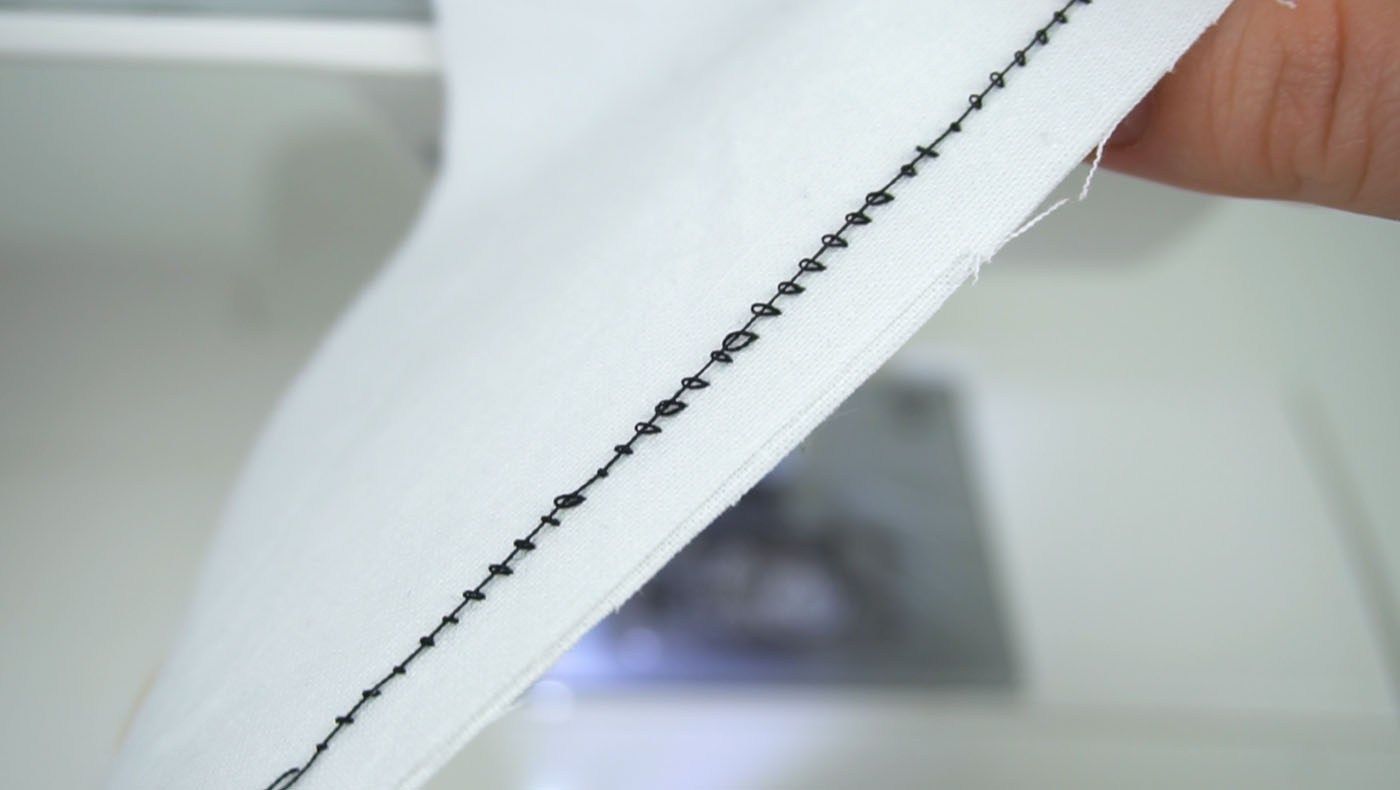
## Bottom Thread Looping
If loops form on the right side (top) of the fabric, the bottom thread is looping. Let's look at the reasons below.
First, the cause may be uneven winding of the bobbin thread. This most often happens when you wind it by hand instead of using the special device on the sewing machine. Uneven winding = uneven unwinding = bottom thread looping.
Second, loose bottom thread tension leads to looping. This can happen if you haven't adjusted the tension plate on the bobbin case and the machine needs a hook adjustment. When changing the thickness and/or quality of the thread (e.g., cotton vs. polyester), you should also adjust the bobbin case. This is not difficult: hold the bobbin case with the bobbin inside, grasp the thread with your fingers, and while holding it, let the bobbin case hang. Ideally, the thread should not unwind, or only slightly (about 10-15 cm) if you give it a little shake.
Third, the bottom thread can also loop due to excessive top thread tension. All modern sewing machines are equipped with a top thread tension regulator. It is used when changing fabric thickness, thread thickness, or quality. The numbers on the regulator indicate the tension strength. Try loosening it by 1-2 units and test the stitch on a scrap of the fabric you are using for your project.
Fourth, poor quality of the bobbin itself. When you cannot find the reason for loops in the stitch, carefully inspect the bobbin for nicks or irregularities. Try replacing it (even if it looks fine!) before taking the sewing machine to a service center.
## Top Thread Looping
If loops form on the wrong side (bottom) of the fabric, the top thread is looping. Let's look at the reasons below.
First, the cause may be loose top thread tension. Use the top thread tension regulator to tighten it. I also recommend checking if the needle size matches the thread.
Second, a clogged regulator can lead to looping. This usually happens with machines that have been in use for several years. Check if dust, fabric lint, thread, and other debris have accumulated between the regulator discs. Contamination prevents the top thread from being clamped correctly, which causes looping. Clean the hook mechanism with a stiff brush and regularly keep it clean.
Third, the top thread may loop due to excessive bottom thread tension. Loosen the bottom thread tension and test the stitch on a scrap of fabric.
Fourth, the culprit may be wear on the bobbin case tension spring. The thread catches on roughness and nicks. Repairing or adjusting the case is useless; it is much easier and cheaper to replace the part.
Fifth, a faulty needle threader can lead to looping. Trace the thread path – it might be catching on a burr on the needle threader. The defect can be sanded down or the threader replaced, but this will require the help of a specialist.


Thank you