Features of natural plant-based fibers.
Natural fibers possess incredible properties. Our ancestors believed that fabrics of plant and animal origin held an energy charge, and therefore, each fiber was used under specific conditions. You can read about the properties of animal-based fabrics in the article "Natural animal-based yarn, or why do I choose it?" ## Cotton Cotton fabric is pleasant to the touch and comfortable to wear; like silk, it absorbs moisture excellently (up to 65%), which is why it is recommended for people who sweat heavily. Natural cotton can only be dyed in light tones (any color you choose will be light; it is impossible to achieve a dark shade). If you see bright cotton items, know that the fibers are mercerized. The appearance improves after this procedure, and the finished product becomes more durable, but there are also downsides:
- high probability of shrinkage after washing;
- low elasticity.
Cotton clothing was always worn during physical labor or rest, but never during mental work, as it was believed that this fiber was created for psycho-emotional relief.


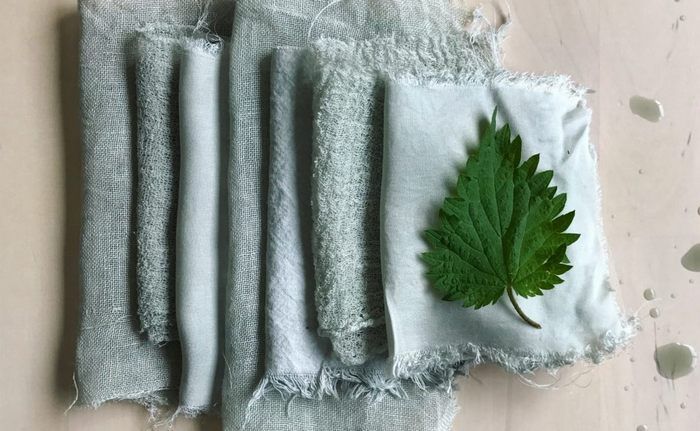
## Ramie (Nettle) The nettle we are used to is dioecious; it stings, but after processing, we get the most delicate, bright green fibers. Ramie is a white nettle that grows in Southern Europe, Asia, China, and Japan. Unlike the one that grows here, it does not sting, and the threads are white, thin, and shiny, very similar to silk. Its main feature is durability. Nettle threads have a strength 6 times higher than that of cotton or linen. The fabric does not mold even in a humid room.
Our ancestors believed that clothing made from nettle helped with rheumatic pain, radiculitis, and migraines, which is why it was used to make knee-highs, belts, and headbands.