
Types of Wool: Fibre Labels, Properties and Care
My work involves fabrics, yarn, threads, and sewing notions, so I would like to share a few practical points that can help when choosing yarn or fabric.
As colder weather arrives, let us look at wool and angora fibres.
Wool
Wool textiles and related animal-fibre blends may contain fibre from sheep, goats, llamas, alpacas, or angora rabbits; the product label identifies the specific fibre. Fibre fineness, length, processing, and fabric construction all affect how a material feels and performs.
Common wool fibres and blends
- Mohair is a goat fibre known for lustre and a characteristic halo.
- Alpaca is an alpaca fibre valued for its soft feel and warmth.
- Cashmere is a fine goat fibre often used for soft yarns and fabrics.
- Vicuña is a rare, fine animal fibre.
- Wool blends combine wool with one or more other fibres; the proportion varies by product.
The percentage of wool alone does not predict pilling or wear. Fibre quality, yarn twist, fabric construction, finishing, and care all matter, so compare the composition and the intended use of the item.
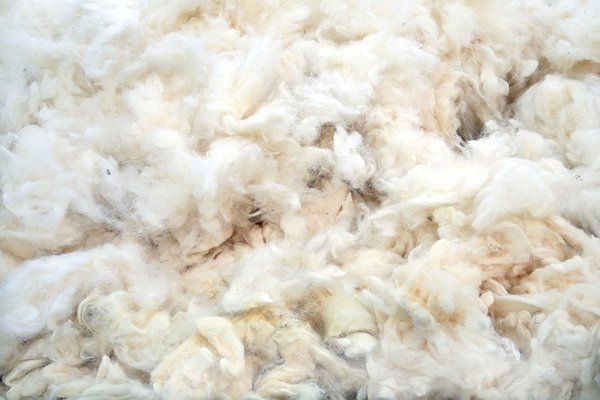
Reading wool labels
Read the fibre-content label and care label rather than relying on a single word or a marketing phrase.
- Wolle is simply the German word for wool; by itself it does not indicate quality or whether a fibre is recycled.
- Phrases such as natural wool are not a universal composition standard. Check the full fibre-content label for percentages and other fibres.
- Reine Schurwolle is a German term for pure new wool. It is still worth checking the product label and any certification information for the particular item.
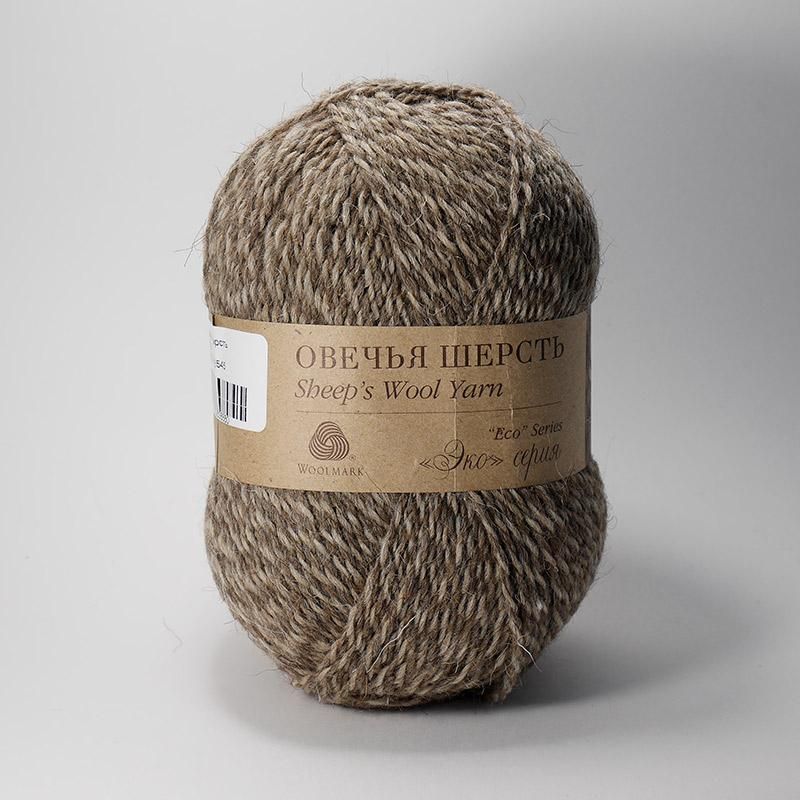
Uses and properties
Wool and wool blends are used for suits, dresses, sweaters, coats, jackets, trousers, scarves, hats, rugs, and blankets. Many wool fabrics resist creasing and can feel warm while handling moisture, but those qualities vary with the fibre, weave or knit, finish, and blend.
Care
Follow the care label on the individual item. Some wool is machine washable, but use a washing machine only when the label permits it. Otherwise, wash gently in cool water with a suitable detergent, avoid rubbing or wringing, and dry as the label directs—often flat and away from strong heat or direct sun.
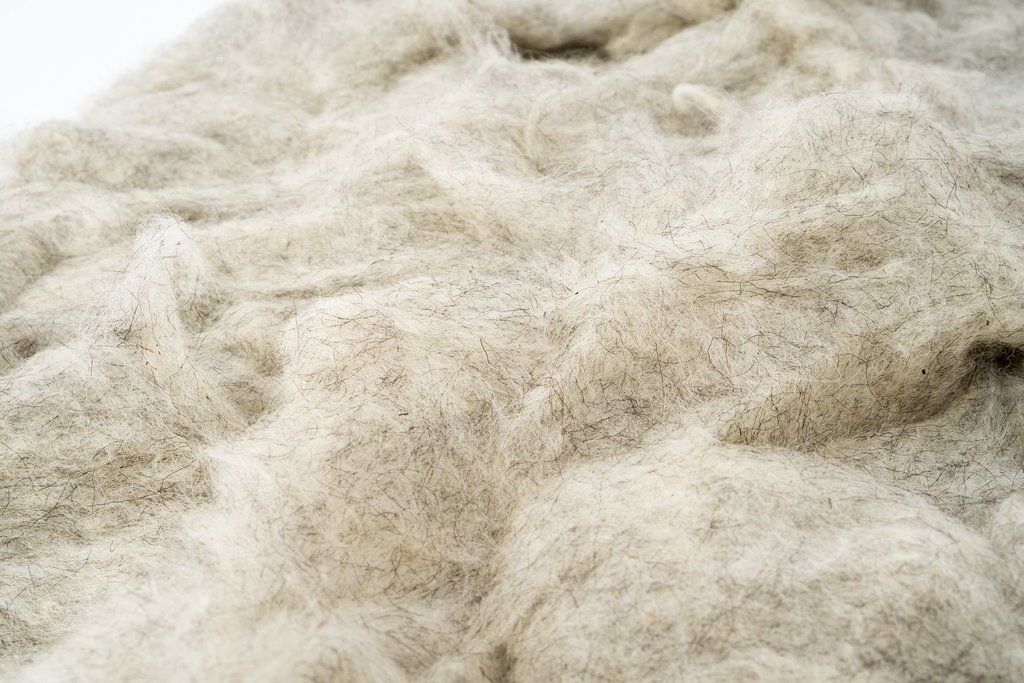
For more about angora, read Angora Wool and Its Features.


This is one of those times when you have been knitting for years and still learn a lot from an article. Thank you for sharing!
I mainly knit winter socks and scarves, and I also have a couple of blankets. I almost always choose yarn that is 50% wool and 50% a soft synthetic fibre. These items are warm, hold their shape well, and do not cost as much as cashmere, which can pill and wear through easily.