
5 Yarn Types for Beginners: What to Check First
For a new knitter, it is more useful to choose yarn from its label, a swatch, and the planned project than from a promise of an ideal result. A thicker yarn can make stitches more visible and a project quicker, but it does not replace suitable tools, gauge, and a test swatch.
Wool yarn
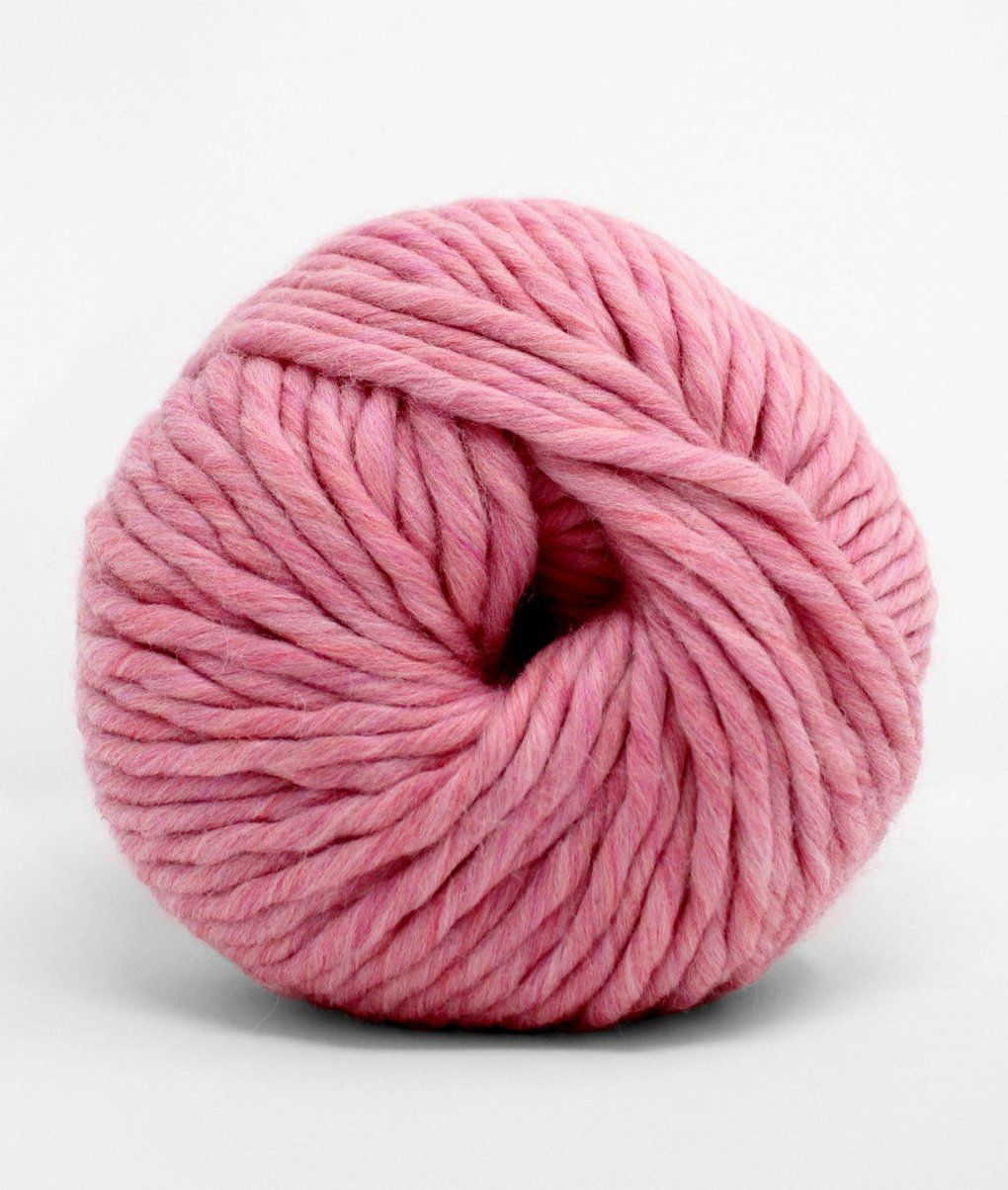
The photo shows thick wool yarn. The phrase Peruvian wool does not automatically establish fibre content, softness, or durability: check the fibre composition, length, and care guidance. Wool can feel prickly or trigger a reaction in sensitive people, so do not call it hypoallergenic without manufacturer support.
Tape yarn
Tape yarn is a flat strip of textile material, not necessarily several strands joined together. It can suit some bags, rugs, and home décor, while twisting, stretch, and fabric behaviour depend on the particular composition.

Cotton cord
Cotton cord is used for baskets, bags, rugs, and other dense projects. It may hold its shape well, but that depends on diameter, core, gauge, and load; follow the care label.

T-shirt yarn
T-shirt yarn is usually made from strips of knit fabric rolled into a ball. It is used for home accessories and interior pieces; for a child's item, also check seam strength and make sure no small parts can detach.

Bulky yarn
Bulky yarn may be wool, a blend, or synthetic; its fibre content cannot be known from appearance alone. For hand knitting or oversized needles and hooks, make a swatch first and see how the item tolerates wear and care.


I started with a thin cotton cord that my mother calls belting. It made lovely summer tops and openwork blouses, but they stretched terribly; it was disappointing.