
Natural animal-derived yarn, or why do I choose it?
How often do you think about the properties of the clothes you wear every day? For example, when I put on the wool scarf my grandmother knitted for me, I'm sure I won't catch a cold) And knowing that a blouse is made of natural linen, I feel light and enjoy it. If clothing is comfortable, pleasant against the skin, and looks beautiful, we feel more confident — you could even say on top!
## Types of natural fibers
- *Animal-derived yarn *- silk and wool (sheep, llamas, camels, Angora rabbits, alpacas and others);
- Plant-derived yarn - linen, cotton, ramie, hemp and others.
## Features Every person has intuition, and the first thought or feeling we get upon first touch is usually right. You should trust your sensations. When I wondered why natural fibers are so special, I learned that they carry a charge of energy (as silly as that may sound), and their properties are simply incredible!
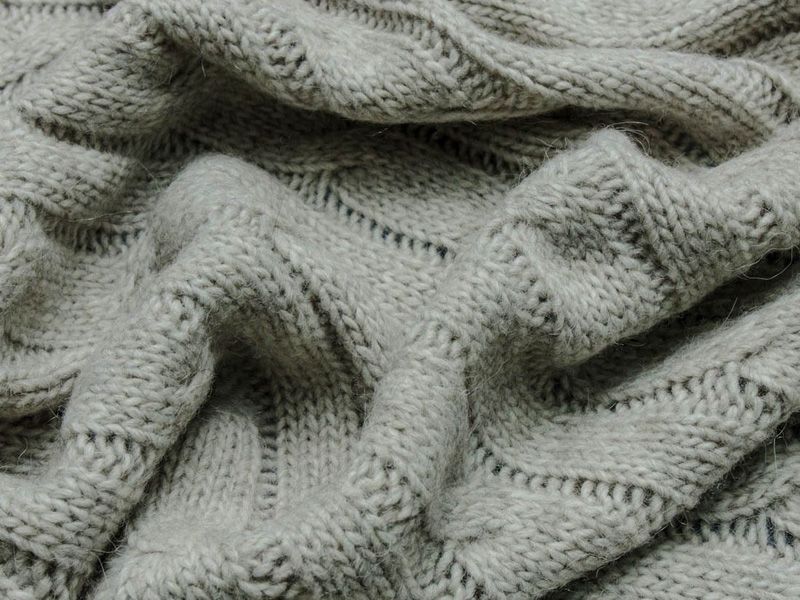
***Wool* ** Clothing made of wool is very soft and warm, hardly wrinkles (and if it wrinkles a little, it smooths out on its own in a slightly humid room). Its special properties are therapeutic. Wool garments warm the body, which positively affects the liver, kidneys, respiratory tract and helps combat fatigue.

## Silk Silk clothing sits pleasantly against the body and can be worn in any weather: in heat it provides coolness, and in cold it warms. The main feature is that silk absorbs half its own weight in moisture while still feeling completely dry to the touch. Silk clothing is a lifesaver for people who sweat heavily, because another advantage of this yarn is that it keeps the skin dry throughout the day (even if you exercise). In the past, silk was used to make underwear worn on bare skin, including pajamas. In silk clothing the body breathes and rests; it is also believed that silk wristbands help reduce joint pain.


