
Sherstepon Insulation: An Archive Overview
This archive note discusses nonwoven insulation materials sold under names such as sherstepon, sherstipon, sherstin, or sherstikron. The names do not identify one standard material: composition, construction, and performance must be checked against the label and technical information for the specific product.
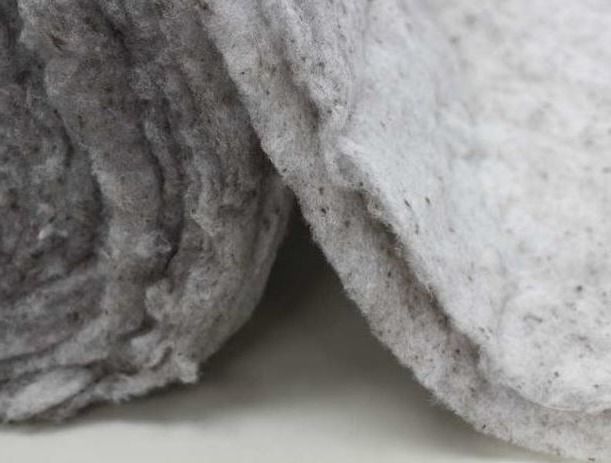
Composition Varies by Product
These nonwoven materials commonly combine polyester fibres with wool. Depending on the product, the wool may be sheep, goat, or camel wool, and both wool content and fabric weight can differ substantially. Older descriptions cite ranges such as 20–80% wool and 60–600 g/m²; treat those as examples, not universal specifications.
Do Not Treat General Claims as Guarantees
Manufacturers may describe warmth, moisture handling, or flexibility, but those properties depend on the exact material, its weight, the garment construction, and the conditions of use. A product cannot be assumed not to mat, to suit people with allergies, or to provide a particular level of protection from cold.
Bonding quality and wool preparation can also affect durability. For an item intended for a child, sleep, sport, or outdoor use, determine suitability and care from the finished product's label and the manufacturer's guidance.
Uses and Care
A sherstepon-type material may be used as an insulating layer in clothing, hats, outdoor gear, quilts, bedspreads, or pillows when the specific product is intended for that use.
Follow the care label on the finished item or the insulation manufacturer's instructions. Do not transfer washing, drying, or ironing advice from one product to another without confirmation on its label.


Years ago, I sewed faux-fur coats for myself and my older daughter, so insulation was a real concern: those garments let the wind through very easily. Sherstepon looks lightweight, so it might be worth considering for children's items, but it is not sold where I live. I will have to look in online shops and check the product information.