Bamboo Fabric: Types, Features and Care
Last year I found a classic women's shirt on sale at the American Old Navy website, labelled 100% bamboo. At the time, I had not realised bamboo-derived materials were used for more than dishcloths. 🙂 Since then, I have sewn a dress and skirt from a similar fabric and have been pleased with them. Here is a closer look at the material—and why the exact fibre label matters.
Bamboo-derived textiles can have different fibre contents and manufacturing processes. Labels commonly refer to:
- bamboo viscose: regenerated cellulosic fibre made from bamboo pulp, sometimes marketed as bamboo silk;
- bamboo linen or other fabrics marketed as mechanically processed bamboo fibre.
Bamboo viscose is made by chemically processing bamboo into cellulose pulp and then forming fibres. The precise composition and process vary by manufacturer, so check the label on the specific fabric.


Some fabrics sold as bamboo linen are described as mechanically processed after the fibre is softened. A name alone is not enough to judge environmental impact: compare the fibre content, manufacturing information and the specific brand's documentation.


What the label does—and does not—tell you
The term bamboo fabric does not mean that an item is made from unprocessed natural fibre. Viscose is regenerated cellulosic fibre, and the fabric may also contain other fibres.
Absorbency, breathability, strength and the sensation of coolness depend on the fibre mix, weight, weave and finish. A light viscose fabric may feel cool against the skin, but that is not a universal property of every bamboo-labelled textile.
UV protection cannot be inferred from the fibre name either: fabric weight, colour, garment construction and fit all matter. Do not assume bamboo fabric is automatically antibacterial, antifungal or hypoallergenic. If you have sensitive skin, rely on your own experience and medical advice where appropriate.
Care and sewing
Follow the care label for the particular fabric or garment. There is no universal washing temperature, spin speed or ironing setting: these depend on the fibre content, finish and any blended fibres.
Before sewing, wash or pre-shrink a small sample according to the manufacturer's instructions to see how the fabric changes. This is the safest way to plan for possible shrinkage.
Bamboo-derived fabrics and blends are used for socks, underwear, loungewear, dresses, jackets, scarves and wraps. Towels, bath accessories and bedding are also sold under bamboo labels; their performance and care requirements come from the specific label.
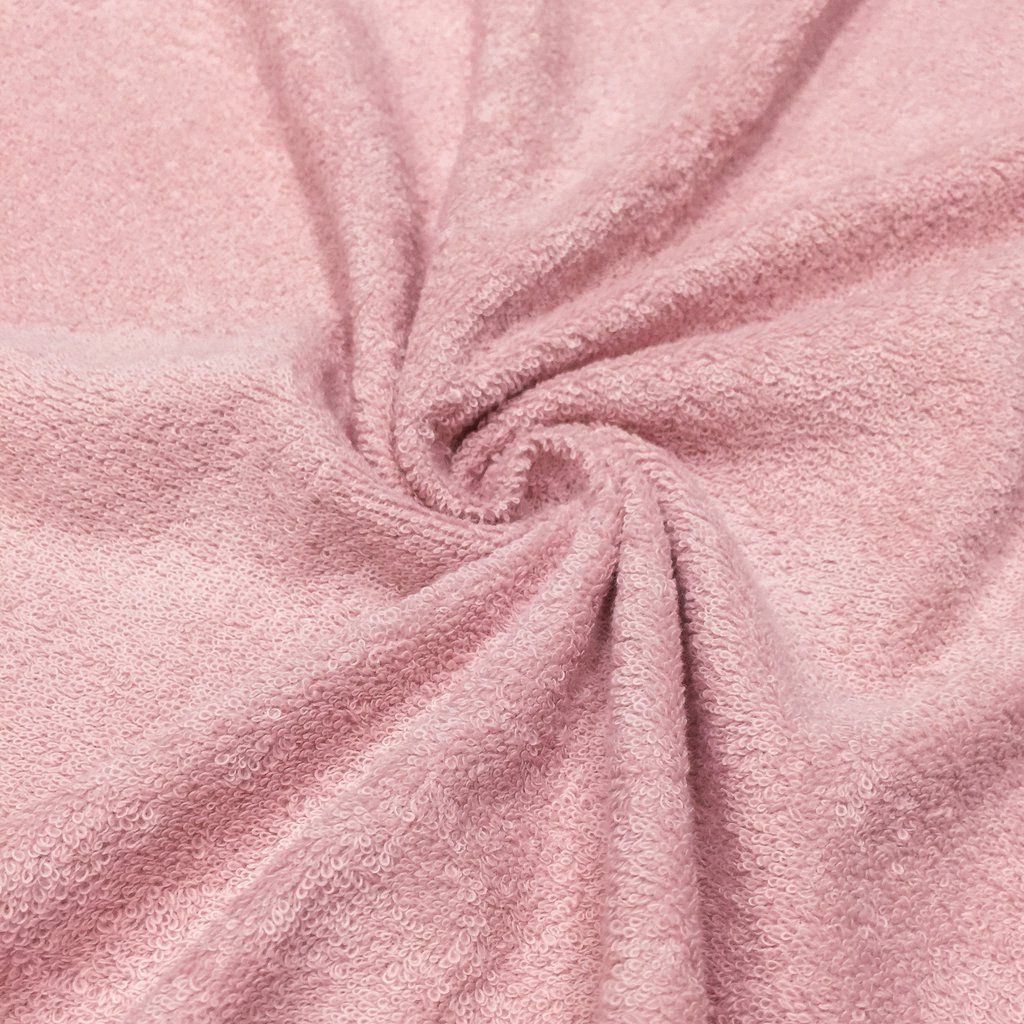
Have you used bamboo-labelled fabrics?
Tell us which fabric composition you tried and how it performed after washing and wearing.


We once stayed at a guest hotel where the owners were obsessed with the quality of their bedding, towels and bathrobes 🙃 It was the only time I slept on bamboo sheets 🥰 They felt pleasantly cool and silk-like without being slippery. Unfortunately, a bedding set is very expensive here — around 5,000 UAH was too much for me.