
How to make a new coat in a few hours or a review of DYLON dye
While sorting through the closet, I remembered my husband's long-forgotten coat. It had been sitting there for a long time, and I didn't know how to give it a new life. Over time, the fabric had worn out and lost its original color. My husband wanted to throw it away, but I convinced him to let me try dyeing it first, promising that if it didn't work out, I'd toss it. I had tried dyeing clothes a few times before, but the results were, to put it mildly, mediocre.
I stumbled upon DYLON fabric dye. You'll understand why I liked this dye a bit later, but for now, I'm showing you the result for your judgment—did the dye do the job or not?😉
I'll jump ahead and show you what the coat looked like before dyeing.


To dye the coat, I needed:
- DYLON machine dye;
- 0.5 kg of table salt;
- an automatic washing machine.

I was a bit cautious, so I decided to detach the lining with the faux fur before dyeing.

Now, following the instructions strictly. I poured the dye and salt into the washing machine drum.

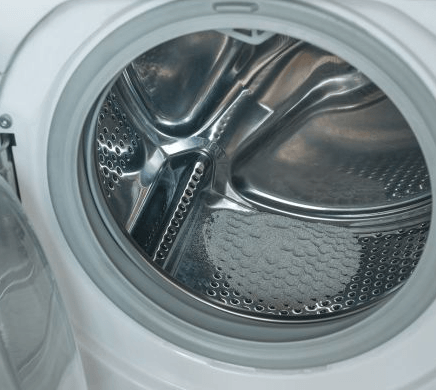

Here, the question arose: what would happen to other clothes washed in the machine after the coat? The manufacturer claims that the next wash cycle won't stain other items. Well, let's trust that; I'll run the next load with a scrap of fabric I don't mind ruining, just in case, to clear any remaining dye from the drum.
I put the coat in the drum. I set the wash cycle to cotton at 40°C. Let's go.

Opening the drum after the wash, I couldn't believe it. Here it is, already dried.


P.S. After dyeing, I threw an old white-and-yellow sheet into the washer. Here is the result) Do you think it's worth using this in the future if the need arises?

Safety note: follow the dye manufacturer’s instructions, protect your hands and work surface, and test dye on a hidden area or scrap if the garment is valuable.


The sea-wave color turned out really cool! I know about this paint, but I've used an American analog myself - Rit Dye fabric dye. It comes in powder and liquid form, and the price is about the same as your DYLON.
Salt solution is absolutely necessary: it's an essential condition for the chemical processes to occur. The only thing that surprised me was that your manufacturer recommended a temperature of only 40 degrees :unsure: Usually, paint is fixed with very hot water: the higher the temperature, the more durable the result will be. A threshold of 60 degrees is only allowed for delicate items and those that dye quickly on their own - for example, nylon. Well, that's that. In any case, you need to follow the instructions that come with the specific paint.