
Tent Rainfly Repair: Material and Safety Considerations
Prompt attention to a damaged tent rainfly can help limit further tearing and keep out water and insects. Damage may include fabric tears, ember burns, or split seams.
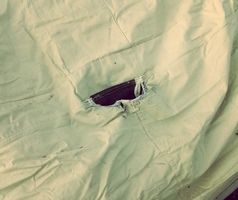
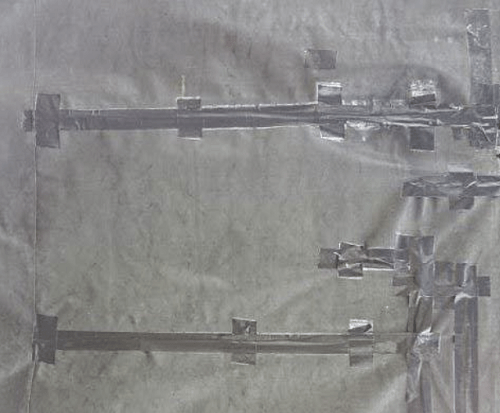
This archival overview distinguishes temporary field protection from a repair that has been checked for the exact rainfly material and coating.
Temporary field protection
For a small tear in the field, a purpose-made tent-repair patch is preferable. If a temporary tape repair is used, align the torn edges without stretching the fabric, apply it only to a clean, dry surface, and treat it as temporary. Do not use a solvent to remove residue unless the tent manufacturer confirms that it is compatible with the fabric and coating.
Before attempting a permanent repair
Identify the rainfly fabric and its waterproof coating from the manufacturer’s label or documentation. Polyurethane-coated and silicone-coated fabrics require different, manufacturer-compatible repair systems; one adhesive or sealant is not interchangeable with the other.
Do not iron a rainfly, use a heat gun, or apply a hot-melt patch unless the tent or repair-product manufacturer specifically permits that method for the exact fabric and coating. Heat can permanently damage thin synthetic fabric, waterproof coatings, tapes, and nearby mesh.
Use a repair patch, adhesive, seam sealer, cure time, and application method specified by the tent or repair-product manufacturer. Work with ventilation and follow all product safety instructions. Test a hidden area when the manufacturer permits testing.
A large burn, damaged structural seam, delaminated coating, or uncertain fabric should be assessed by the tent manufacturer or a qualified outdoor-gear repair service rather than repaired with a generic vinyl patch, household silicone, or an unverified adhesive.
Do not treat any repair as waterproof until it has fully cured according to the chosen product’s instructions and has been inspected and tested in a controlled setting. Keep flame, sparks, and hot equipment away from the rainfly.
For a small ember hole, use only a manufacturer-compatible repair method; do not assume that a drop of silicone will bond to every coated fabric.
Generic dense fabric and waterproofing spray are not reliable substitutes for a compatible repair system. A patch can change stress, waterproofing, and breathability around the damaged area.
For split seams or peeling seam tape, consult the tent manufacturer’s repair guidance. Removing old tape, cleaning a seam, and applying a replacement tape or sealant can require material-specific products and temperature control.
If the fabric is worn, the damage is extensive, or the material and coating cannot be identified, take the tent to a repair workshop.


