
Softened, Suiting, and Shirting Linen: What’s the Difference?
I used to think of linen as either coarse, homespun-style fabric—often all linen—or factory-made linen that was thinner, softer, and often blended. For embroidery, I frequently chose unbleached linen because it creates a beautiful contrast with embroidery floss 😍 But linen fabrics can be described in several other ways too.
Shirting Linen
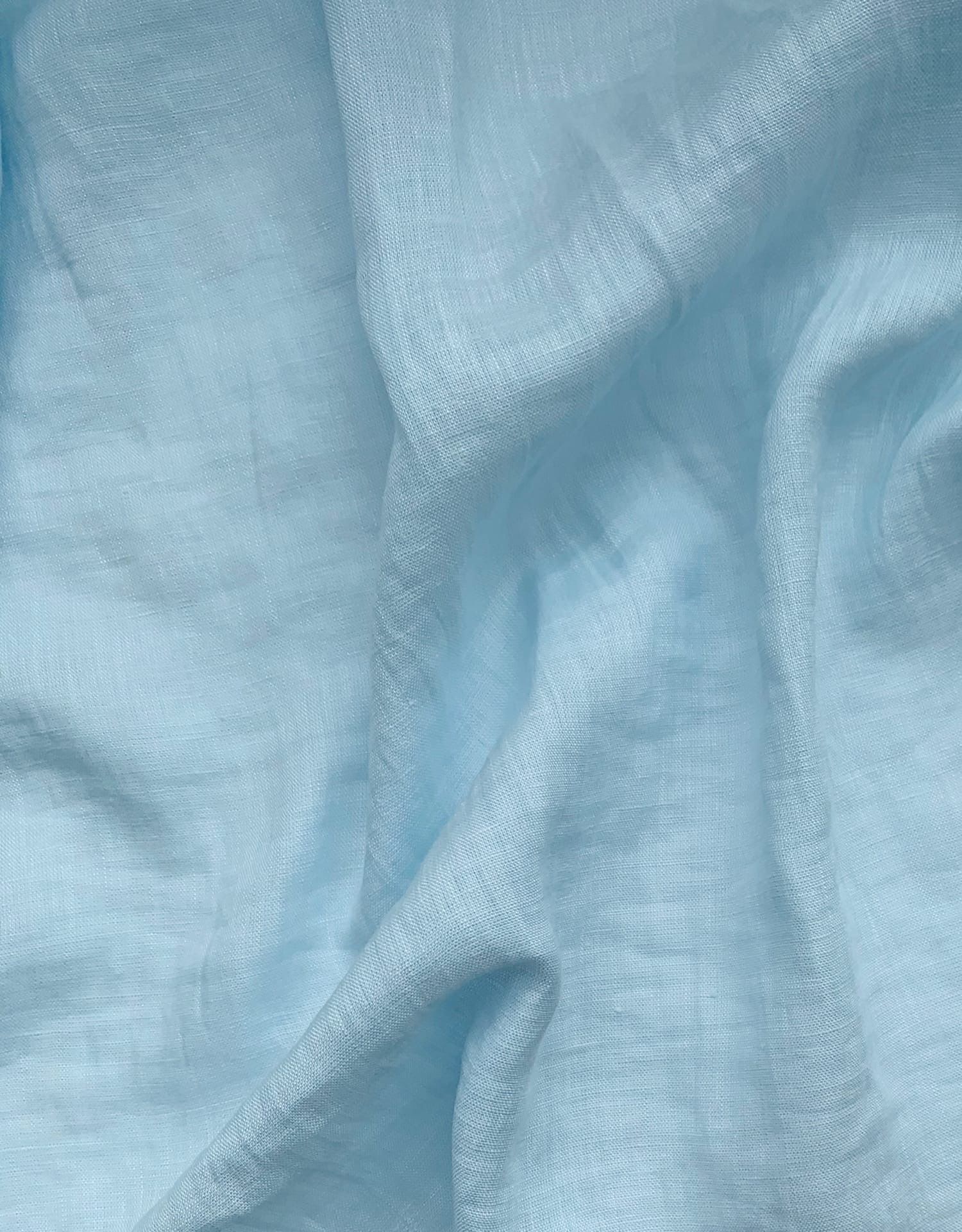
As the name suggests, shirting linen is generally a lighter fabric used for dresses, shirts, summer rompers, and other garments worn next to the skin. Typical product listings may place it around 90–150 g/m², but weight and opacity vary by composition and manufacturer. Pale colors can be sheer, so test the fabric and add a lining when the project needs one.
Suiting Linen
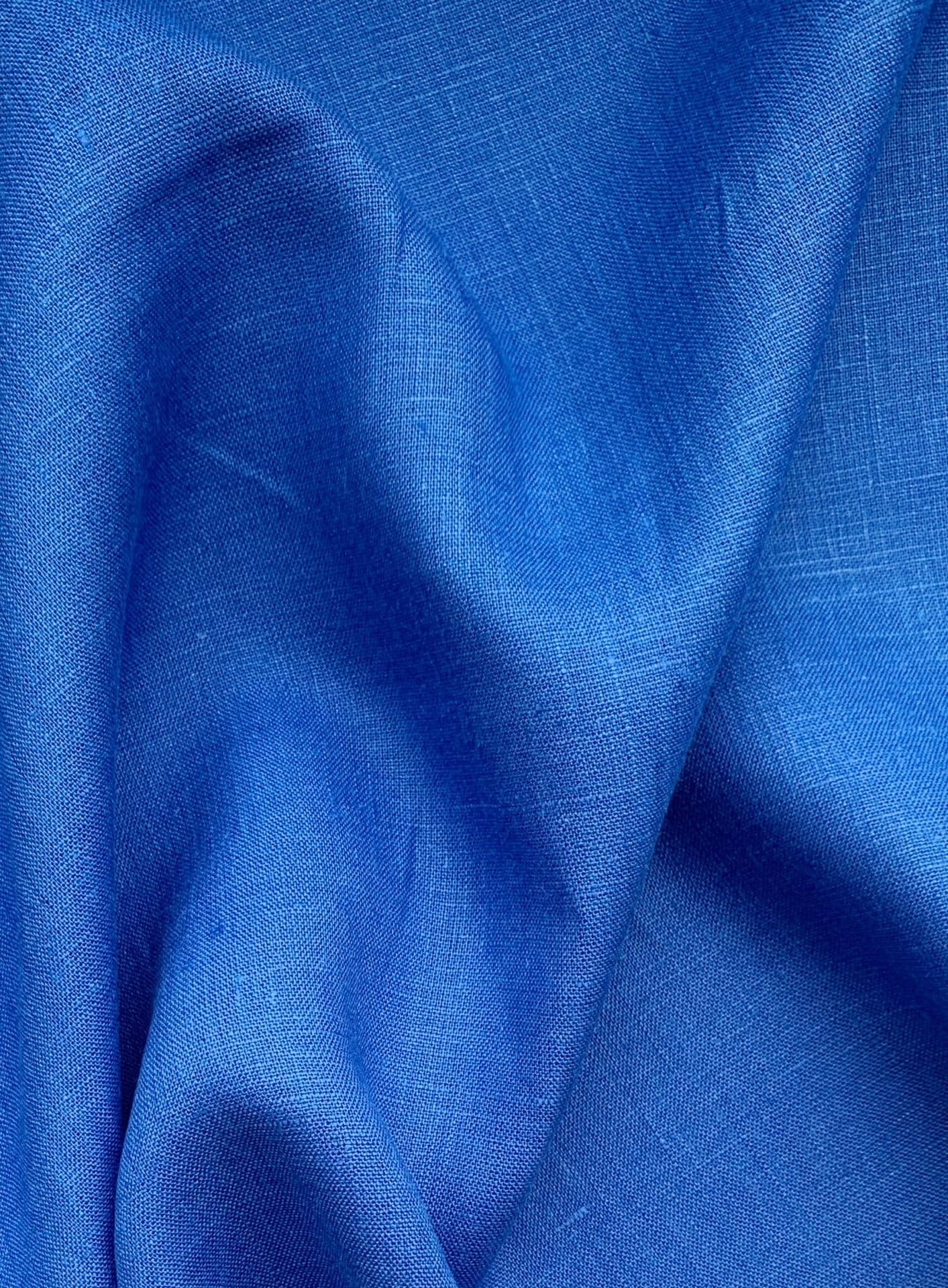
Suiting linens are often sold at weights of roughly 160–350 g/m². Their weave is generally denser, but opacity and lining requirements still depend on the exact fabric. Heavier versions may be used for coats, blazers, and jackets.
Both categories can also be finished in different ways. Two terms you may see are washed linen and softened linen.
Washed Linen
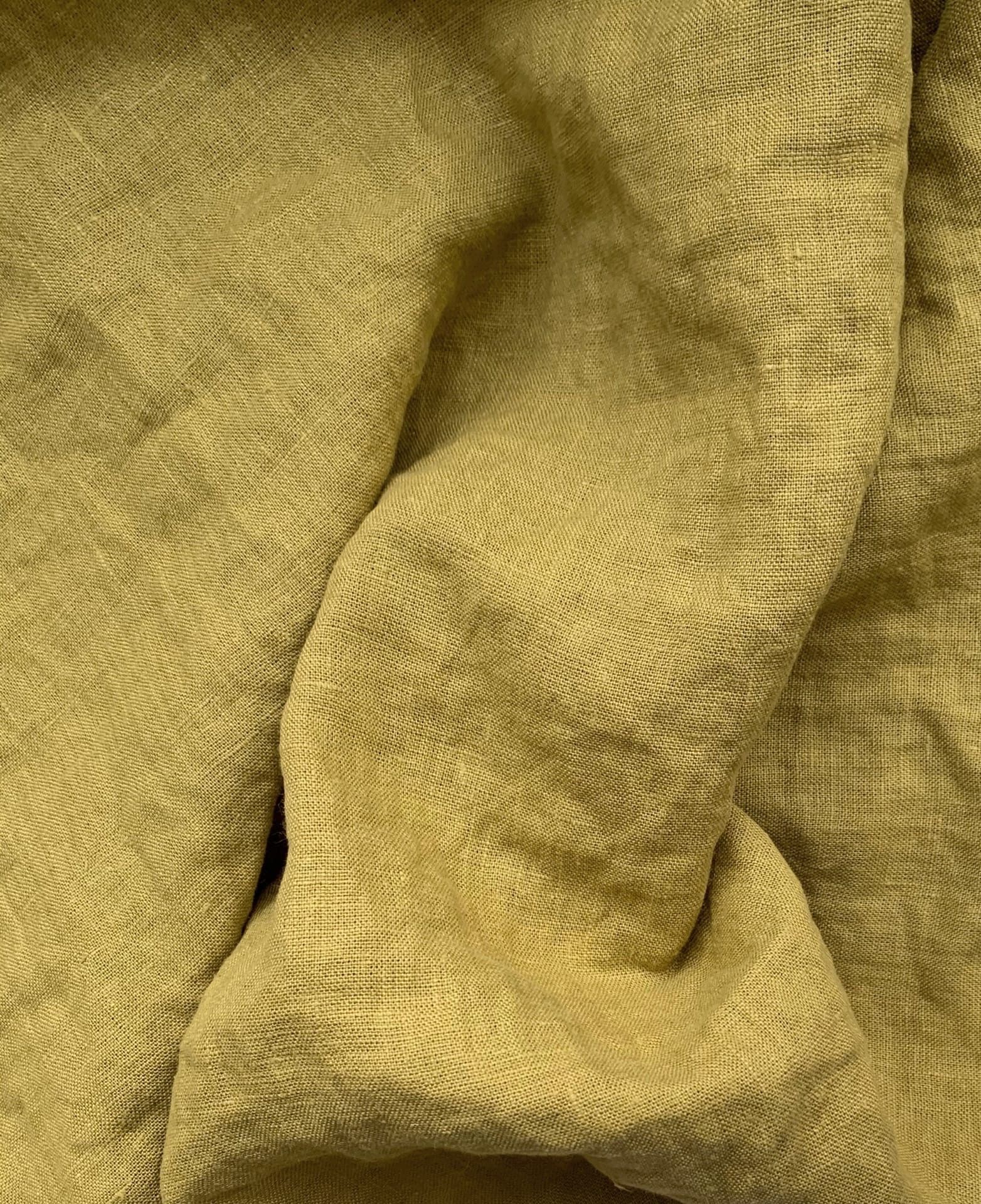
This may also be sold as pre-washed, stonewashed, crinkled, or relaxed linen. Depending on the manufacturer, the finishing process can soften the fabric and create a lightly rumpled surface with a rounded drape. Pre-washing may reduce later shrinkage, but it does not guarantee that none will occur. Check the supplier’s care and shrinkage information, and prewash or test the fabric when appropriate. Common uses include bed and table linens, pajamas, and relaxed clothing.
Softened Linen
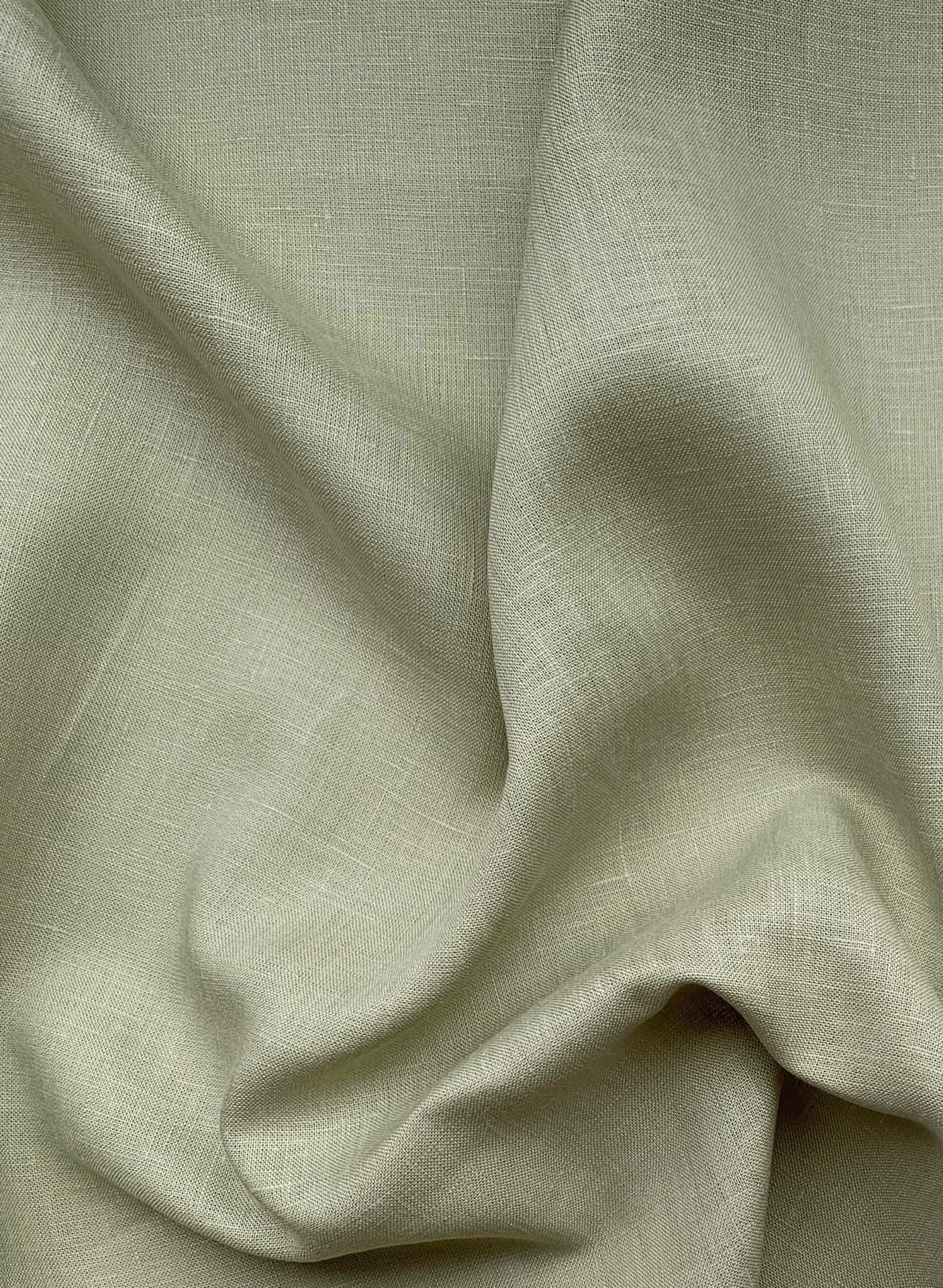
Softened linen is sometimes confused with washed linen, but it may remain crisper and retain more of its woven structure. Softening methods vary by mill and manufacturer and can be mechanical, chemical, enzyme-based, or a combination. A softened fabric may still shrink, so check the product information and prewash or test it before sewing when the project allows.


