
Burlap: Composition, Varieties, and Uses
Durable, wear-resistant, and coarse, burlap is known to many solely as packaging for agricultural goods. Not everyone knows that this material has a 100% natural composition, varying density, and purpose. Genuine burlap is made from the fibers of plants with strong, coarse stems: jute, flax, hemp, kenaf, sisal, etc.
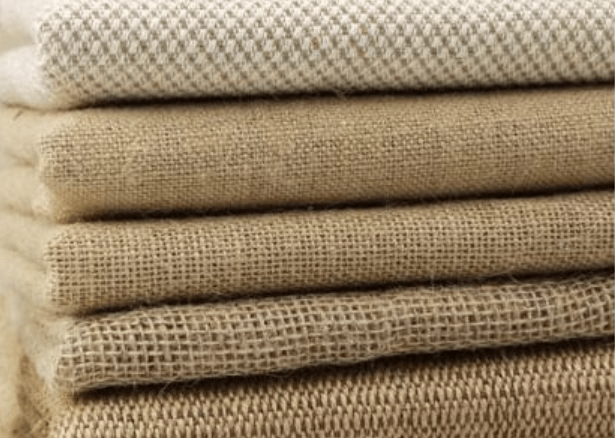
Available varieties include:
Pure linen burlap. Cotton. Matting (jute-linen fiber). Canvas. Blended options.
In addition to these parameters, the material differs in density and stiffness.
Burlap with a density of 165-230 g/m² is considered a "lightweight" fabric.
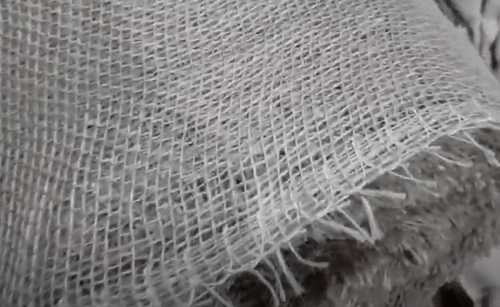
It is used to sew bags and packaging that allow for good air circulation. Furthermore, it is used:
To protect shade-loving plants from sunburn. For seeding on uneven terrain.
The advantage of blended burlap is that it can be reused after washing and drying.
Fabric with a density of 240-300 g/m² is medium in thickness and density.
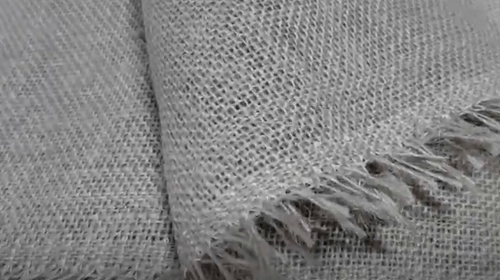
It is often chosen for making charms, interior decorations, curtains for gazebos and terraces, and tablecloths.
The most popular for sewing is burlap with a density of 300 g/m² and above.
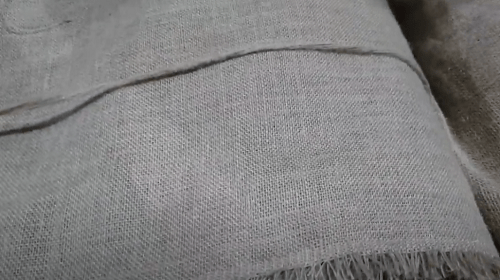
It is used as upholstery fabric (matting), for sewing bags and backpacks, covers, spice pouches, and original packaging. This material is excellent for embroidery. There is also a large selection of decorative burlap, which is in demand in design and for creating handmade items.
Besides its natural composition, burlap has another undeniable advantage. It is eco-friendly, contains no dyes, and comes in several shades of beige, brown, and gray, as well as having different textures. This allows for a wide range of applications for burlap at a low cost – prices for this material remain affordable, and you can create exclusive items from it.


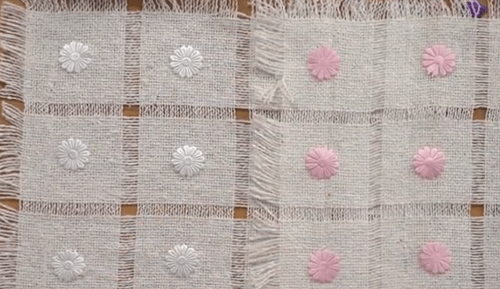


Thanks for the review. Once upon a time, it was new to me to learn about linen burlap too ) And meanwhile, it makes for stunningly beautiful embroidered motifs! I'll post a photo of my work on burlap as an example now