
Working with Calfskin: Key Characteristics
I have worked with leather for a long time, both treating it and making accessories. Here are a few common types.
Calfskin
Calfskin is popular for its balance of price and quality.
Characteristics
- Elasticity
- Light weight
- Softness
- High strength
- Attractive appearance
- Versatility
Calfskin can be used for many kinds of projects, but it is handled differently depending on the animal's age. The thinnest leather mentioned by the source is slunk, made from an unborn calf, at no more than 1.5 mm thick.
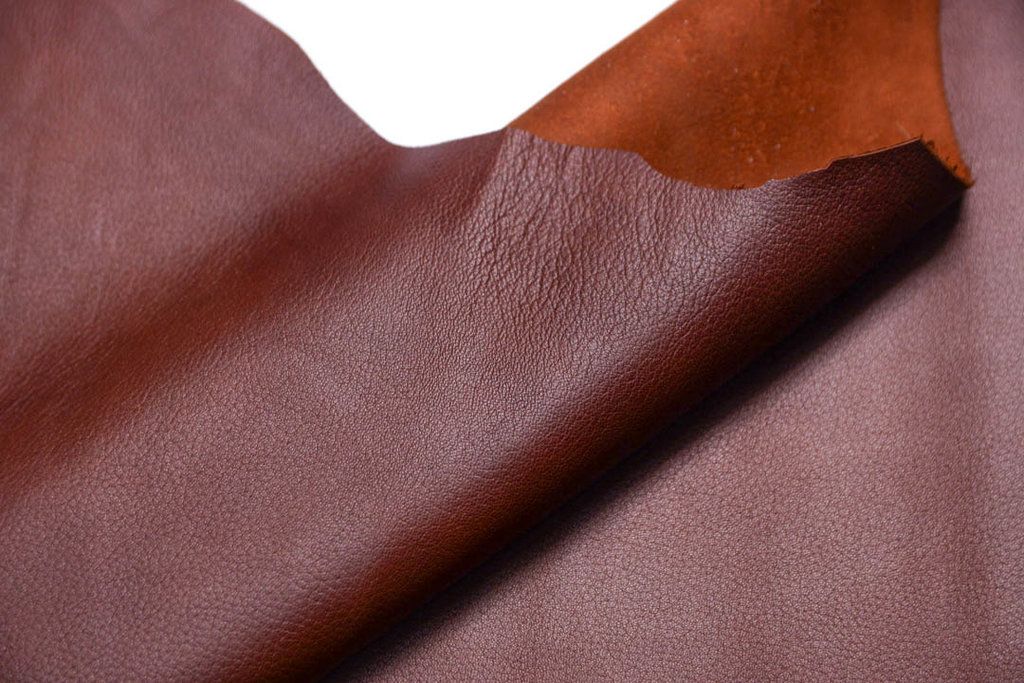
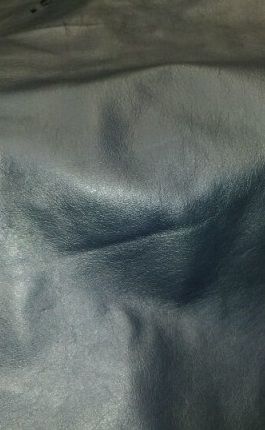
The thickest leather mentioned is bull hide, at more than 5 mm thick.
Working Notes
- For even dampening, use a spray bottle while the leather continues to absorb moisture.
- Apply oil to a design only after the leather has dried completely.
- If dyeing an item, use a soft sponge or medium-pile cloth.
Important: thinner leather absorbs more moisture and shrinks more during water and oil treatment. Allow 0.5–2 mm for this.


Unfortunately, this type of leather absorbs any liquid. Some makers finish their pieces with a protective treatment.
One option is to buy spray dye for nubuck shoes and recolour it. Let the item dry completely; the colour should not rub off.