Batiste Fabric: Types, Properties and Care Guide
Batiste is a name for fine, lightweight plain-weave fabrics. It may be made from cotton or linen, or from blends containing silk, rayon, or synthetic fibres. The fibre content and finish can vary considerably, so check the label or seller's information before sewing or laundering.
Fine yarns and a close plain weave can produce a lightweight, smooth cloth. Its strength, opacity, drape, and other properties, however, depend on the fibre content, weight, finish, and manufacturer.
Batiste may be:
- printed;
- bleached;
- solid-dyed;
- textured;
- embroidered;
- finished with eyelet embroidery.
Batiste properties vary with its fibre content and finish. Base your choice on the details of the particular fabric you are buying.
The photos below show cotton batiste in a plain and a textured finish:
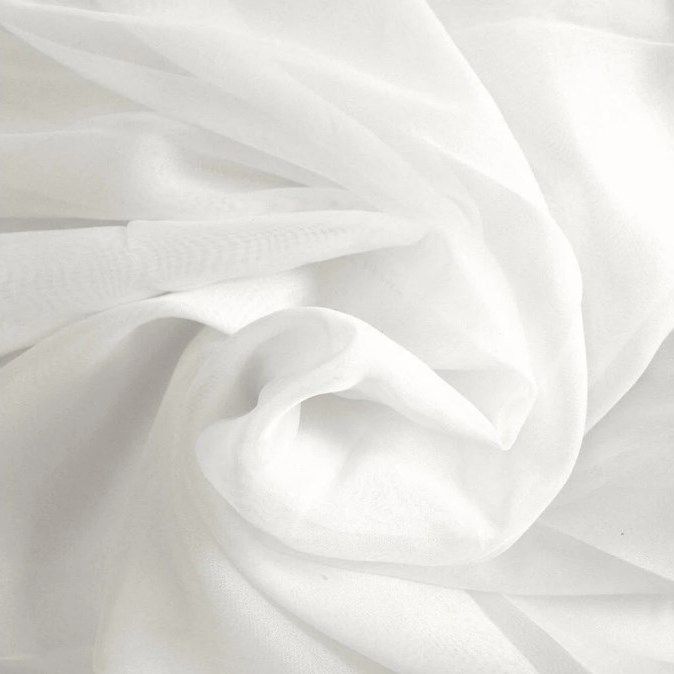
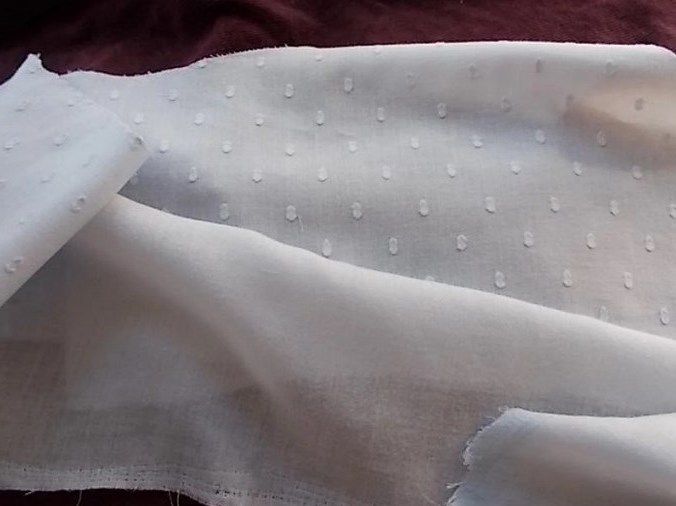
Batiste is usually fine and lightweight, and some versions are semi-sheer. Opacity depends on the fibre content, weight, colour, and finish.
Strength varies too: it cannot be judged from the fabric name or fibre type alone. Where possible, check the weight, fabric quality, and seller's guidance.
Comfort in wear depends on the fibre content and the finished garment. Natural fibres are often chosen for summer clothing and bed linen, but assess breathability, moisture handling, and care from the label for the specific fabric.
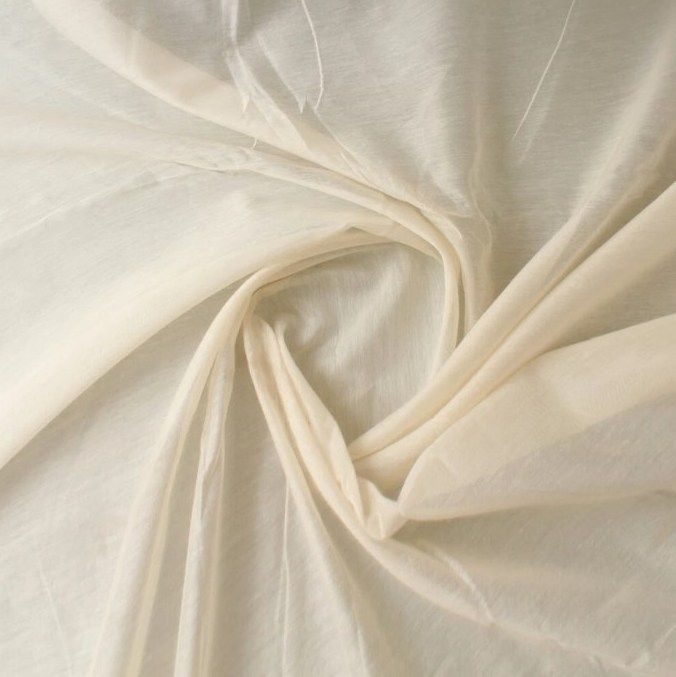
Pictured is cotton batiste blended with silk:
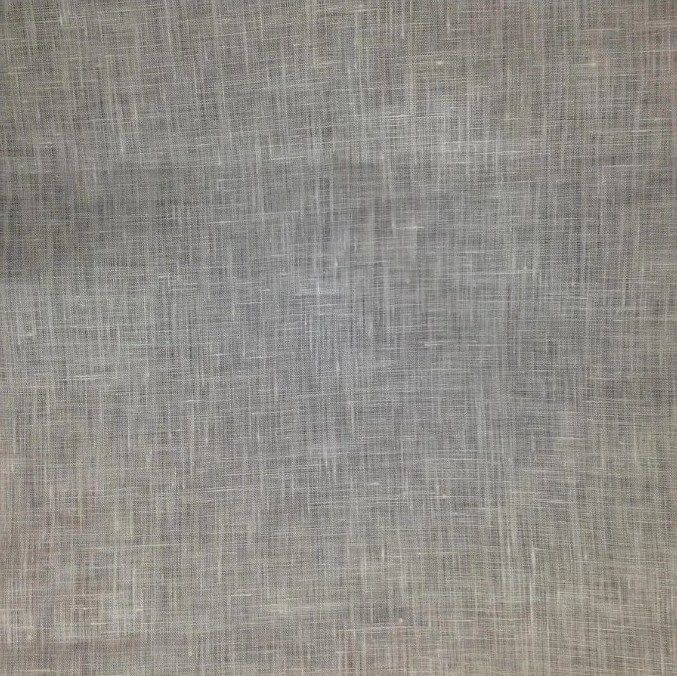
Below is linen batiste:
When sewing or caring for batiste, choose the method for the fibre content and care label of the specific fabric:
- Before cutting, test a small piece. Prewash and dry the fabric only if its care label and the planned care of the finished garment allow it.
- Choose fine, sharp needles, pins, and thread suited to the fabric, then test the stitch on a sample first.
- Wash the finished garment according to its label. A gentle cycle or hand-washing suits many delicate versions, but does not replace the maker's instructions.
- If the label permits spinning, use a gentle setting and do not twist wet fabric.
- Dry and reshape the item as its label directs, taking colour fading and distortion into account.
Choose the iron temperature from the fibre content and care label. Use a pressing cloth and test an inconspicuous area first; steam only when the fabric's care instructions allow it.
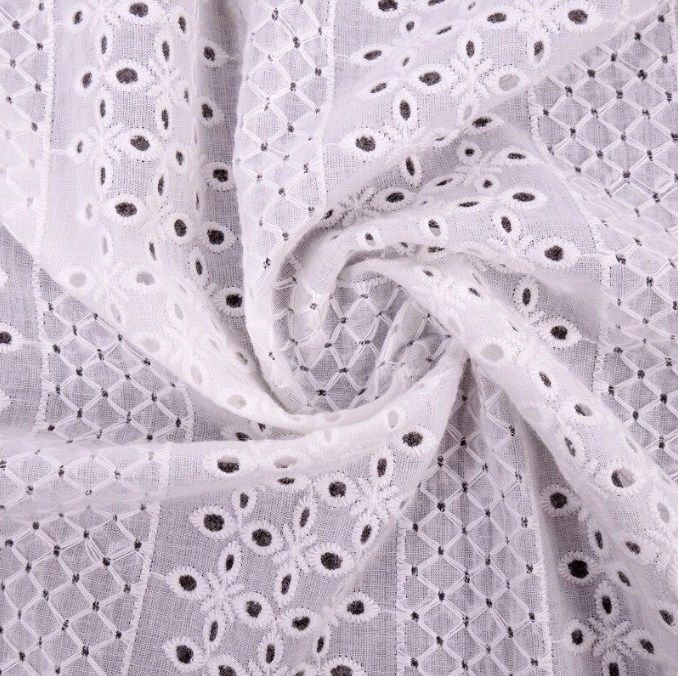
Batiste is often used for:
- blouses;
- dresses;
- tops;
- shirts;
- children's clothing;
- lingerie;
- bed linen;
- home textiles.


I had a good experience with it. It is a lovely fabric, but it is worth choosing good quality. When corners are cut, the dye can bleed, and very cheap fabric can be poorly made. It may not even last a season.