Polyamide Fabrics: Properties, Uses, and Care
Polyamide is a family of synthetic fibres used on their own and in blends. Texture, performance, and care vary with the fibre type, construction, finish, and the individual garment, so broad claims about every polyamide fabric should be treated with caution.
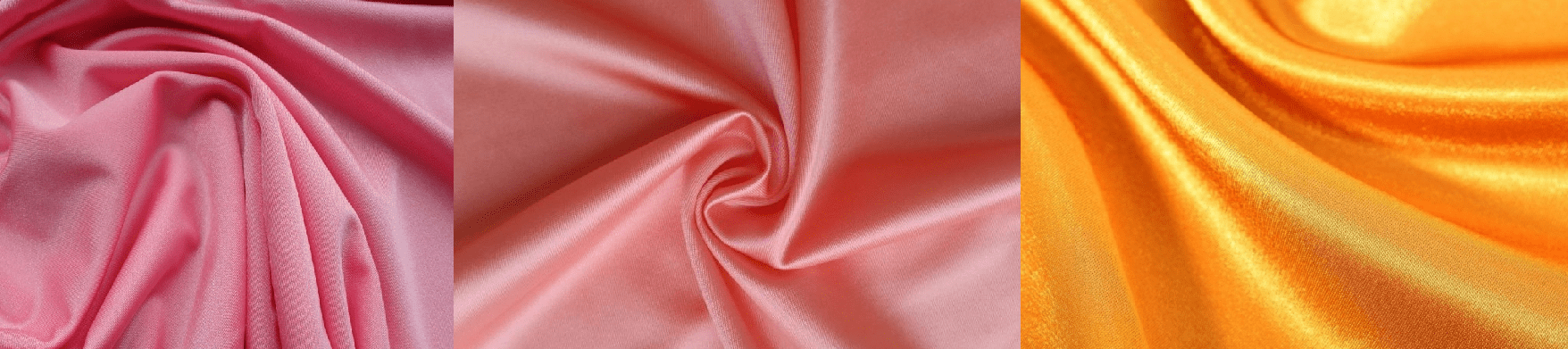
Polyamide yarns are used in clothing, accessories, ropes, fishing line, filters, and technical textiles. The suitability of a particular fabric depends on its specification and intended use.
Possible properties
- strength and abrasion resistance;
- light weight and, in some constructions, elasticity;
- a wide range of colours and surface finishes;
- relatively low water absorption and potentially quick drying;
- good shape retention in some fabrics.
These are material-dependent characteristics, not guarantees. A blend, knit or weave, coating, dye, and garment construction can change how a finished item feels, performs, and wears.
Points to consider
- Some fabrics can build up static electricity.
- Low absorbency may feel less comfortable in warm conditions for some uses.
- Grease stains may need treatment appropriate to the garment label and the stain-removal product.
- Many polyamide fabrics are heat-sensitive and can deform, melt, harden, or become damaged by excessive heat.
Names used for polyamide-based fabrics
Names such as nylon, taslan, wellsoft, Jordan, and filter fabric are used in textile retail and technical contexts. They do not describe one universal set of properties; check the fibre-content label and the supplier's specification for the exact fabric. Elastane is a separate stretch fibre that may be blended with polyamide rather than a type of nylon fabric.
Polyamide-based textiles appear in outerwear, activewear, swimwear, lining fabrics, bags, footwear, lace, and technical products. Choose a fabric by the requirements of the project instead of assuming that every polyamide works the same way.
Care
Follow the care label on the individual item first. Do not treat one wash temperature, cycle, fabric softener rule, or ironing method as universal: finishes and blends can change the result. If ironing is permitted, use the lowest suitable setting and test an inconspicuous area; avoid steam or higher heat unless the label specifically allows it.


Nylon-based fabrics can differ greatly in texture and care. Here is a brief archive overview of six names used in the textile market.
Nylon is one of the best-known polyamide materials. It is used in tights, underwear, tops, and as part of yarns for socks, sweaters, and other knitwear. Depending on the construction and finish, it can be light and quick-drying. Some people may experience skin irritation from a particular textile, dye, or finish; stop wearing the item if irritation occurs and seek appropriate advice if it persists. Wet nylon can stretch or distort, depending on the fabric.
Follow the individual care label rather than treating the archive's 30 °C, no-spin, low-iron suggestion as a universal rule. Heat-sensitive fabrics may need a low setting, a pressing cloth, or no ironing at all.
Taslan is a trade name often used for a textured, durable polyamide fabric in everyday and outdoor clothing. Its exact performance depends on the specification and any coating.
Jordan is a retail name used for smooth, sometimes lustrous fabric in outerwear such as raincoats, jackets, coats, and windbreakers. Water resistance and breathability depend on the specific fabric and finish.
Wellsoft is a soft pile fabric often used for clothing and home textiles such as towels, blankets, and throws. Its warmth, durability, pilling behaviour, and wash performance vary by fibre content and construction.
Elastane is a separate stretch fibre and is commonly blended with other fibres. The amount of stretch and recovery depends on the blend and garment construction.
Filter fabric is used in technical applications. Its chemical resistance and suitability for protective clothing depend on the exact specification; do not rely on a general fabric name where safety equipment is concerned.