Acetate Fabrics: Texture, Types, Uses, and Care
Acetate fabric is an affordable synthetic material characterized by a pleasant, soft sheen and a silky texture. It closely resembles another natural fabric—luxurious and precious silk. This is why it has come to be known as acetate silk.
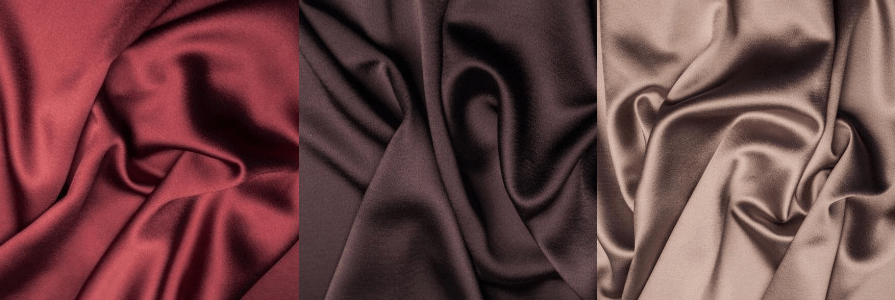
This material was created in England at the very beginning of the 20th century. Fabric made of cellulose and cotton turned out to be thin, shiny, and quite durable. The elasticity of acetate is also impressive: the material is twice as stretchy as another silk alternative—viscose. However, silk and acetate share one unpleasant drawback—these fabrics react poorly to a hot iron, so they require delicate washing and ironing.
Acetate fabric is resistant to mold and other microorganisms. It does not mildew, does not fade, dries instantly, and does not attract moths, unlike natural silk fibers. It drapes beautifully, holds its shape, does not wrinkle, and does not attract dust.
Acetate is a hypoallergenic material, making it suitable for people prone to allergies and dermatitis.
And one more undeniable advantage of acetate fabrics is their very affordable price. 🙂
Acetate silk also has its downsides.
The first is high thermoplasticity. Acetate begins to melt at just 177 degrees, which means it must be ironed at the lowest temperature and using a pressing cloth.
The second is its finicky nature regarding dyes. Acetate is difficult to dye, so special coloring compounds are used for this fabric. Furthermore, sweat stains can easily appear (and remain) on the fabric.
The third is poor resistance to chemicals. Acetate is easily destroyed even by weak alkalis, and acetone destroys it instantly.
The fourth is that the fabric is not hygroscopic. This means it makes the body "steam" in hot weather, as the fibers do not absorb moisture or wick it away.
The fifth is that the fabric generates static electricity.
The sixth is that while the material is strong, it is not resistant to wear and tear.
Acetate fabrics were at the peak of their popularity in the 50s: they were cheap, easy to produce, and looked spectacular. Nowadays, the popularity of artificial silk has dropped slightly, but it is still used in the textile industry. Acetate fibers are used both in their pure form and in blended fabrics (combined with crepe, wool, velvet, or gabardine). Adding acetate fibers makes the fabric more durable, elastic, and resistant to pilling. Blended fabric with acetate shrinks less.
The scope of application for acetate today is huge! It is used for sewing clothing (including outerwear) and lingerie. These fibers are optimal for use as lining fabric. Fabrics with acetate are also used for making umbrellas, raincoats, swimsuits, shower curtains, etc. Sometimes artificial silk fibers are added to fabrics used for sewing bedding, decorative pillows, bedspreads, curtains, and upholstery fabric for furniture.
Let me tell you a little about care. These fabrics are afraid of high temperatures and active friction, so acetate must be washed by hand or in a washing machine on a delicate cycle. The water temperature should be 30 degrees. Do not wring or spin-dry the items! It is recommended to simply hang them up to dry, allowing the water to drain off on its own.
You should iron this fabric at 150 degrees very carefully and always with a pressing cloth.
As you can see, acetate has many advantages, but also quite a few disadvantages. Have you used this fabric? How did it perform in sewing, wearing, and care?


That's a downside of all fabrics with a "silk" structure, unfortunately. You have to be careful with acetate, just like with silk, since wine, sweat, and coffee will be difficult to wash out, especially considering the delicacy of the fabric and its low wear resistance.
That's probably for the best. Even though the bedding looks expensive, à la silk, you are guaranteed to have static hair in the morning. You could, of course, use anti-static sprays, but that's expensive and, to me, pointless - it would be much better to purchase satin instead. True, it's much more expensive, but it's a case of "either...or".