
Knitting needles — what to consider when choosing
Back when I was just learning to knit, I had only one pair of needles — long, wooden ones with a big ball at the end. One day, my dad accidentally sat on my knitting and broke one. I gave up knitting for a long time — you can't knit with a stick, after all. One day, I went to the city with my mom and we stopped by a shop with yarn, thread, and... knitting needles. It was something else... Since then, knitted items have become an essential part of my wardrobe. To the envy of my classmates, and later, my colleagues.
Today, I have a full set of needles for every taste and preference. I want to share a few observations.
Steel needles don't break and don't stain the project, but they are a bit heavy, and they aren't very comfortable to use for large items. For large projects (skirts, sweaters), I choose lightweight alloy needles with a coating.
Wooden or bamboo needles are very light, but they must be perfectly polished so that fibers don't snag on them, as even small rough spots slow down the work, which personally irritates me.
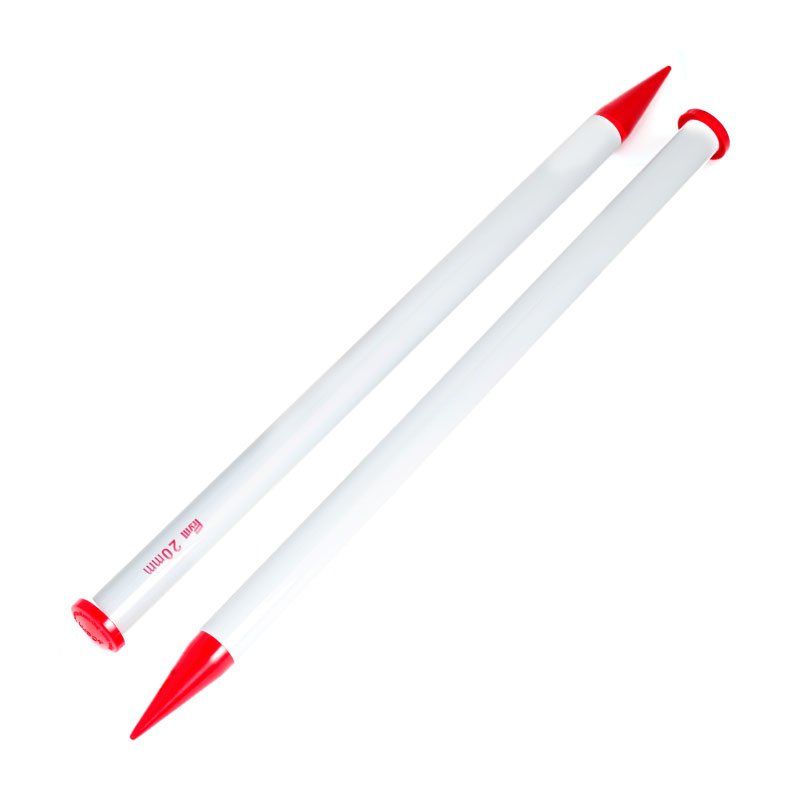
Plastic needles are lightweight and don't stain the yarn. You need to handle them carefully so they don't break. It's better not to use them for heavy yarn — they will bend under the weight of, for example, a long sleeve or a front panel.
I will continue the story about needles in the comments. I would be happy if you showed your "arsenal".


I'll add one more thing. 🙂
By type, needles can be:
Auxiliary needles, however, are easily replaced with a contrasting thread, onto which you can conveniently slip the stitches. 😉