
A Variety of Hand Weaving
In ancient times, hand weaving was a necessity for creating clothing, footwear, bedding, and other items. An incredible fact: the first loom was made 6,000 years BC.
The first fibers used were nettle, flax, cotton, hemp, wool, and others. In the modern world, there are many varieties of hand weaving: *1.* Loom work allows for the creation of pile, smooth, and woven fabrics, as well as rugs made from linen, cotton, wool, and silk.
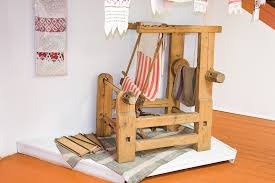
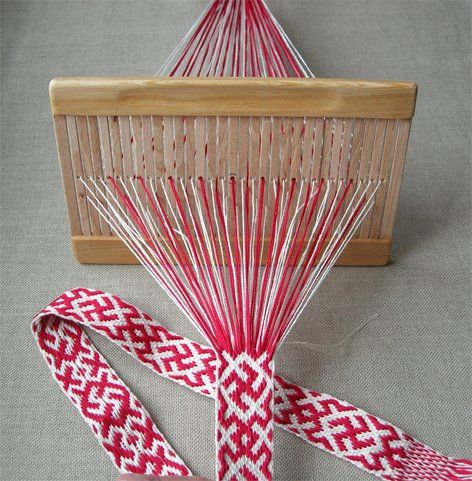
*2.* Weaving on a heddle, tablet, card, or rigid heddle was used to create various patterned belts and ornaments for clothing. Nowadays, people still practice this, but only hobbyists, and not on a large scale; everything mentioned above looks a bit different and is easier to use.
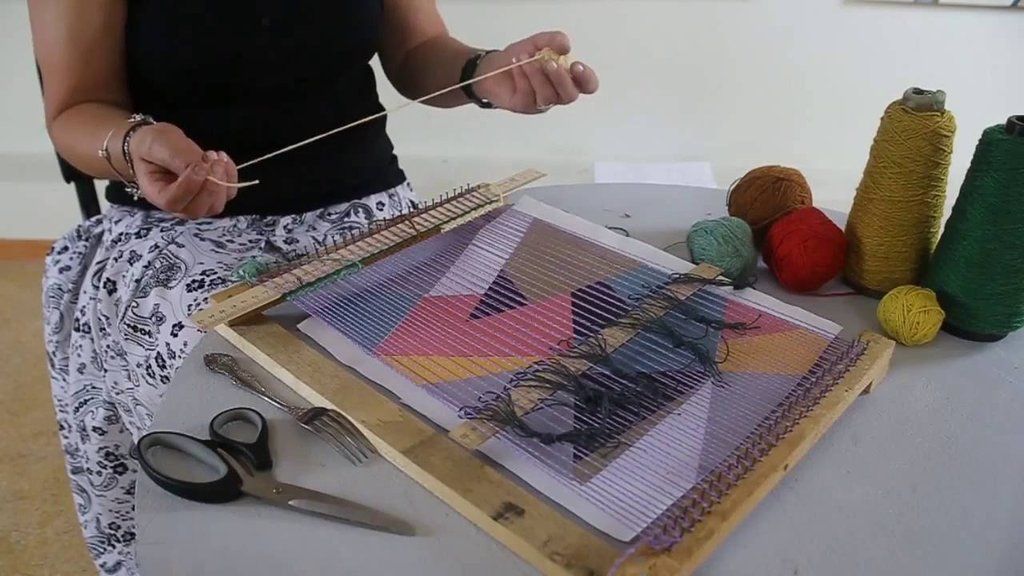
Tapestry - a method of creating bright and colorful pictures. Early tapestries were small, smooth, and pileless. Now you can find pieces with short, medium, and long pile, as well as various sizes. As for materials, not only yarn is used, but also other elements such as metal cord, wooden hardware, and more.
One of the modern methods of weaving is creating a design on cardboard of a round, rectangular, or square shape. This method is used to create decorative panels, paintings, tablecloths, rugs, and for other decorative purposes.
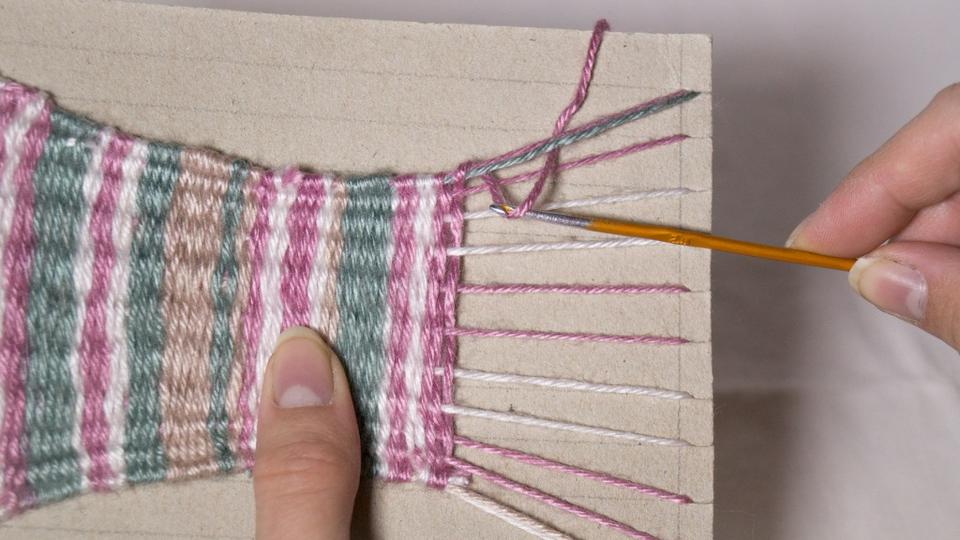
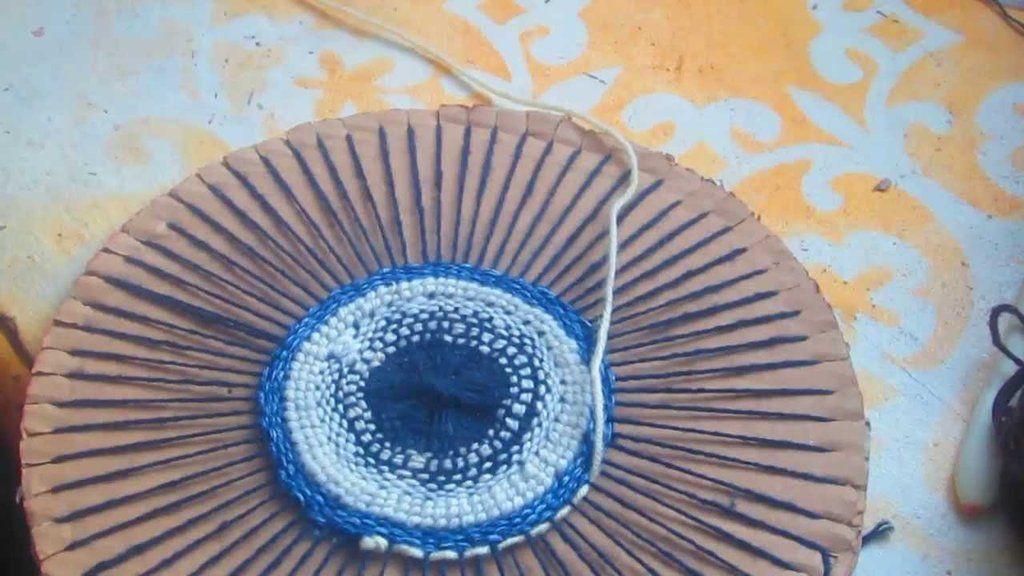


If you take a large piece of cardboard and thick yarn (ideally with cotton in the composition), you can make bath mats or bedside rugs. They will be dense and hold their shape well. By the way, you can use the same method to make rugs or "covers" for chairs and armchairs out of old, unwanted clothes. To do this, you need to cut the clothes into narrow strips and stretch them well, and then "weave" them just like in the last pictures. My grandmother used to make such beautiful things. We still use them today))