
How to Choose the Right Felting Wool
If you are new to felting, choosing wool can be confusing. Felting fibres differ in price, softness, and fineness.

Common Types of Felting Wool
- Combed top (tops) is the most common fibre for both needle felting and wet felting. Fine combed wool works for delicate scarves and fine details; semi-fine combed wool is better suited to toys, bags, and sturdier details, but can feel scratchy and pill in garments and jewellery.
- Superfine merino wool is used for clothing, jewellery, and accessories. It is commonly imported from Germany, New Zealand, Italy, and England, so it is usually more expensive.
- Carded wool (wool batting) has randomly arranged fibres and is used for needle felting. It can be used for clothing, bags, hats, pictures, and slippers.
- Prefelt is a ready-made wool sheet used for flat items.
- Roving is lightly twisted wool; the source describes using it for washing-machine felting.
- Fleece locks are used for textured pieces that need a curly or shaggy effect.


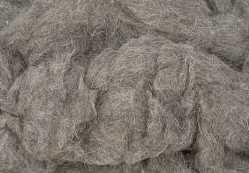


There are many kinds of felting wool, so trying different fibres can help you find what is comfortable for your chosen technique.









How do you like this option?
These earrings were made using a combined felting technique: the centre was needle felted, then volume was built up with wet felting. The first version had a few defects, but they were easy to correct by trimming stray fibres with scissors. I bought the earring findings at a craft shop. Make a hole in the felted blanks with a large needle, thread through the findings, and decorate with beads or chains if you like.