
Features of pile fabrics to consider when cutting and sewing
Garments made from pile fabrics look chic, elegant, and expensive! However, this is only true if all the specific characteristics of such fabrics are considered and all technical requirements are met during sewing.
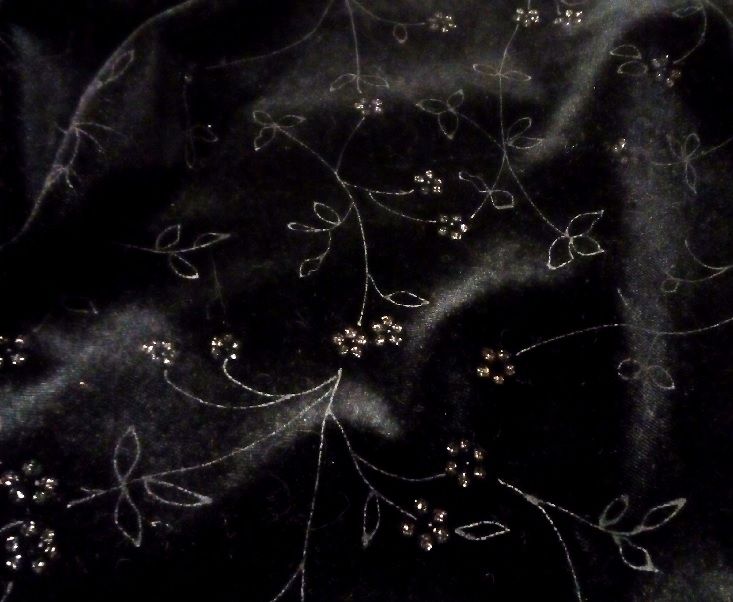
What you need to keep in mind when planning to sew a garment from such fabrics:
- pile fabrics should not be preshrunk at all, as the pile will get crushed during ironing;
- if you still need to prevent potential shrinkage, you should hang the fabric over a bathtub filled with hot water and leave it overnight – the fabric will steam and shrink;
- you can iron such fabric very carefully – to do this, you must fold it in half with the pile facing inward and iron without pressure;
- to prevent the fabric from slipping when cutting in two layers, pin it at minimal intervals, or better yet, always cut on a single layer of fabric;
- when cutting fabrics with a short pile, lay out the pattern so that the pile runs from bottom to top in the garment – this results in a richer color;
- when cutting fabrics with a long pile, lay out the pattern so that the pile runs from top to bottom;
- the direction of the pile must be the same for all cut pieces of a single garment;
- before stitching, perform two parallel basting seams to prevent the fabric from slipping, and sew between them;
- finish the raw edges of the garment with an overlock or a thin bias tape;
- avoid using darts; if possible, it is better to replace them with princess seams or yokes; try to keep the number of fabric layers to a minimum – cut pocket linings, collars, etc., from lining fabric.
These are the main features of such fabrics. Do you know any others?


With finicky fabrics like velvet, you need to double-check your pattern ten times. Even to the point of making a mockup on scrap fabric. And it's better to play it safe with seam allowances – make them wider. It's better to trim off the excess later.