
Types of Cashmere Blend Yarns
I have already talked about the features of cashmere wool yarn. Now I want to talk about cashmere blends. Let me say right away that blended yarns are not just an attempt to make a product cheaper, but also an opportunity to improve its characteristics.
Cashmere and Silk Blend
Perfect for knitting light shawls, scarves, and blouses. The finished items are simply luxurious. However, unfortunately, they wrinkle easily and lose their appearance. For this same reason, such yarn is not suitable for knitting dresses and skirts.
Cashmere and Angora Blend
This combination creates a thin and delicate fabric. This yarn makes wonderful women's sweaters and jumpers. It is also ideal for knitting children's items (provided the child is not allergic to wool). However, this rather delicate yarn is unlikely to be suitable for men's items, as it requires very careful wear.
Cashmere with Alpaca, Merino, or Camel Fiber
This specific type of blended yarn is suitable for making men's items. It is firmer and more wear-resistant.
Blends with Synthetic Fibers
Additions of acrylic, nylon, or microfiber fibers significantly reduce yarn wear and allow for a wider color range. The yarn becomes easier to care for, is almost pill-resistant, and retains its shape longer.
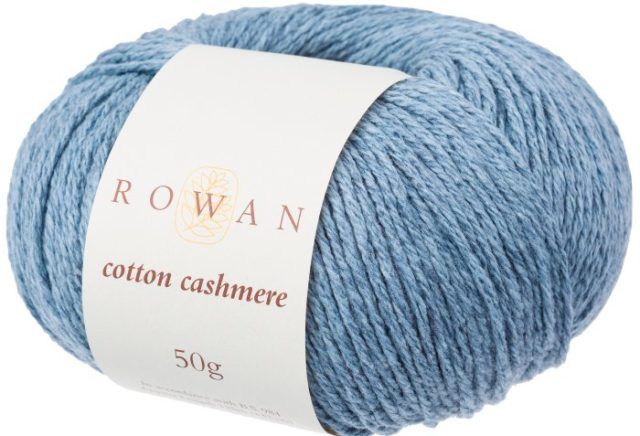
Cotton and Cashmere Yarn
As a rule, the percentage of cashmere in such blended yarn is very small, which determines its properties as being close to those of cotton thread. Consequently, items made from such yarn are not very warm or durable.
In general, the choice of yarn is determined by the pattern, your preferences, and your budget. However, if the stated composition contains less than 50% cashmere, you shouldn't consider this yarn to be cashmere. At such percentages, the properties will not be noticeable. We will talk about how to correctly calculate yarn consumption when using cashmere yarn later.
For care and shrinkage checks with delicate yarns, see the guide on washing mink down and angora garments.


I really like cashmere yarn with silk. Thin and very soft threads. A blend with merino is also gorgeous. It is difficult to find pure cashmere now. An acquaintance of mine, who worked in China for a long time, said that even if the label says 100% cashmere, it is not always true. Usually, it is still a blend with wool, acrylic, or viscose. The Chinese even mix rat hair with cashmere.
And even if it is written that the composition contains cashmere, but less than 20%, then it can be considered more of a marketing ploy than the real properties of the yarn.