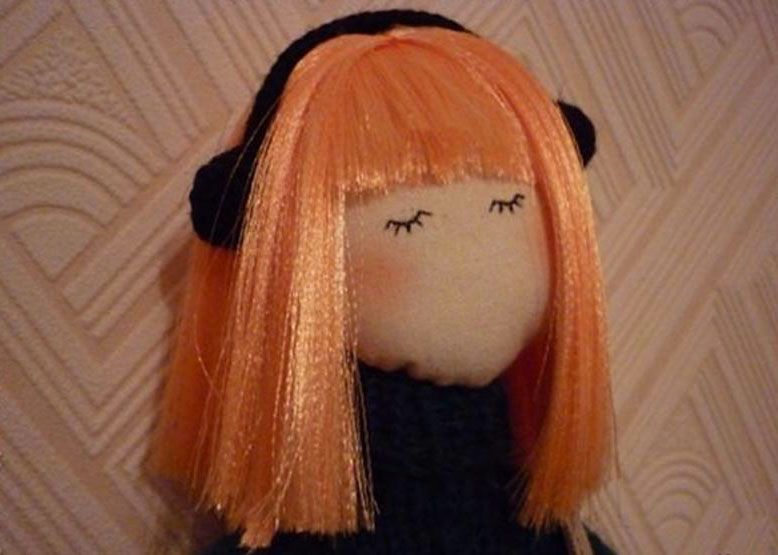
What to make doll hair from
The type of hair to make for a doll depends primarily on its design and overall concept.
## Felting wool For some dolls, a wig felted from wool is quite suitable. Tildas and other stylized characters look good with such hair. It also works well for dolls in historical costumes from eras when huge wigs were worn, such as the Rococo and Baroque periods. You need to know at least the basics of felting techniques to form, first, the wig cap, and second, the curls, hairstyle, or ringlets themselves. You can, of course, just glue the hair to the head, but I would still recommend forming a cap to fit the shape of the head, as it will be easier to glue on. If the doll is textile, the wig can be felted into the fabric, and you can do without glue.
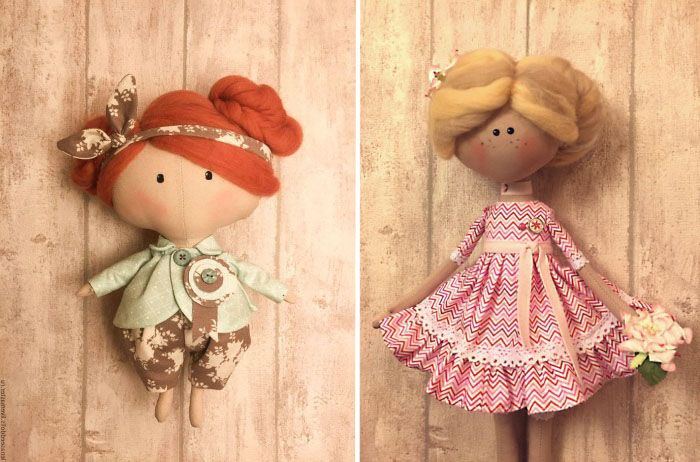
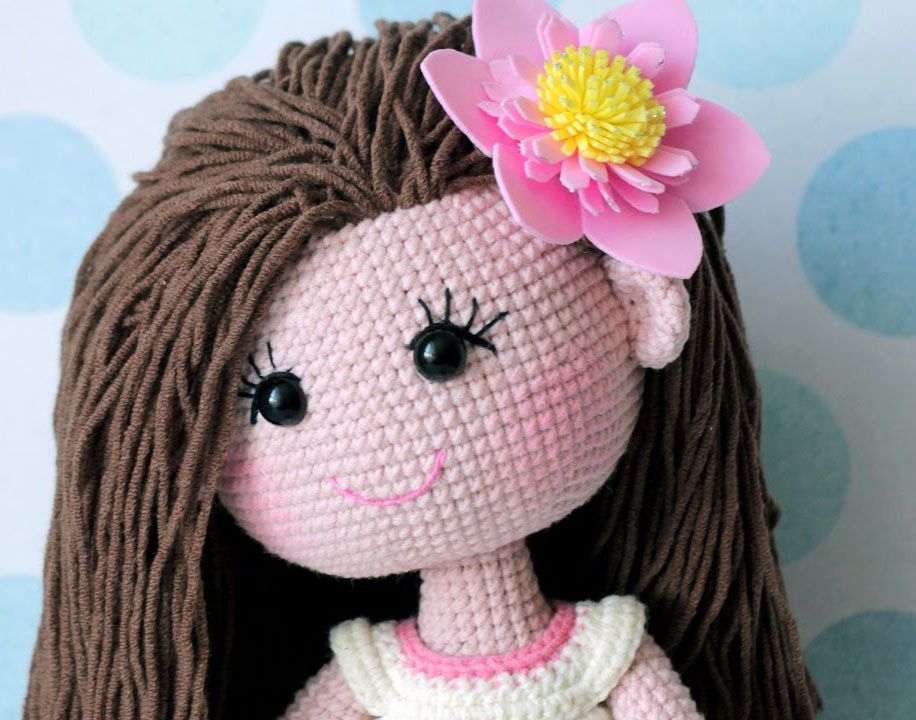
## Yarn hair Ideally suited for rag Tilda dolls. The doll's head is simply stitched with threads, or a hairpiece is made. You shape it into a ponytail or braids and sew it to the head.
## Synthetic hair wig The most painstaking method. Strands of synthetic hair are sewn onto thin strips of netting with the smallest possible stitch, and then a wig cap is formed from these strips. A simpler option is to make a cap using papier-mâché and simply glue the strands onto it, but this option is not suitable for all dolls. Alternatively, there is goat hair. Wigs made from it are crafted using the same principle as synthetic hair. It is a matter of taste and budget.
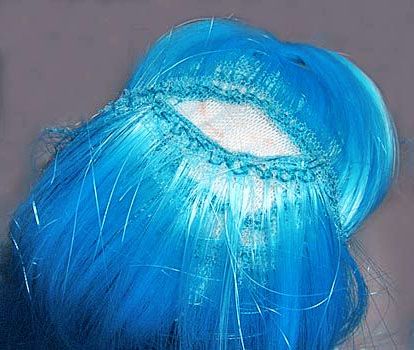
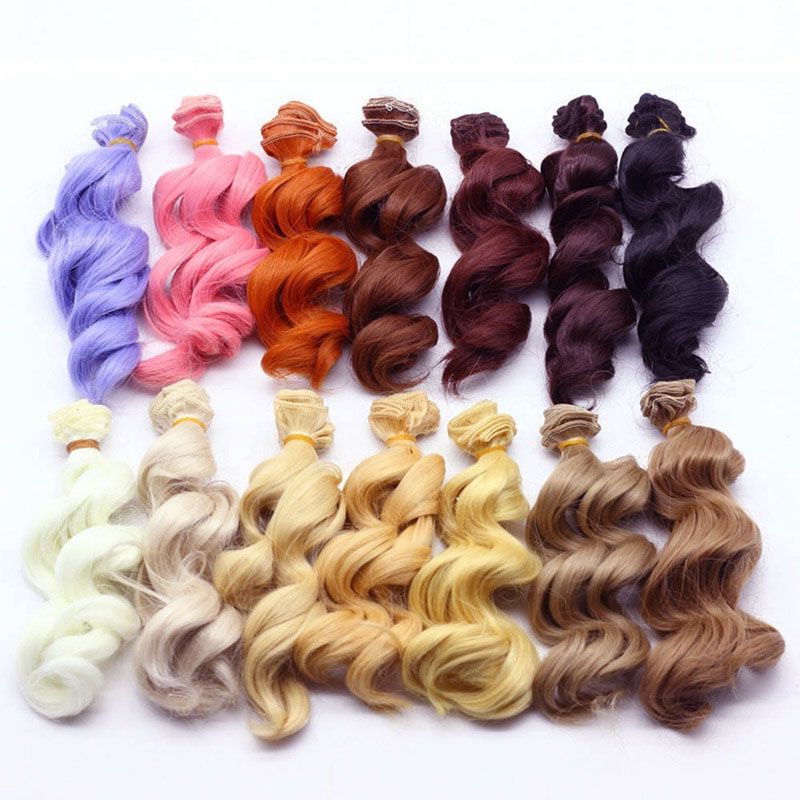
## Wig made from wefted hair In my opinion, this is the easiest and most convenient way to make a wig for a doll. The base of the wig can be made of jersey or netting, onto which the wefts are sewn. You can also make a papier-mâché cap and glue them on.
## Satin ribbon wig To do this, the ribbon is cut into pieces of the required length, melted on one side, and glued or sewn to the doll's head, then unraveled by removing the crosswise threads, leaving only the lengthwise ones. This is the cheapest method. These hairs can also be curled and styled.