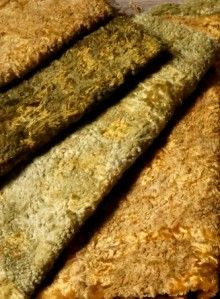
Fabric for plush toys
Back in the day, I did an internship at a toy factory as part of my college program. That was where I first encountered a bunch of materials I had never heard of before. But that experience helped me learn the nuances of working with each of them.
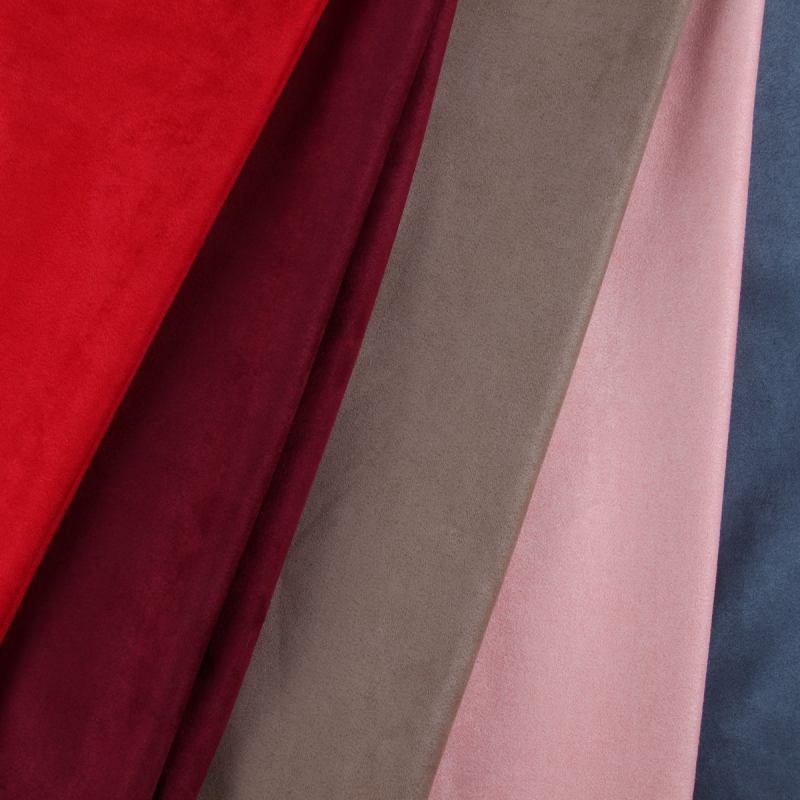
I'll start, perhaps, with one of the simplest fabrics - faux suede. It is used to create rigid toys or firm details in soft ones. The pile is very short and set on a stiff backing, which allows for detailed pieces. There are no particular difficulties in working with it, but your cutting tools must be very sharp, otherwise the fabric will be ruined.
## Alpaca When I first encountered this name, I thought it was about the animal (specifically, a llama). And, to some extent, that's true. Although I never would have thought that the pile for this fabric is actually made from the American llama. As for me, the material is stiff. I haven't found a way to make it softer, but many artists praise alpaca and note that it is an ideal option for creating toys in the nature-inspired style.
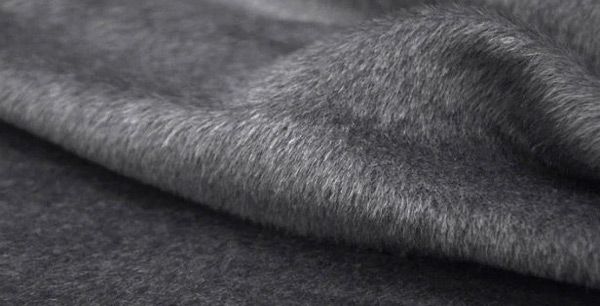
## Silk mohair In my opinion, this is a wonderfully complex material. You need a lot of tools to work with it. Furthermore, it gets very dirty during the process, and direct sunlight ruins its appearance, but if you follow the proper technique, it looks expensive and beautiful.
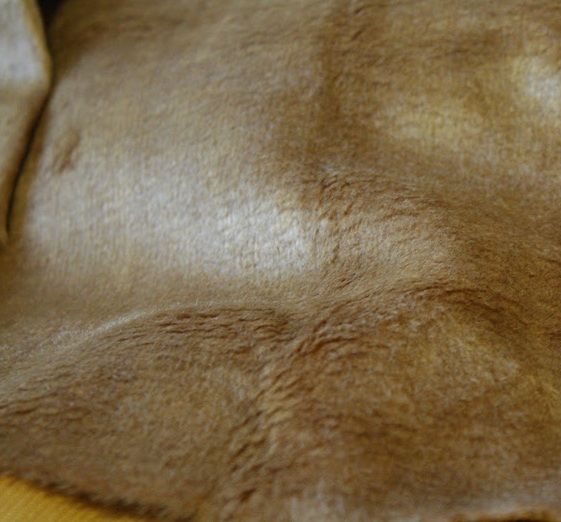
## Vintage plush Today, this material is hard to find because the manufacturing technology has been lost. But if you have any scraps, be careful while working. Due to its age, the plush sheds a lot, and for comfortable work, it is recommended to reinforce the material with a layer of fusible interfacing.