
The Perfect Versatile Fabric: Loden for Autumn and Winter Skirts and Coats
I recently discovered Loden fabric (I bought a sweater at a thrift store because I liked the fabric, and only later found out what it was). It was truly "love at first sight." I have never felt such emotions before.
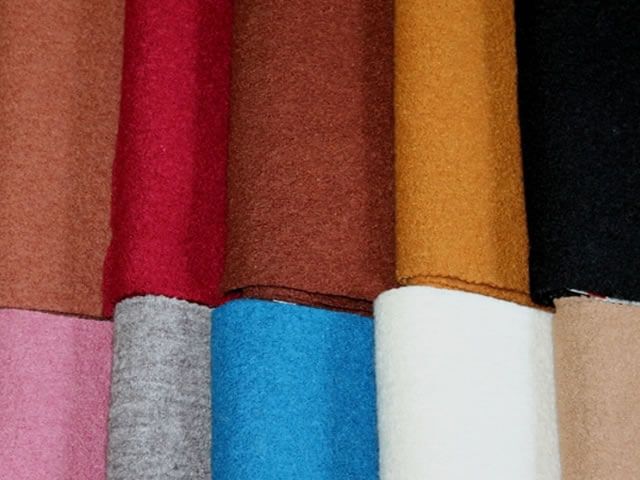
## What did I like about it?
> Loden
*
>
> – is essentially boiled wool. They say it was invented by accident. In peasant times, someone washed a coarse wool sweater in very hot soapy water and ended up with a very dense, and most importantly, water-resistant and waterproof garment.
I can note not only these advantages, but also:
- Eco-friendliness (as its creation does not require chemical treatments);
- The fabric breathes (I now have a lot of autumn and winter clothes made of it, and my body doesn't sweat in them);
- I haven't noticed any significant soiling (it needs washing, of course, but much less often than a favorite sweater made of any other yarn);
- Softness and elasticity; the fabric takes on absolutely any shape, so making a skirt, coat, or even a sweater is not difficult.
There are also many pros when working with it:
- No need to take sedatives while cutting; it is truly easy.
- Edge finishing is not mandatory, as the material does not fray.
- If you get it a little dirty while working, you can clean it with a simple damp sponge, and the fabric will remain dry.
As it turned out later, there are different types of Loden, and they differ in texture. There are:
- double-sided,
- with a knit base,
- with printed patterns,
- unboiled,
- and of various thicknesses (from 1 to 8 millimeters).
Thanks to all these factors, the fabric is perfectly suited for any autumn and winter items. Moreover, you don't have to limit yourself to one style or color. Such a variety of Loden allows you to sew everything from skirts to coats!
> But for all its greatness, there is a nuance! A lining is mandatory for this material!
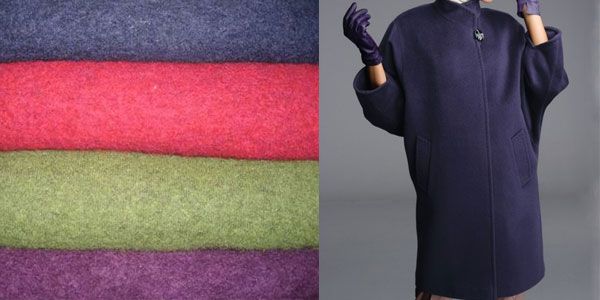
I fell in love with this fabric at first sight! Do you have any Loden items? Have you worked with it?


I've also worked with this fabric, but if you don't use a lining, it's very itchy (especially when new, before it's broken in), and if you do use a lining, it's very difficult to match, especially when it comes to sweaters/raglans or skirts. The most pleasant way to work with this fabric is to make coats. It doesn't fray, it drapes just right, it's easy to stitch, and it's easy to choose a lining for. In short, it's a dream to work with.