
What is Thinsulate: choosing insulation and learning how to work with it
Thinsulate is arguably the ideal synthetic insulation, used in the production of winter and ski clothing. It is breathable, durable, moisture-resistant, easy to care for (unlike down and feathers), not too bulky, and very warm.
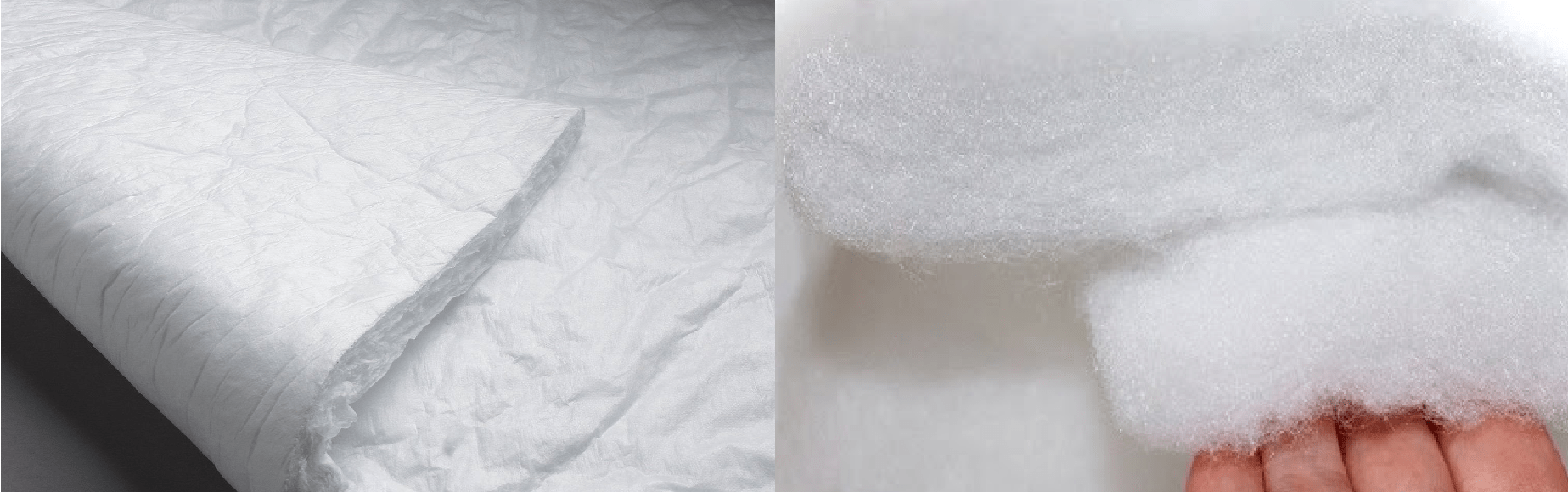
## Advantages of Thinsulate:
- High-quality thermal insulation – it is twice as warm as any natural material (including down, yes!).
- Moisture resistance and quick drying – the ultra-fine fibers of the insulation absorb only 1% of their own weight in moisture (and it is very light!). For comparison, down absorbs up to 70%.
- Shape retention combined with flexibility – Thinsulate is machine washable and handles spin cycles perfectly. Once dry, it immediately regains its shape – no need to put balls in the drum. It does not migrate within the garment during wear and does not clump.
- Hypoallergenic composition. Everything is clear here.
## How to choose Thinsulate?
There are many types of this material. I will try to describe them briefly.
- C or Classic – the thinnest (0.3-1.75 cm, 40-263 grams per square meter), used for demi-season clothing. Marking C – without non-woven fabric, CS – one-sided non-woven fabric with quilting every 10-25 cm, CDS – double-sided with a 15 cm quilting interval.
- P – quilted on both sides. Thickness – 1…2.1 cm, 101-230 grams per square meter. Fibers do not migrate, the material is durable and wear-resistant. Best in terms of warmth-to-weight ratio.
- G / KL is used for sports and professional clothing. It retains its shape well and has excellent wear resistance. It comes in a wide variety of thicknesses and densities.
- J – particularly resilient and soft, it is an alternative to down. It repels moisture better than others.
- TIB is used in the production of sportswear, blankets, throws, bedspreads, and sleeping bags. Lightweight, voluminous, breathable. Thickness – 1.7…2.5 cm with a density of 98-191 grams per square meter. It may "leak," so it is recommended to use down-proof fabrics.
There are other types, but they are unsuitable for sewing - B for footwear, FR for fire-resistant gear, etc.
Most likely, you will find type P in three densities (P100, P150, P200) and type C (C, CS, and CDS) for sale. When buying, focus on the volume and density of the material. A density of up to 100 grams is suitable for temperatures of -10…-15°C, 150-200 grams – -20…-25°C.


@krestiki_noliki, maybe an item with Thinsulate doesn't need it, but the material itself wouldn't hurt to be ironed before sewing. It is sold in rolls and is folded like fabric when purchased, so in some cases, creases form.