
Water-repellent fabric treatment — how to make it at home
The fishing, hunting, and outdoor season has begun. I thought it was time to refresh my backpack for these trips. It's convenient when it's waterproof. There are ready-made fabric treatments available for sale, but as a rule, they are sold in large quantities. If you only need to make one item water-repellent, it's easier to prepare the treatment yourself. I started researching the topic and will share what I found with you.
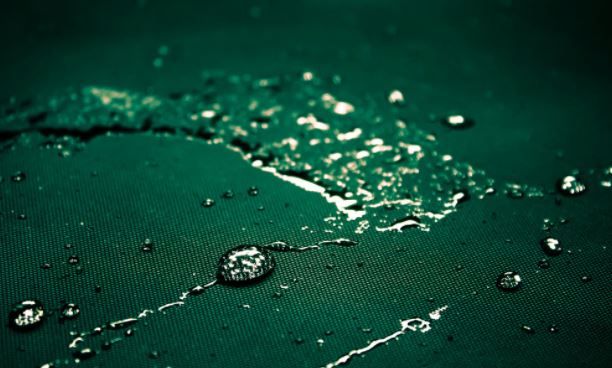
Here are a few accessible recipes; all the components can be bought in stores and pharmacies.
## Soap and Alum
Dissolve 500 g of grated soap in 5 liters of warm water and submerge the fabric. While it is soaking, dissolve alum in another container with 5 liters of water. Then, transfer the fabric from the soap solution to the alum solution. Copper sulfate**
Add 300 g of copper sulfate to 12 liters of water and dissolve. Soak the fabric in this solution for five days.
## Rosin, soap, acetone, and soda
Prepare rosin powder, soap shavings, acetone, and washing soda. Use 500 g of each component. Bring 5 liters of water almost to a boil, then add the soda and grated soap. Separately, dissolve the rosin powder in acetone and pour this solution into the water with the soap and soda. Mix everything well. Soak the fabric in the prepared solution for 12 hours. Rosin can be replaced with coniferous tree resin.
If you are planning to sew a tent or canopy, such items require very high-quality moisture protection. The prepared fabric should be soaked in a solution of 12.5 liters of water + 300 g of quicklime + 120 g of alum. Mix the components, but do not boil! Soak the fabric for 12 hours. These are the most accessible recipes; there are surely many others.


This is a very interesting topic for me, thank you for the recipes – I didn't know about some of them. I once created a post about fabric waxed by hand too )) The method turned out to be effective, it's just a pity it can't be applied to large volumes
/materials-and-tools/2596-waxed-fabric-where-to-use-it-and-how-to-make-it-yourself#comments