
Craft Cutting Mats: Uses, Care, and Safety
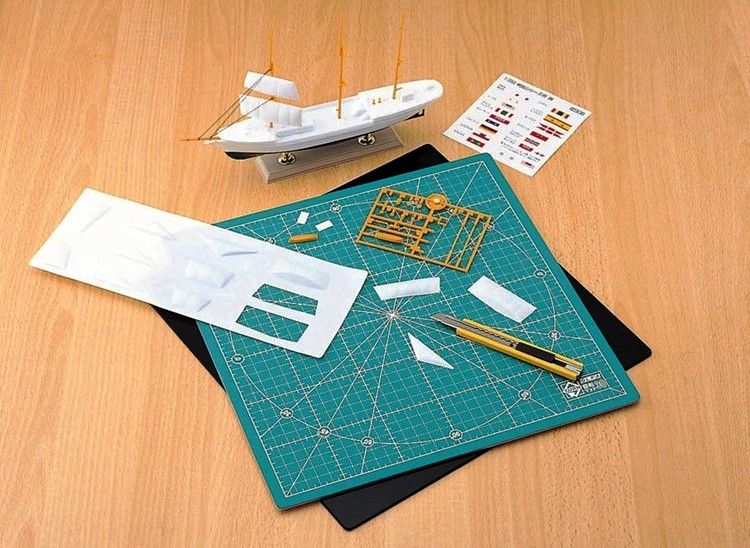
A dedicated cutting mat is useful for many paper, fabric, leather, and patchwork projects. It gives a marked surface for quilling, scrapbooking, patchwork, and other work that uses a rotary cutter, craft knife, or scalpel.
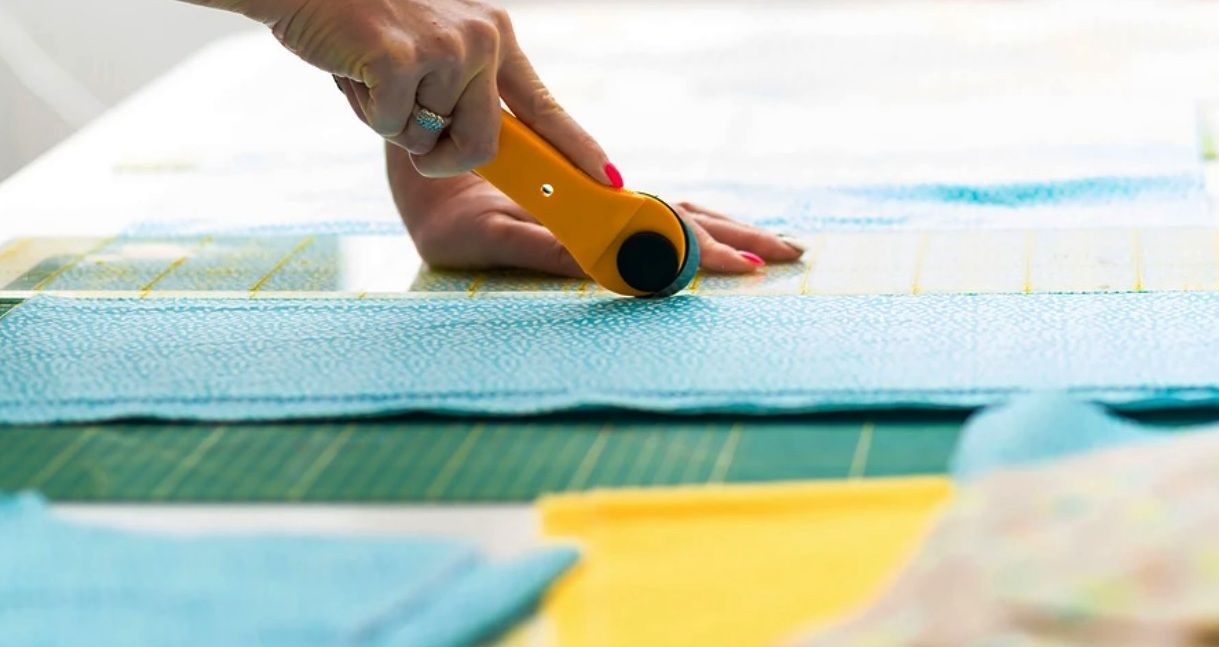
The layered construction helps protect the work surface, but it is not a guarantee that a blade cannot pass through. Choose a mat suited to the tool and material, and replace it if it becomes deeply worn or damaged.
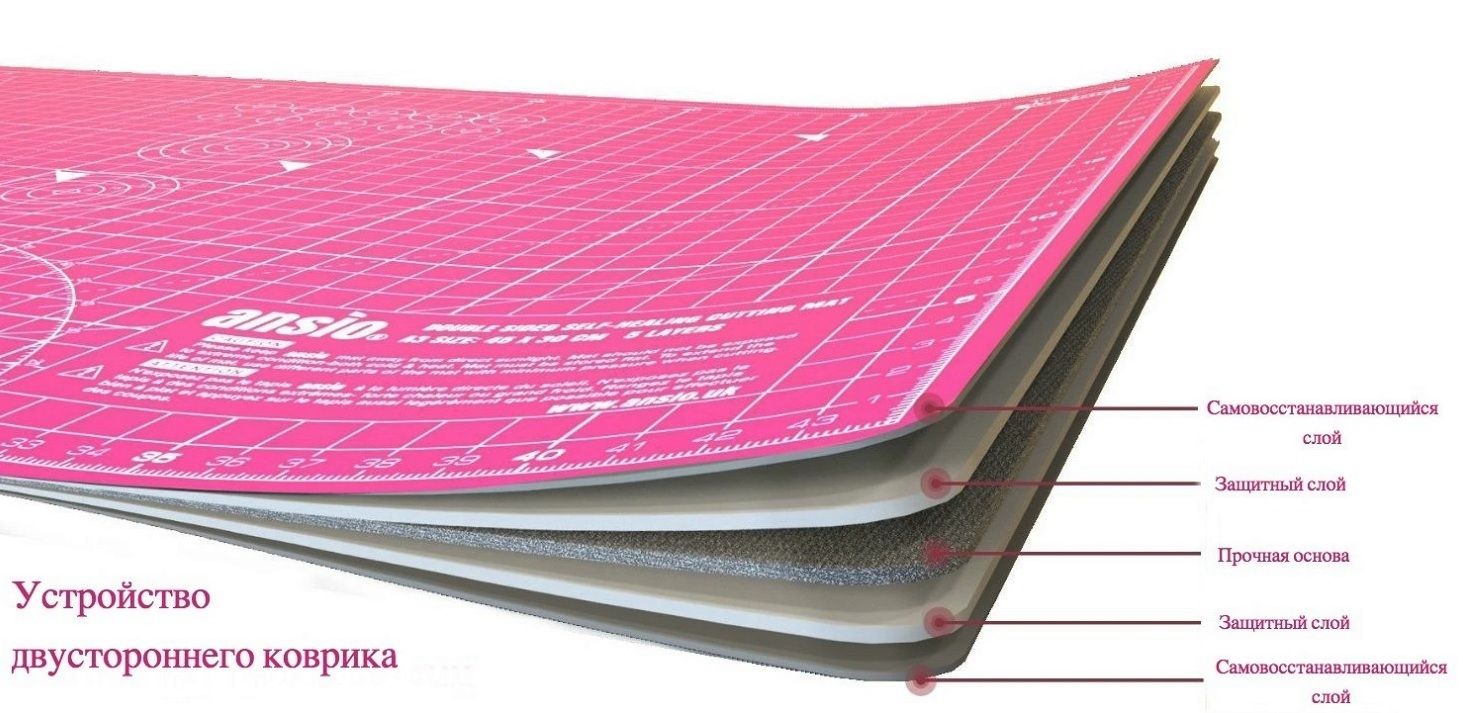
A self-healing top layer can close small cut marks over time. Its matte, slightly grippy surface can reduce glare and help keep material from shifting, but performance varies by mat, blade, and material.
Many mats have centimetre, millimetre, inch, and angle markings. Some also provide square or circle guides that can be useful when cutting repeated patchwork pieces.
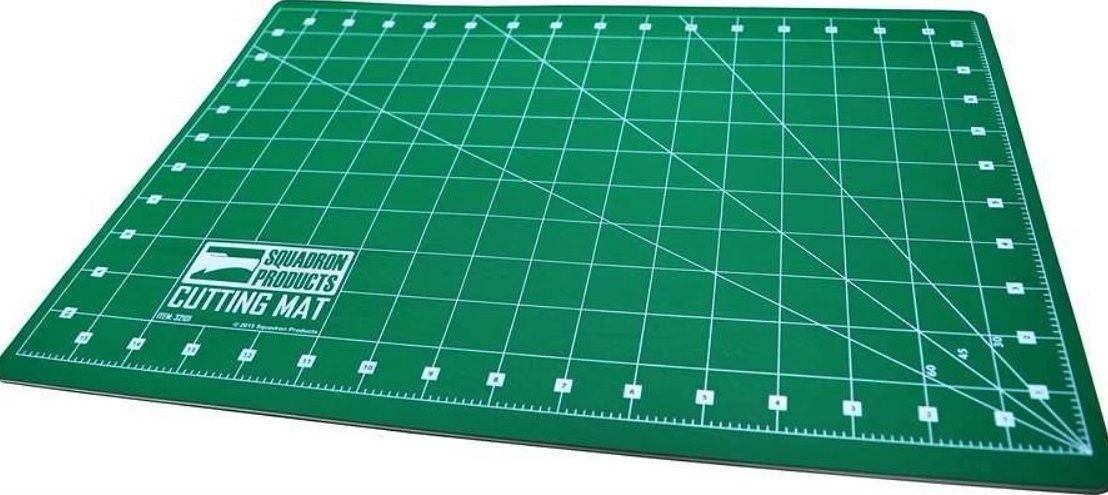
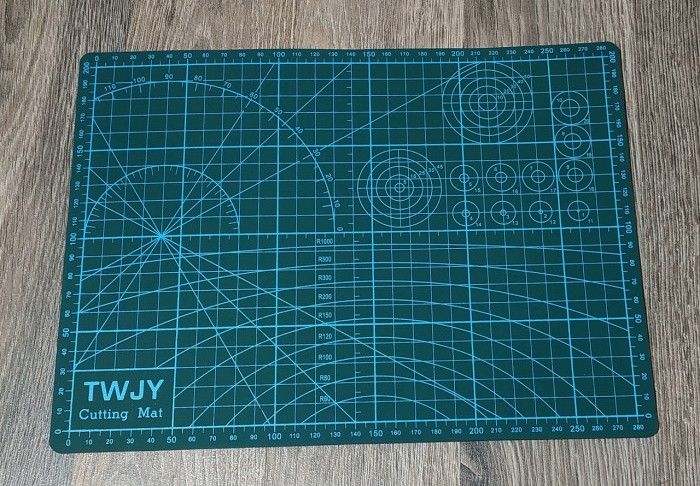
For large curved pieces, a rotating mat can let you turn the work instead of walking around it. Its base stays in place while the upper layer rotates.
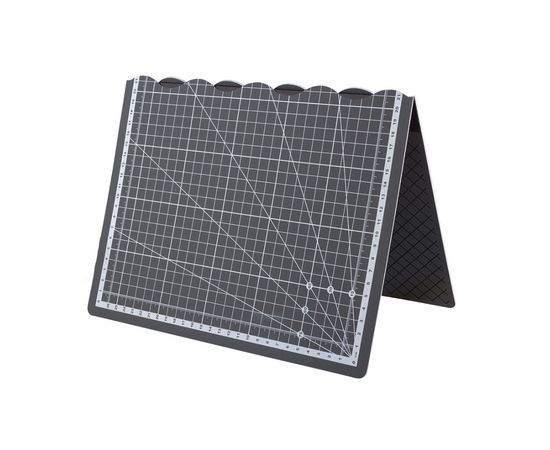
Folding mats are designed to take up less space in storage or transport; follow the maker's instructions for the specific model.
Mat Care and Cutting Safety
- Keep the mat out of direct sun and away from strong heat.
- Do not roll, bend, or fold a mat unless its maker says that model is designed for it.
- Vary the cutting area rather than repeatedly cutting in one spot.
- Clean lint and fibres only with a method approved by the mat maker.
- Cut on a stable surface, keep the non-cutting hand clear of the blade path, and store rotary cutters, knives, and scalpels with their guards or caps on and out of children's reach.


