
10 Types of Protection: Choosing the Right Thimble
In the good old days, craftswomen never picked up a needle without a thimble. Honestly, I used to think it was a relic of the past, but after digging into it, I'm ready to change my mind: it turns out there are many more varieties of thimbles now! 👌
Modern technology allows every crafter to choose the perfect accessory for themselves. Pay attention to the photo – we will go through the explanations from left to right 😉
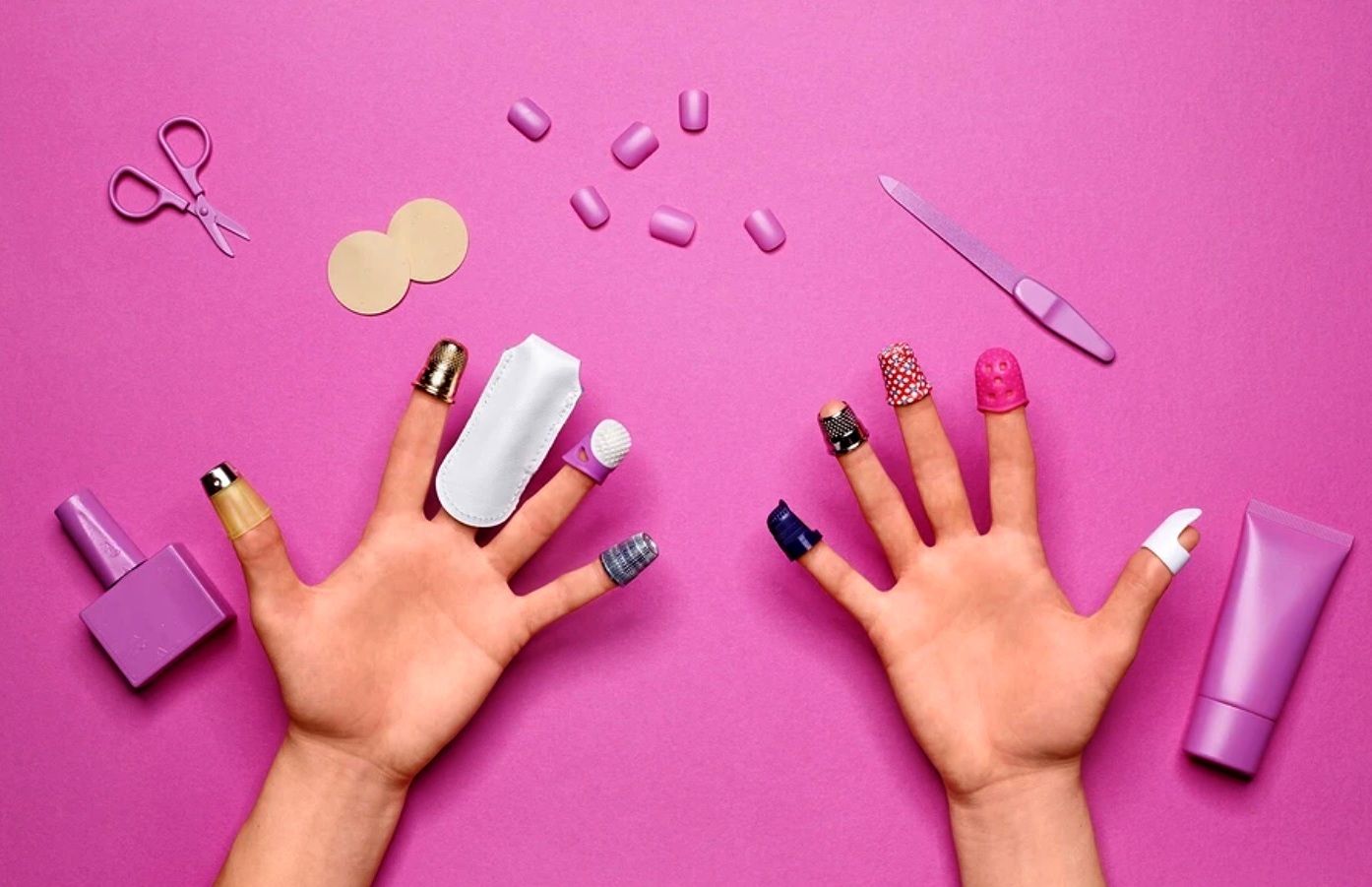
1. This thimble fits as snugly as possible on the finger: a slightly wavy rubber base gently hugs the phalanx and prevents the metal tip from rotating.
2. A classic. The very same "grandma's" thimble, slightly flared at the base. Usually made in gold or silver metallic.
3. A leather thimble that covers the entire inner surface of the finger – they say it's ideal for patchwork, as well as for creating items with hand quilting. On the outside, it consists of an elastic band.
4. Perhaps the "youngest" thimble of those presented. Its lower part (base) is made of soft plastic, the upper part is hard. Very light, but you will have to choose the size carefully.
5. An almost classic version, except that the bottom edge of the thimble is tapered for a tighter fit on the finger. Usually made of cast zinc.
6. A manicure-friendly thimble – ideal for those who don't want to part with their long nails 😍 Another plus is its adjustable size: the volume changes when exposed to high temperatures (the thimble is doused with boiling water if you need to reduce the volume).
7. A thimble without a top "cap" (open-ended). Good for work where only side-pushing of the needle is used.
8. A printed thimble – decorated with a small pattern that pleases the eye 🙂 A useful feature: a strip is usually placed along the inside edge, which prevents the accessory from slipping off the finger.
9. A soft silicone thimble. It has won special love from everyone who often holds a needle: it hugs the finger well, doesn't pinch, perfectly fixes the needle, and doesn't get pierced even during multi-layer hand quilting. Most models have a special slot for the nail.
10. A much lighter version of thimble #3 – it covers only the fingertip. It will probably be sufficient protection only for experienced crafters who are already well-acquainted with the patchwork technique.
So, which helper do you have on your finger most often? 😉

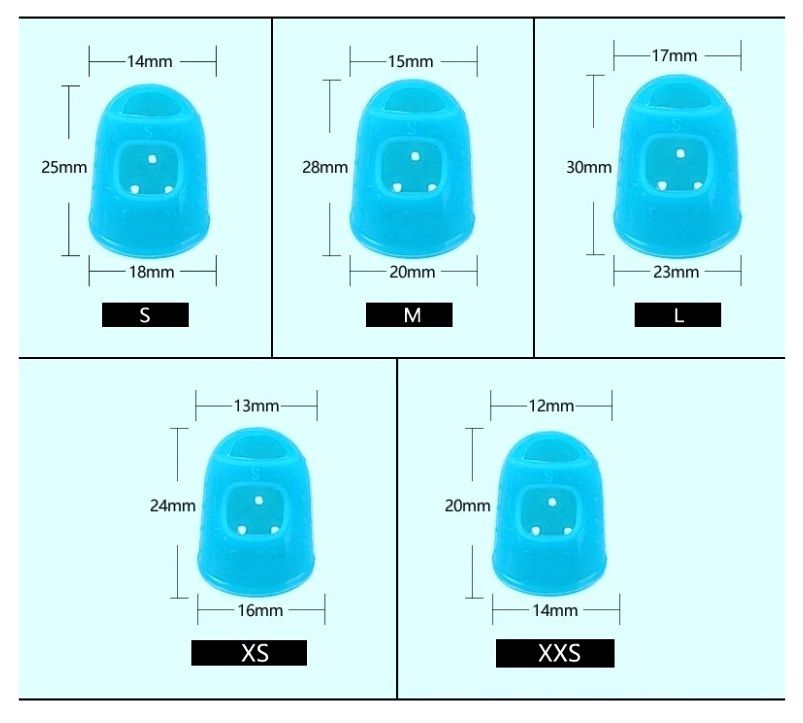


For comparison, check out the thimbles they used to make! Silver, gold, precious stones. A good gift for a needlewoman :giggle: