
Jute and jute fiber
Jute fiber has only recently become popular, although its production began back in the 17th century. However, the first mention dates back to the end of the second millennium BC. The material is famous for its eco-friendliness due to its ability to quickly decompose into microorganisms.
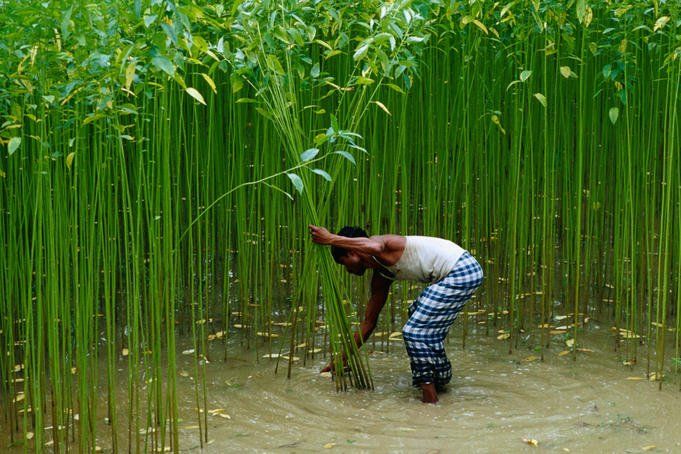
The annual jute plant grows in Bangladesh, India, and China. That is also where the fiber is produced by hand. But despite being handmade, jute yarn is characterized by its low cost. At first glance, it might seem that jute is no better than linen, kenaf, or polypropylene.
In reality, jute fabric has a number of advantages:
- Absorption and retention of moisture. At the same time, the fabric feels completely dry to the touch.
- High level of durability.
- Thermal insulation and breathability.
- Attractive appearance.
- Low price.
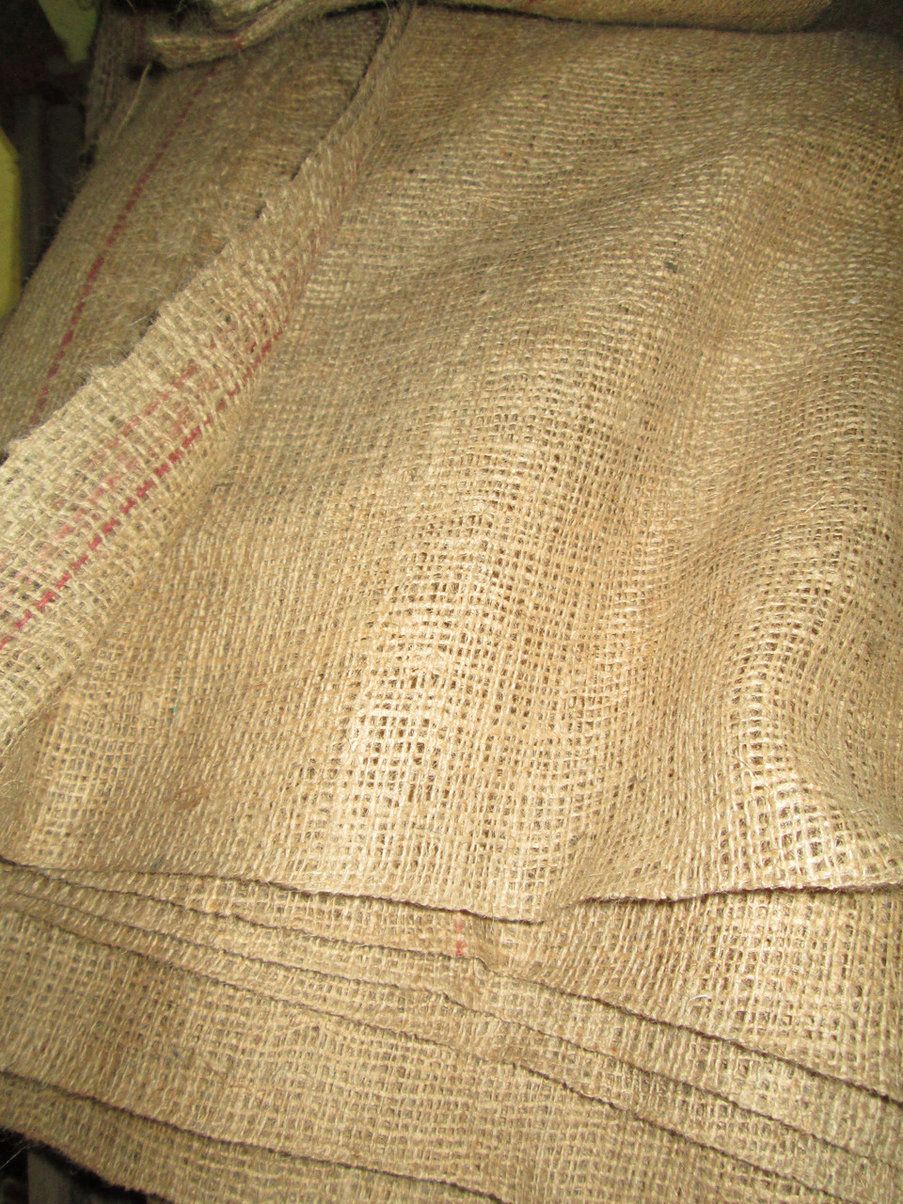
The material has gained particular popularity due to its eco-friendliness. It is used for manufacturing packaging material (for storing and transporting salt, sugar, tea, coffee, and other food products). Bags, clothing, footwear, and other accessories have become popular:
- Interior decor
- Furniture upholstery
- Durable canvases
- And other items that can be decorated with jute fabric or fiber.
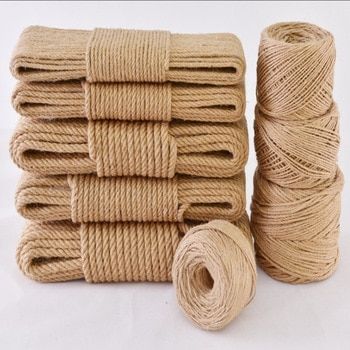
If you have decided to start working with this material, find out how it behaves in combination with various materials.


