
Patchwork Essentials: Interfacing, Batting, and Fusible Interlining
Patchwork is a true art form, and the quality of your creative results often depends on the auxiliary materials you use. They can generally be divided into two types: stabilizers and batting.
## Batting and its varieties
This material is used to create volume, for example, when making patchwork quilts. The most common and affordable option is polyester batting (sintepon), which has the following characteristics:

Resilience (retains volume and shape well) Elasticity. Softness. Lightweight.
This type of batting comes in various densities and thicknesses. In patchwork, the following are used:
Sintepon 100 – for bedspreads, wall hangings, placemats, and hand-quilted items. Sintepon 150-200 – for warm winter quilts and clothing, as well as interior items that require significant volume. Quilted batting (with lining fabric) — an excellent choice for patchwork quilts. Fusible batting – indispensable for appliqué and "pizza" technique projects.
When choosing batting, consider important factors such as the intended use of the item. If you are making a wall hanging or a decorative pillow, they will not require washing, unlike bedspreads and quilts.
Stabilizers (Reinforcing Materials)
When sewing clothing, these are used for details such as fronts, waistbands, and collars. These materials are characterized by their stiffness and elasticity:
Fusible interlining (Dublerin) – has a fusible adhesive backing, which can be solid or dot-coated. It is applied to a woven or knit base. In patchwork, medium-stiffness material is used, as well as stretch versions that pull in one direction. Its primary use is for appliqué and textile art.
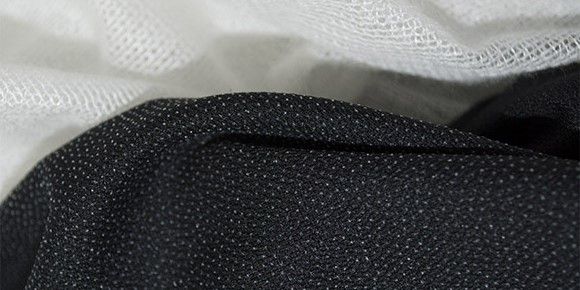
Fusible interfacing (Fleece/Non-woven) can come as a full sheet or tape. It helps reinforce the edges of an item and small details. This material is used similarly to fusible interlining but is less durable, less elastic, and less resistant to washing.

Non-fusible interfacing – necessary for adding extra density to items that do not require specific volume. It is secured during the sewing process and is suitable for making napkins, tablecloths, bags, and clothing.

Water-soluble interfacing. Used for machine and hand embroidery on patchwork blocks; it dissolves completely after washing.

Grid-marked interfacing. Features a printed grid pattern, simplifying work with pieces that have precise geometric shapes.

Tear-away interfacing. Indispensable for paper-piecing projects and far superior to using a paper base.

Currently, there are over 20 types of interfacing and reinforcing materials available. However, if you don't have them on hand, you can find suitable and more accessible alternatives. Beyond classic stabilizers, dense cotton or wool can serve the same purpose. These are often used in items for children and allergy sufferers, as well as anywhere natural, breathable fabrics are required.


Yes, you're right, wool is a bit heavy for a quilt, but on the other hand, we do sleep under wool blankets))) I have a camel hair one.