
Dyeing Fabric with Hibiscus Tea: Archive Experiment
This archive post records an experiment dyeing natural fabric with hibiscus tea, also called karkadeh or Sudanese rose. Different fabrics, water, dye concentrations, and aftercare can produce different results; test a small scrap before using a finished project.

For this archive experiment, the author used hibiscus tea, a pot, and 5% household vinegar. The source describes an acidic pre-treatment, but it is not a guarantee of colourfastness. Work with a small test piece first and use cookware and materials suitable for craft dyeing rather than food preparation.
The source brings the diluted vinegar mixture to a boil and simmers the fabric for about an hour. Hot liquid and steam can burn: use heat-safe tools, keep good ventilation, avoid splashes and skin contact, and keep children and pets away from the work area.

After the pre-treatment, let the fabric and liquid cool before rinsing. The archive then brews about 1.5 cups of hibiscus petals in 9–10 cups of water for 30 minutes. Handle boiling liquid carefully and follow the same ventilation and burn-prevention precautions.

The brew may turn deep burgundy. The archive submerges the fabric and keeps it at low heat for about an hour; longer contact may alter the shade, but results are not predictable or guaranteed. Check a sample before committing a larger piece.

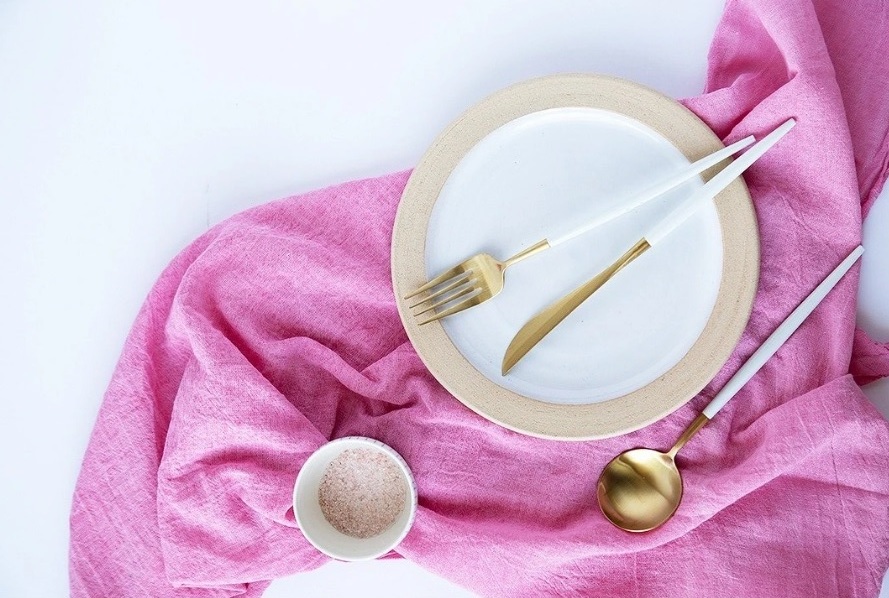
After heating, allow the dye bath to cool before handling the fabric. In the source experiment, shorter dyeing produced a soft pink shade. Shade and wash-fastness depend on the fibre and process, so treat this as an individual result rather than a fixed recipe.

Remove the fabric only when it is safe to handle, squeeze out excess liquid without splashing, and hang it to dry. Once dry, rinse a test area gently and dry it again. Natural dyes can fade or bleed, so test before laundering or using the fabric in a finished item.


My wash test went well on an old sheet: the water stayed clear in one warm hand wash and with cleaning products. That is only one result, so it should not be treated as a general colourfastness guarantee.