Choosing Fabric for DIY Bedding
Good evening, colleagues! I recently read the thread "Sewing Bedding: What to Consider During the Process." I decided to add to it by guiding you through fabric composition and density based on my personal experience, and explaining why the same type of fabric can vary in price. 😉
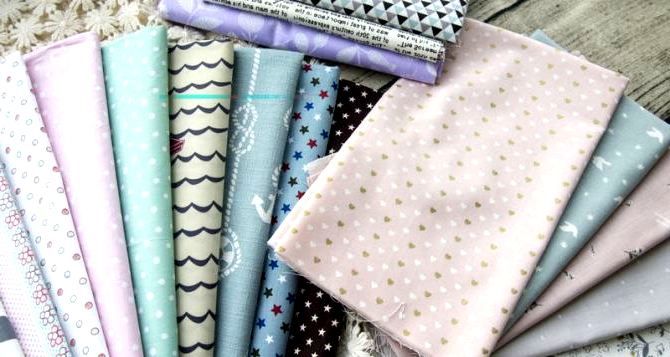
## When purchasing fabric, I recommend paying attention to:
- its composition;
- weave;
- surface and linear density;
- dyeing method.
Let's break it down in more detail.
## By origin, fabric can be:
- natural (cotton, linen, silk);
- blended (the most popular combinations are cotton/linen and cotton/polyester);
- synthetic (for example, 100% polyester).
Next is the weave. The density of the fabric, the quality of the finished product, and its durability depend directly on the weaving method.
Density is the number of threads per square centimeter. Density can be surface or linear. The ratio of these two criteria is strictly regulated. I won't go deep into the theory, as it's not essential here.
When purchasing fabric for sewing bedding, I recommend paying attention to the weave density index:
- 20-30 threads – thin fabric, not suitable for sewing bedding;
- 35-40 – also thin fabric, will quickly lose its appearance;
- 50-65 – medium-density fabric;
- 65-80 – in my opinion, the optimal choice;
- 85-120 – dense fabric;
- 130-280 – ultra-dense fabric, does not breathe well and is not suitable for sewing bedding.
This is exactly why two identical-looking rolls of fabric can have a twofold price difference! The price is also influenced by the dyeing method and the pattern, if there is one. It is quite difficult to check the quality of the dye in the store. I usually take a white piece of fabric or paper and, if the seller allows, rub the corner of the fabric hard. This is by no means a guarantee that it won't fade, but it protects you from buying obviously poor-quality material.
Important! Do not confuse fabric composition with the thread weaving method! For example, sateen, poplin, ranforce, and calico are not about composition, but about the weave! At the same time, in terms of composition, all of the above are cotton!
By the way, about composition. For bedding, I recommend using:
- natural silk;
- cotton;
- linen (the quality of the linen is extremely important, as the material is hard to call durable);
- bamboo.
In my opinion, synthetic fabrics should only be considered as a last resort.


I prefer linen or linen+cotton (for durability). The fabric, of course, wrinkles very badly, but in the summer you will definitely feel the difference between such bedding and store-bought cotton-polyester.