
Refreshing Children's Shoes: Two DIY Makeovers
Children's shoes often show scuffs before they are outgrown. These archive makeover ideas are decorative only: they do not restore structural support, fit, sole grip, or water resistance. Before changing a pair, check that it still fits well and that the upper and sole are sound.
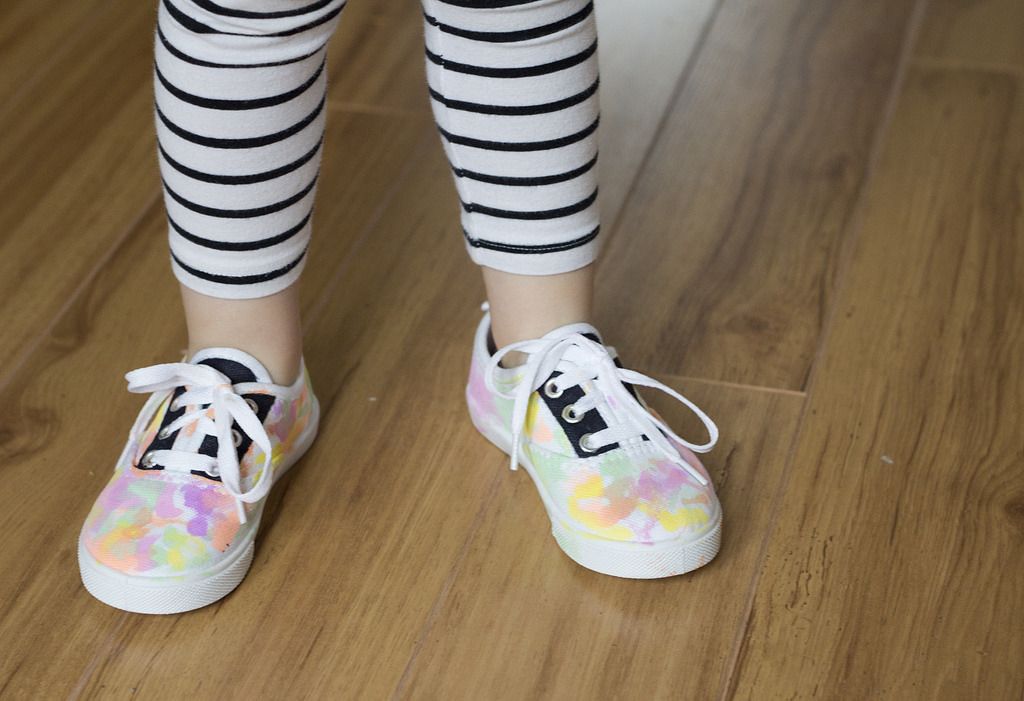
Rather than replacing shoes with a sound upper and sole, you may be able to refresh faded textile areas. Choose products specifically intended for the shoe material; do not assume that a craft paint, cleaner, or sealer is suitable for every fabric or synthetic.
Option One: Painted Textile Panels
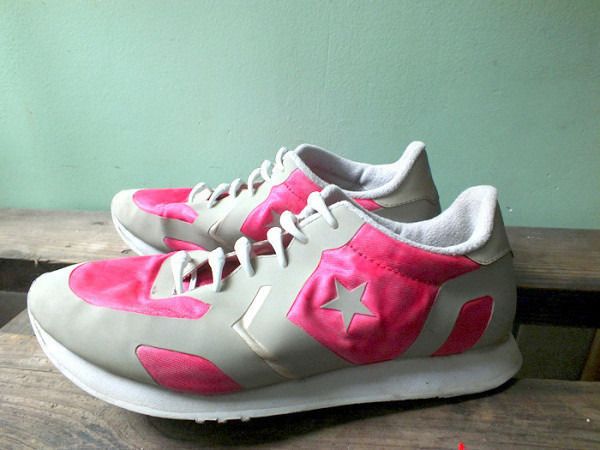
This pair combines fabric and faux leather. The fabric panels can be refreshed with a paint intended for that textile material and a thin brush.
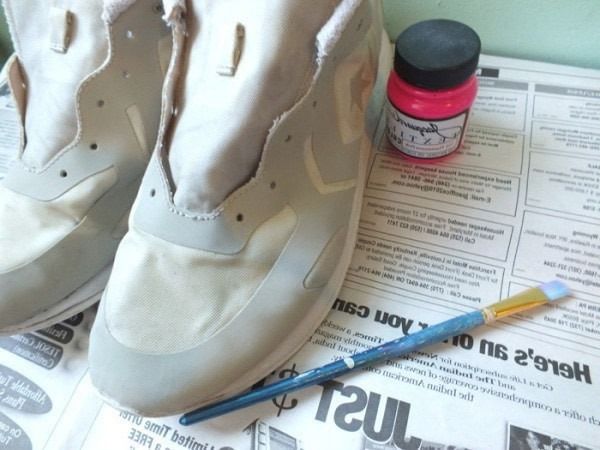
- An adult should remove the laces, clean away loose dust as directed for the material, and let the shoes dry completely.
- Stuff the shoes with paper to support the upper while working.
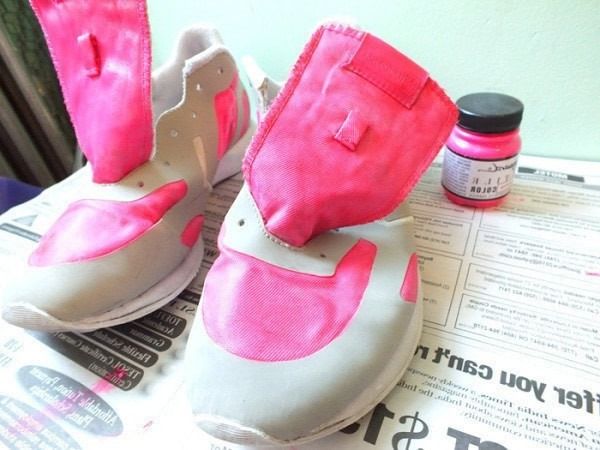
- Apply thin coats only to the intended textile sections and tongue. Keep coatings away from the inside of the shoe, the sole, and the tread. Apply a second coat only if the product instructions permit it.
- Allow the paint to dry and cure for the full time stated by the manufacturer before relacing or wearing the shoes.
Option Two: Pastel Canvas Decoration
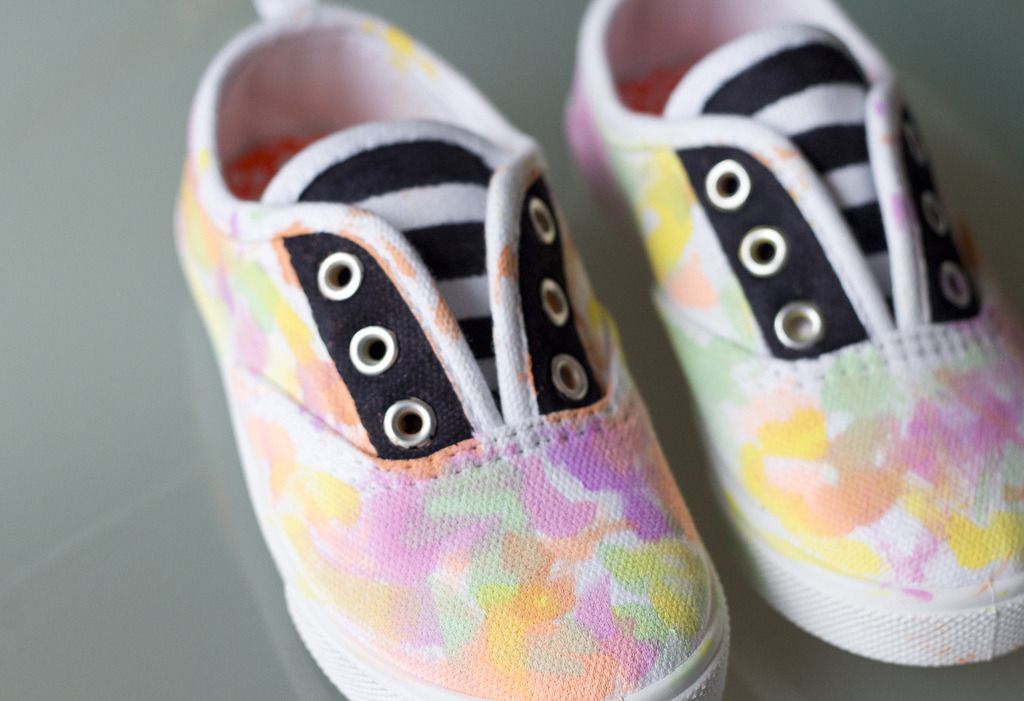
This example uses canvas shoes with rubber trim. It is a decorative finish rather than a method for repairing worn soles, loose stitching, or damaged fastenings.
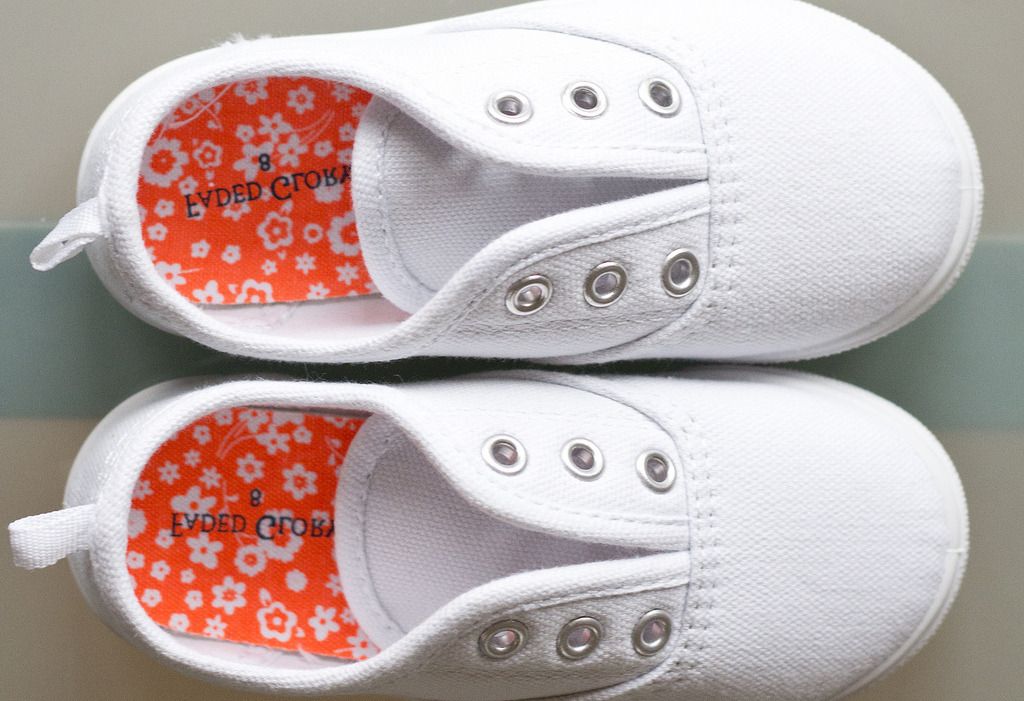
The archive example uses fabric dye, a fabric marker, water, brushes, a sponge, and a protective finish. An adult should read every product label, use ventilation where required, and keep dyes, cleaners, sealers, and tools out of children's reach.
- Remove the laces. If the chosen product directs you to protect the rubber trim, do so only as specified by that product.
- An adult can apply a small amount of fabric dye in a simple pattern. Do not let a child handle dye, cleaner, sealer, or other chemical products.
- Use a clean damp sponge to soften colour edges if the dye instructions allow it, then let the shoes dry completely.
- Do not use an unspecified household cleaner to remove protective materials. Follow the shoe-care and product instructions instead.
- If using a protective finish intended for footwear, apply it as directed and allow it to cure fully. It does not guarantee that the shoes will stay waterproof or that the colour will not wear.
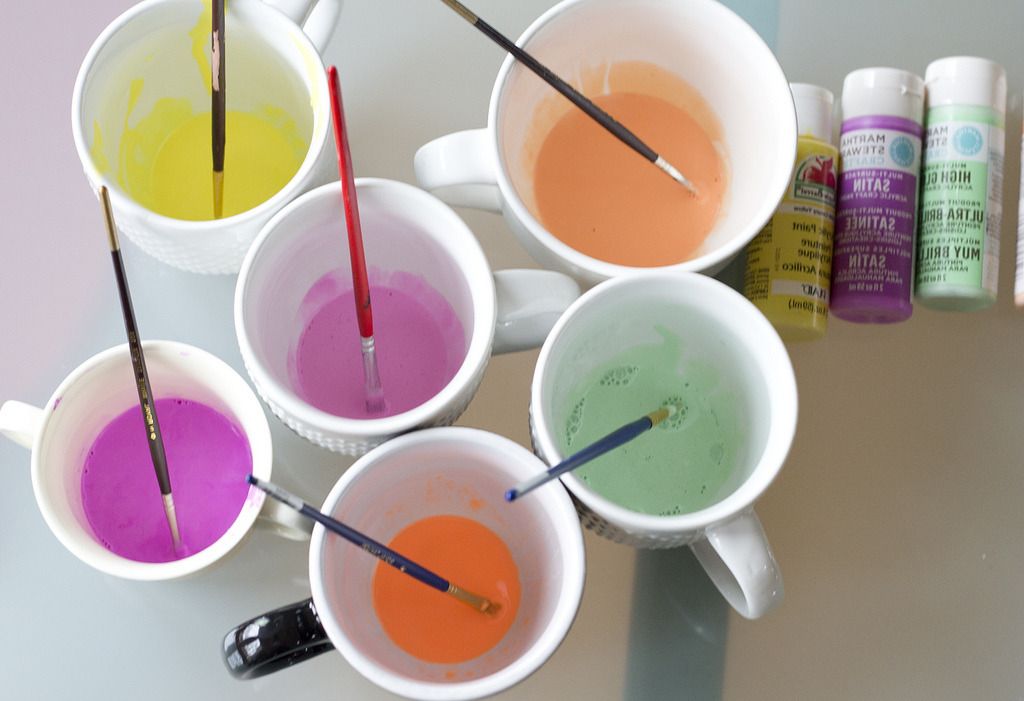
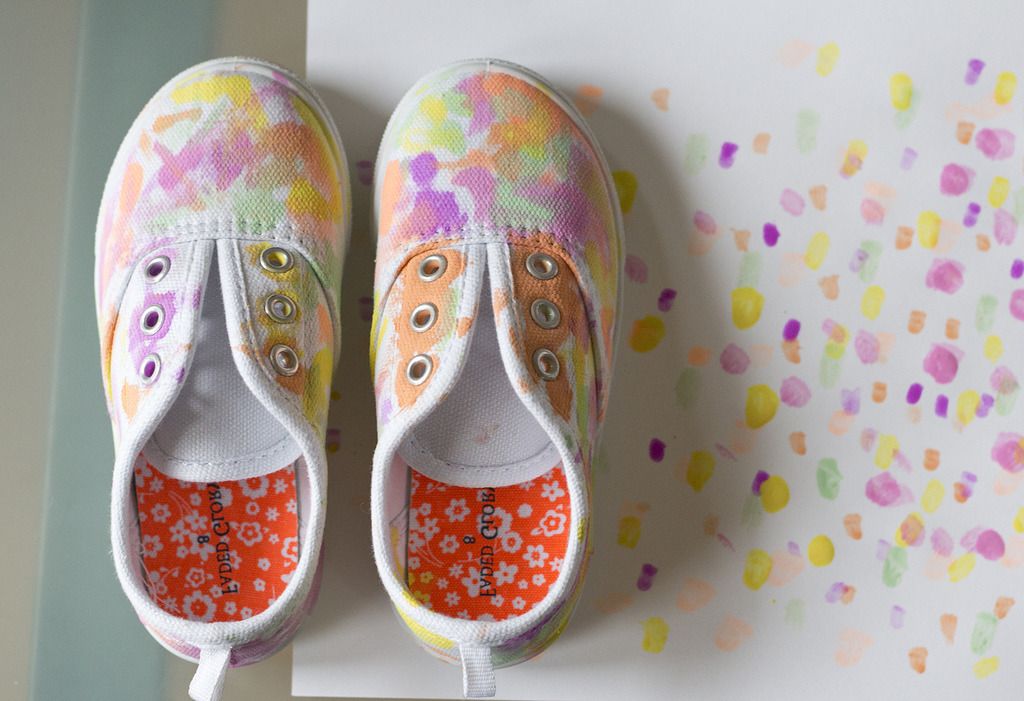
Before the Shoes Are Worn
Decorative markers, appliqués, glitter, rhinestones, and other small trims can chip or detach. Avoid them on shoes for young children, and never treat decoration as a safety repair. Once all coatings have fully cured, check the fit, flexibility, interior comfort, sole grip, and every attached detail before the shoes are worn.

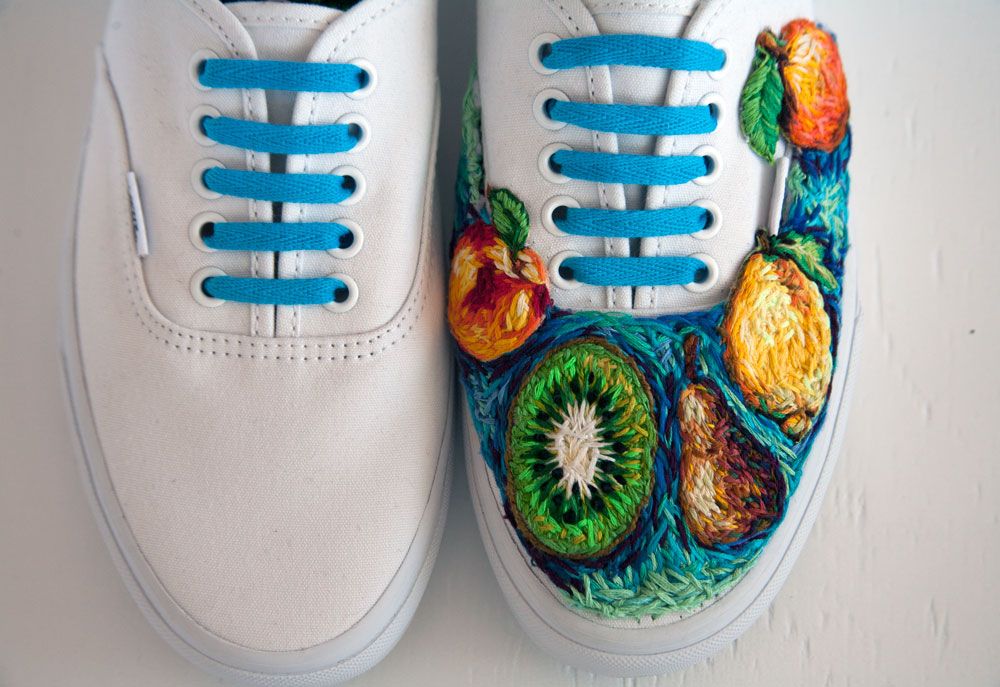
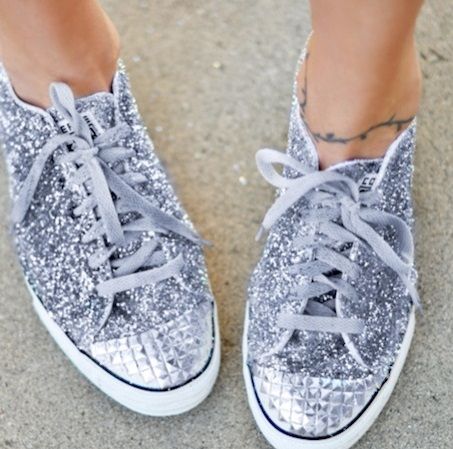

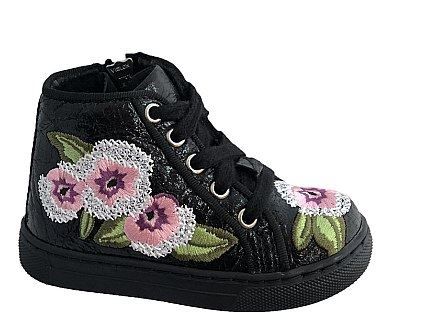


The toe area usually takes the most wear on children's shoes. On leather shoes, a repair compound sometimes sold as "liquid leather" may camouflage minor scuffs if the colour is a close match. It does not restore structural damage or make footwear safe.
An adult should follow the product instructions, test it on an inconspicuous area, work in ventilation as directed, and keep the product away from children. Do not use it on the sole, tread, or inside of the shoe, and check that the repair has not changed the fit or flexibility before the child wears the shoes.