
Distressing Wood at Home: Archive Safety Notes
This archived wood-distressing method uses flame, dust, wire brushes, and finishing chemicals. Work outdoors or with effective ventilation; use suitable eye, respiratory, and hand protection, follow each product label, and keep torches, oily rags, solvents, and finishes away from flame, heat, and children.
To create a loft-style interior, it is simply essential to include intentionally rustic wooden pieces in a living space, giving them a well-worn character. Distressing wood is perfect for this. Even though I am not a fan of the loft style in its pure form, I would gladly adopt certain elements of it.
I suggest trying your hand at burning and wire-brushing wood—it turned out to be exciting and not difficult at all. On the downside, you will have to spend money on materials. On the plus side, some of them can be replaced with alternatives to make the process as inexpensive as possible. It is best to work with a regular pine board: it responds well to distressing and is inexpensive.
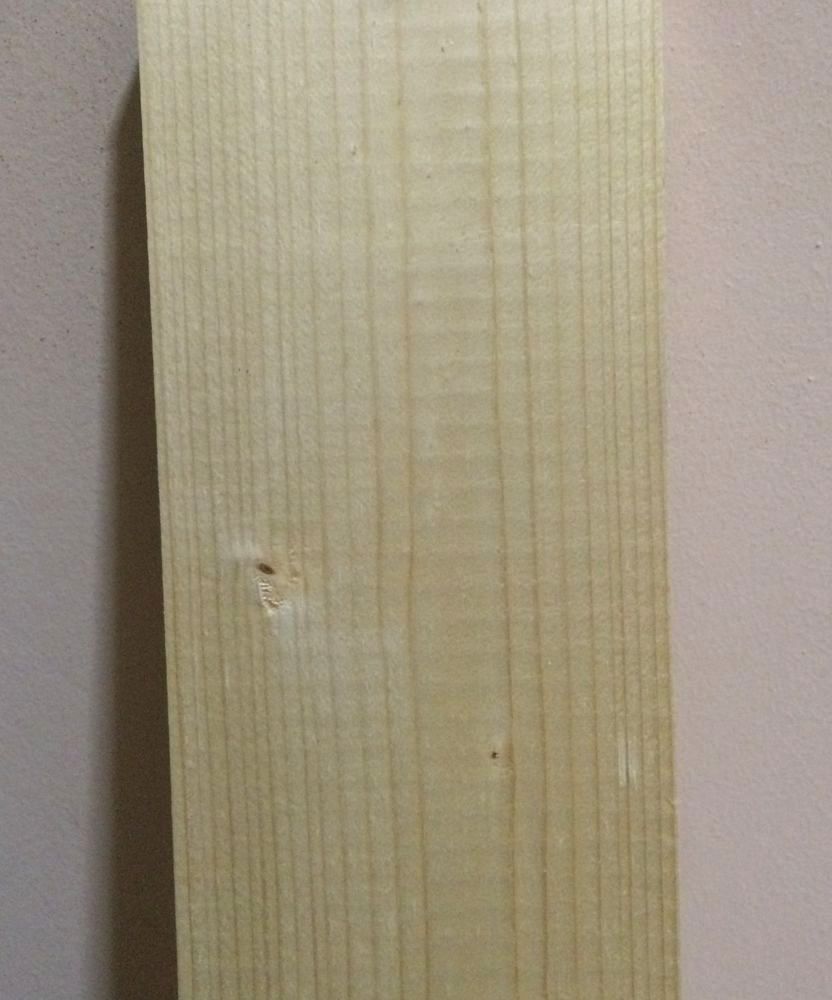
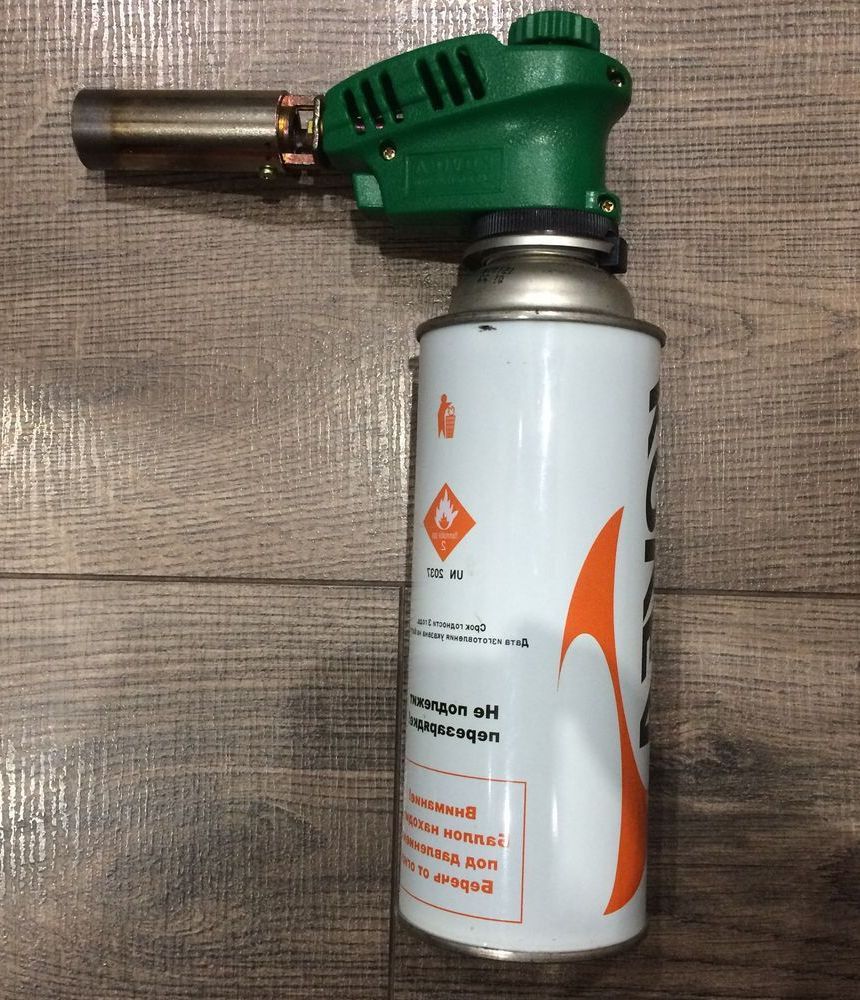
For the first stage, you will need a gas torch. You can purchase it at a camping supplies store.
You need to burn the board thoroughly so that the soft textures burn through completely.
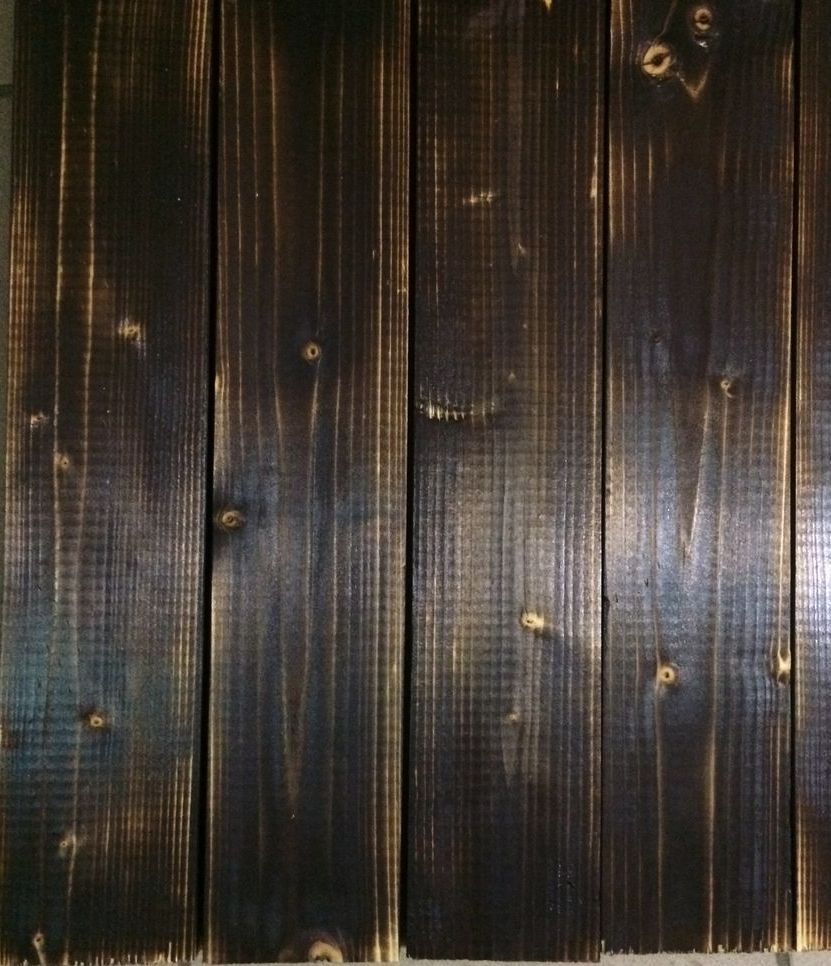
They will turn into soot, which we will carefully remove using a stiff wire brush wheel (if you need it done quickly) or a regular wire brush by hand. At the same time, we follow the main rule: move strictly along the grain.
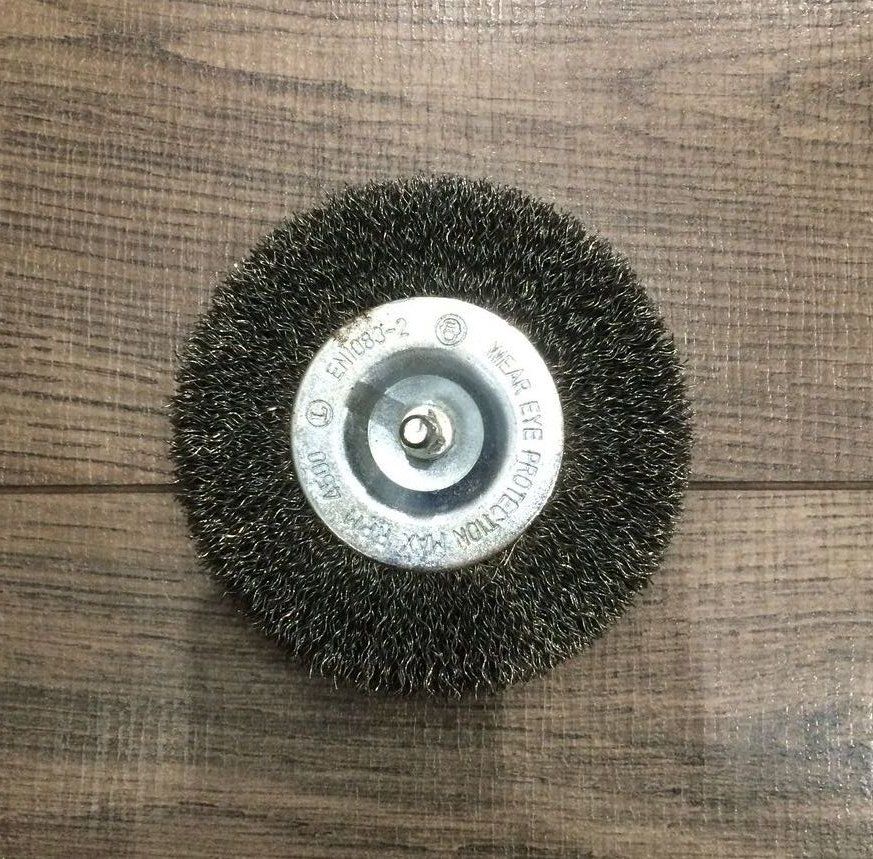
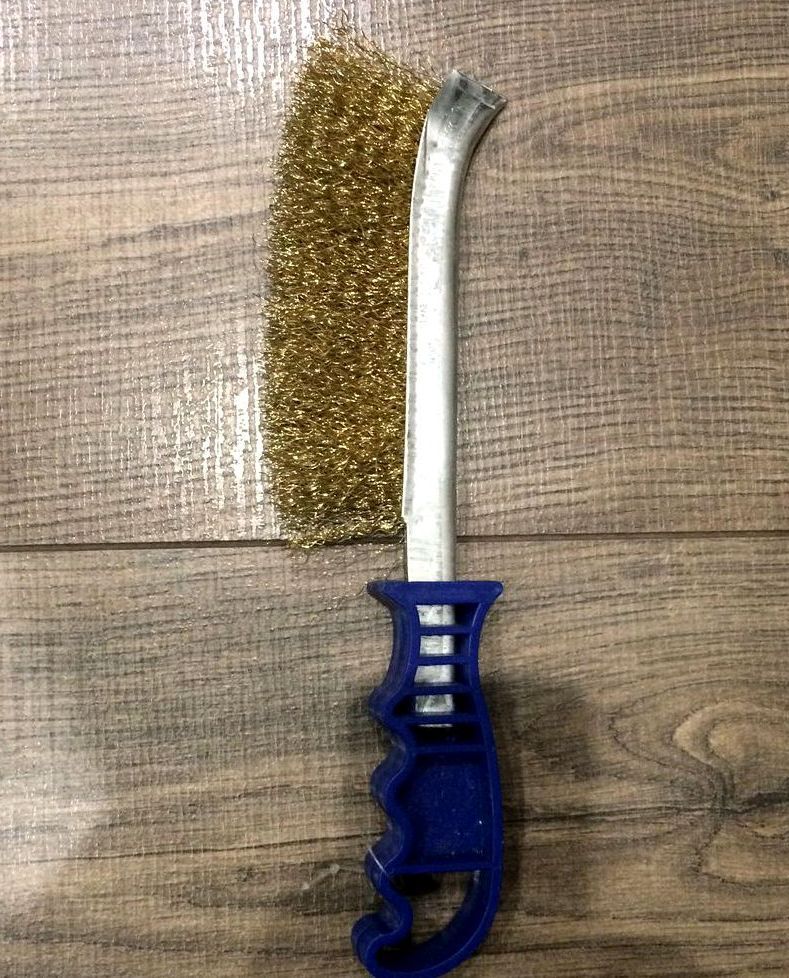
Using a wide brush, and then a soft cloth, we clean off the shavings and soot, revealing the raised wood grain.
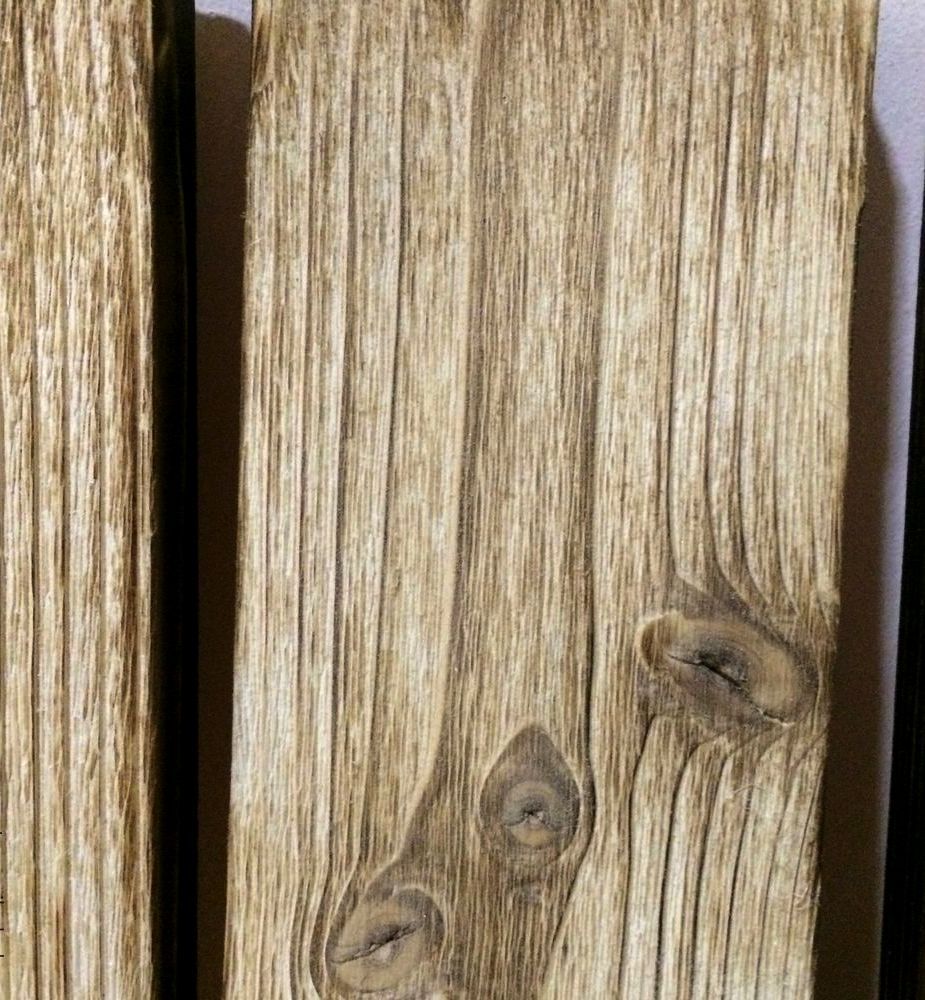
Now you can coat the already wire-brushed wood with a special oil—colored or clear. Osmo oil is ideal for this.
It allows you not only to highlight the wood structure, but also gives the layers a soft tint.
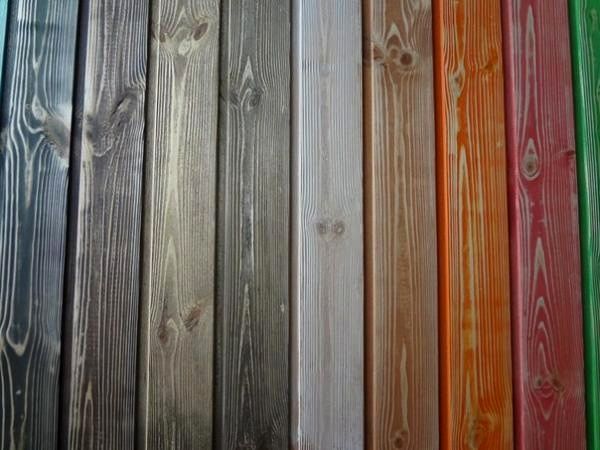
We apply the oil coating and wait for it to dry slightly (2-3 minutes).
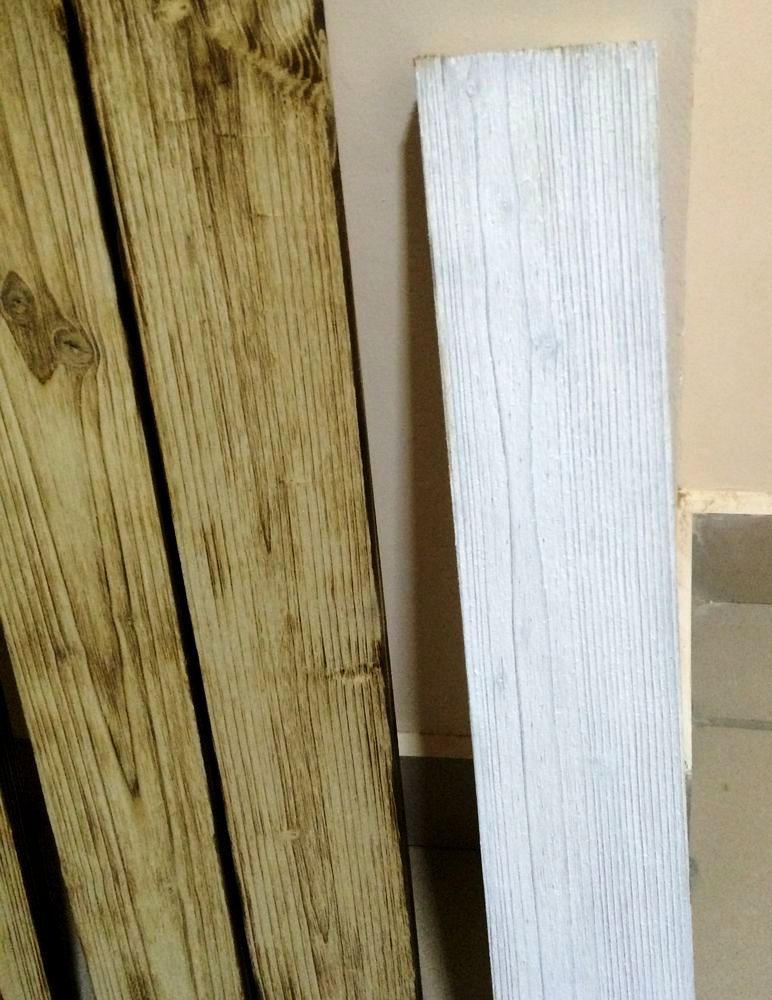
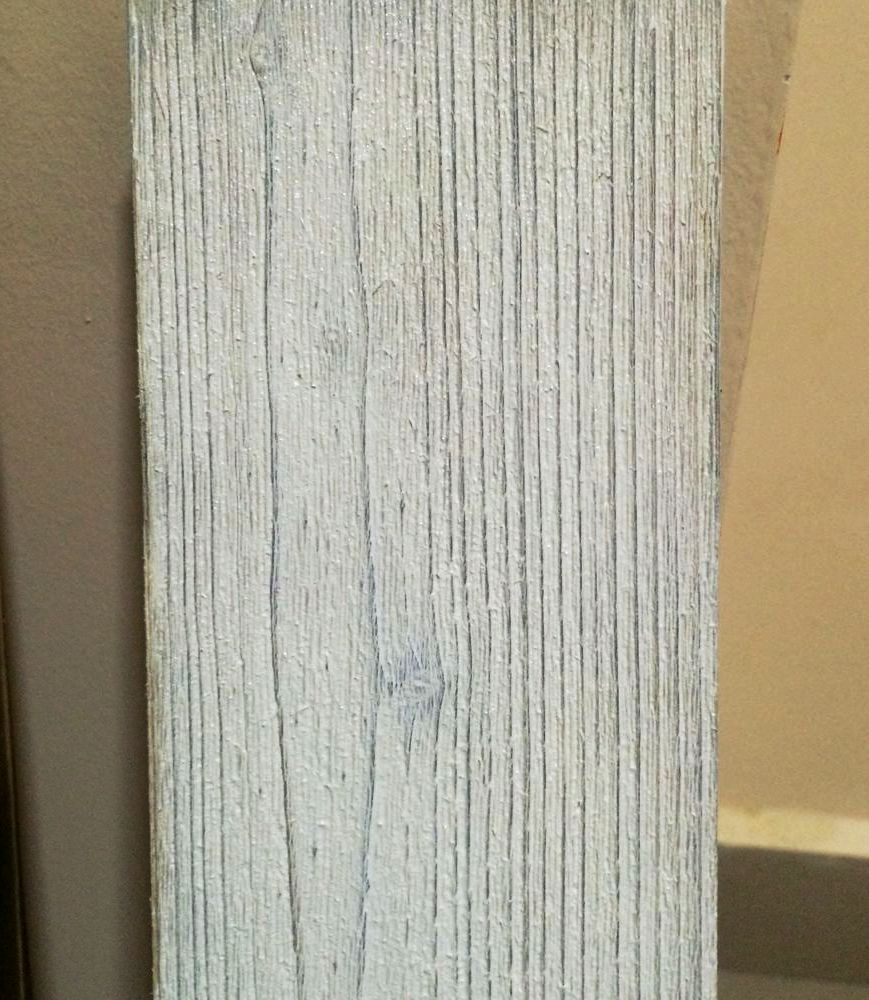
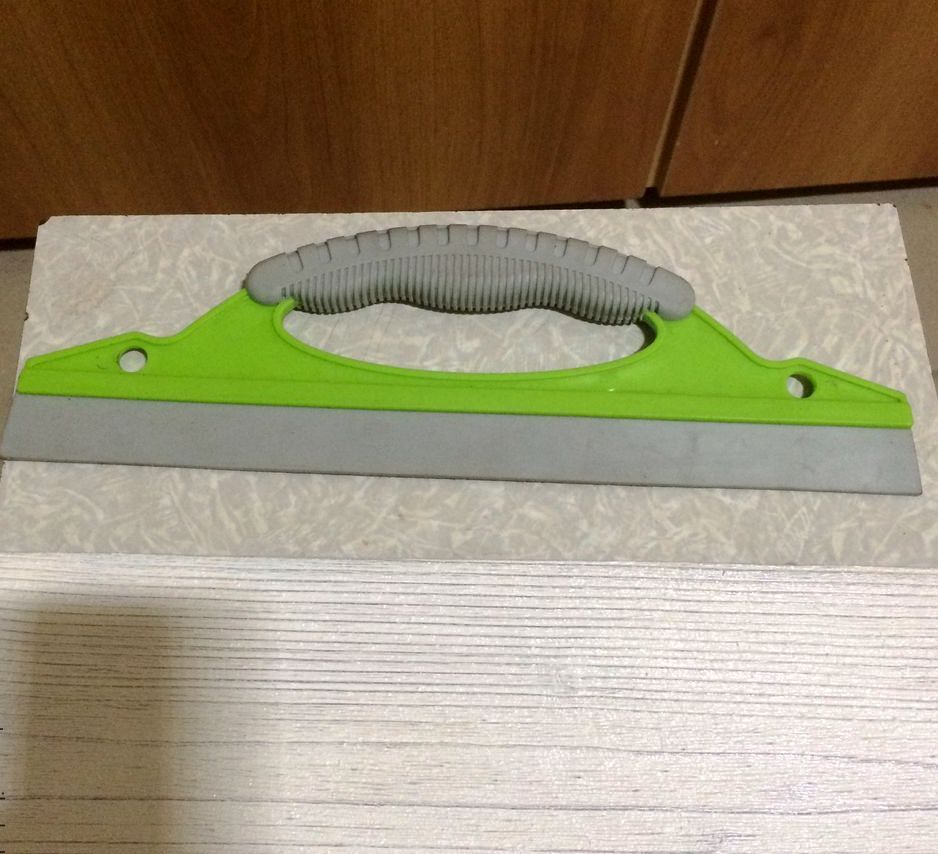
Now comes the most interesting part: using a rubber window squeegee, we remove the excess oil. The hard grain is exposed, making the surface textured. The oil tint remains in the lower layers, highlighting the contrast between the levels.
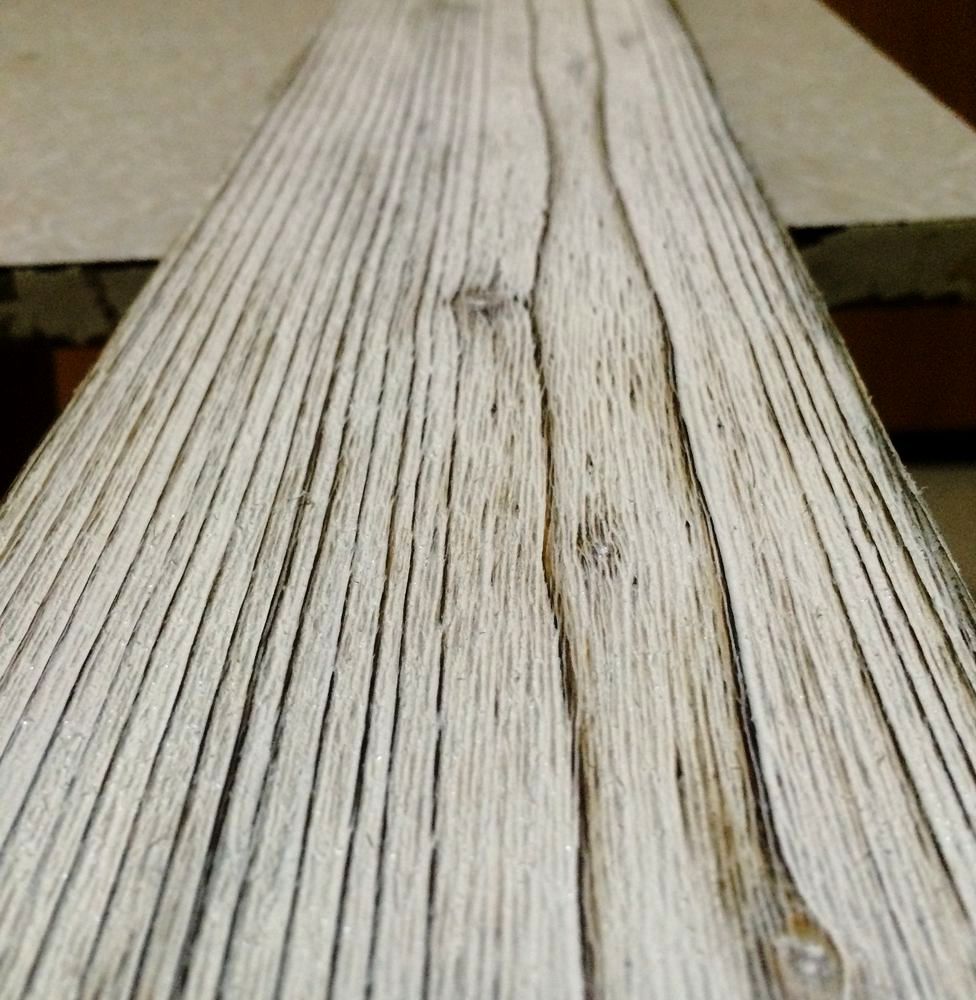
After these simple procedures, an ordinary pine board looks stylish and at least an order of magnitude more expensive.
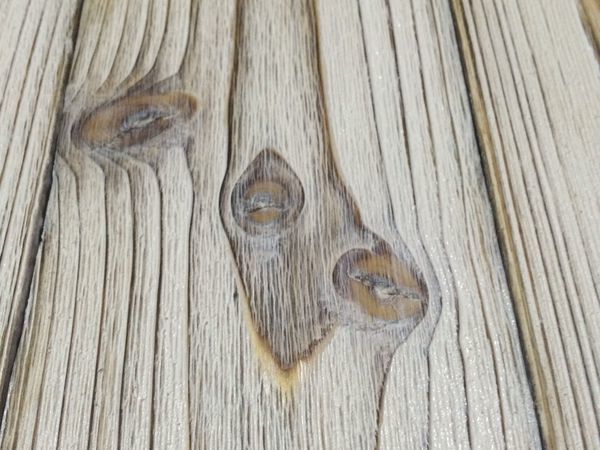
On the downside: Osmo oil is a professional product and is not cheap. You can replace it with linseed oil—that is how our great-grandfathers treated wood. The texture will be simply clear, without coloring, but it will be able to highlight the grain. Maybe someone knows other finishing options—I would be grateful for useful information! 🥰


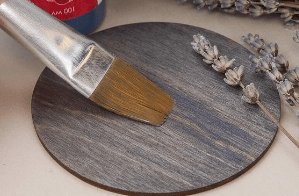


The colour is lovely, but for me it lacks texture: the wood remains flat and the grain cannot really be felt. There is a reason people brush it out with a wire brush.