
5 Ways to Paint Pinecones – Which One to Choose?
Not long ago, I got inspired to make this striking candle holder for the winter holidays:

It can be placed on a windowsill, a mantelpiece, or even a festive table. But, as you can see, you need special pinecones. I found many options online for repainting and even bleaching them. I want to share this info and ask for advice—maybe someone has already tried something similar.
## 1. Acrylic paint/gouache.


The most economical painting method is using a foam sponge: pour paint onto it and press the pinecone into the sponge from different sides. Regular brushes are also used: the pinecone gets painted more deeply and without gaps. If you don't need to save on materials, you can attach each pinecone to a wire and simply dip it into a jar.
## 2. Aerosol sprays.

The pinecone is painted easily and quickly, but not everywhere. To reach all the crevices, you will have to change angles many times.
## 3. Glitter dusting.

The pinecone is pre-treated with PVA glue and generously sprinkled with glitter. You can also use hairspray: small particles stick to it perfectly as well. A final coat of varnish is mandatory so the glitter doesn't shed later.
## 4. Wax coating.
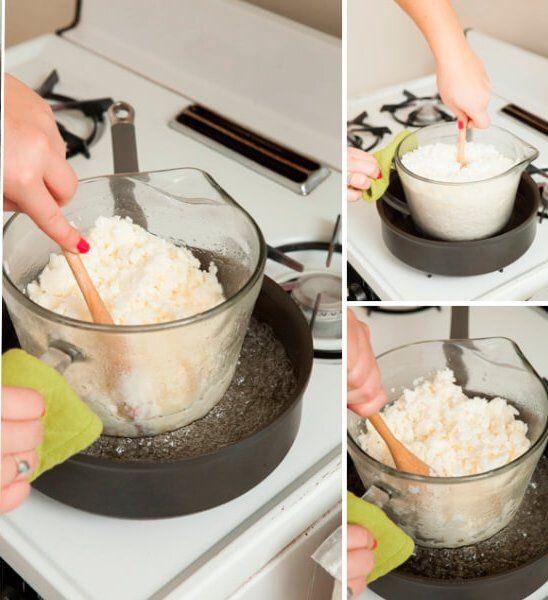


A rather labor-intensive but effective method that involves melting wax in a water bath and then mixing in dye. Dip the pinecones into the resulting mixture in several stages with intermediate drying.
## 5. Bleaching with chlorine.


Pinecones are soaked in any bleach for a day or two, fully submerged. Be mentally prepared that not all specimens will bleach, and even after repeating the procedure, the pinecone won't become stark white. Expect a soft milky shade.
Ladies, has anyone tried these processing methods?


Oh, I remember how much I struggled with painting pinecones. I wanted to do everything perfectly, to cover them completely. It turned out, to put it mildly, not very well. I tried acrylic, gouache, and water-based paint. The color was very dull and ugly, and even worse after it dried. In the end, my attempts were only successful when my husband told me to get a primer and paint only after priming. And I can confirm that it works. It allows the cone to absorb very little paint and makes the coating very adhesive. And because less was absorbed, the consumption is lower, and the color is bright after just 2 coats.