
Choosing Yarn for Children’s Knitted Toys Safely
I was inspired by small knitted and crocheted toys, often called amigurumi, and wanted to make something for my children. Choosing yarn is only one part of the decision: a toy for a child who mouths objects must be designed, made, and maintained with safety in mind.
Cotton, acrylic blends, and stretch yarns can all behave differently in a toy. A fibre name or bright colour does not by itself make a toy safe or suitable for a particular age. Check the yarn label and care instructions, choose materials intended for the planned use, and make a washable test piece if that matters to your family.
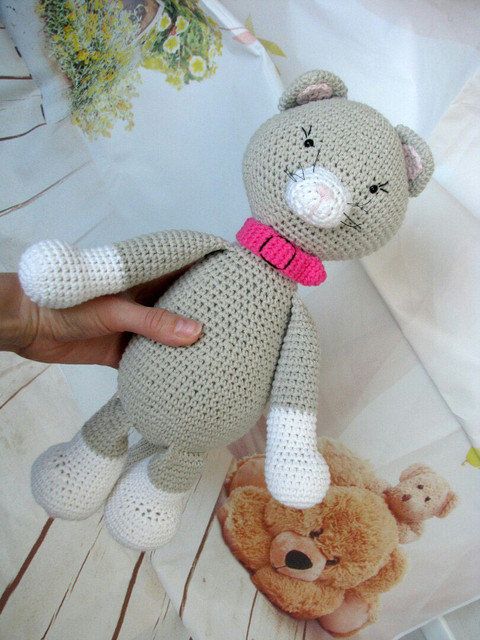
Mercerised cotton holds its shape well but can make a firmer toy. That can be useful for small decorative makes, while a larger toy should still be soft enough for its intended use and free from hard or detachable parts.
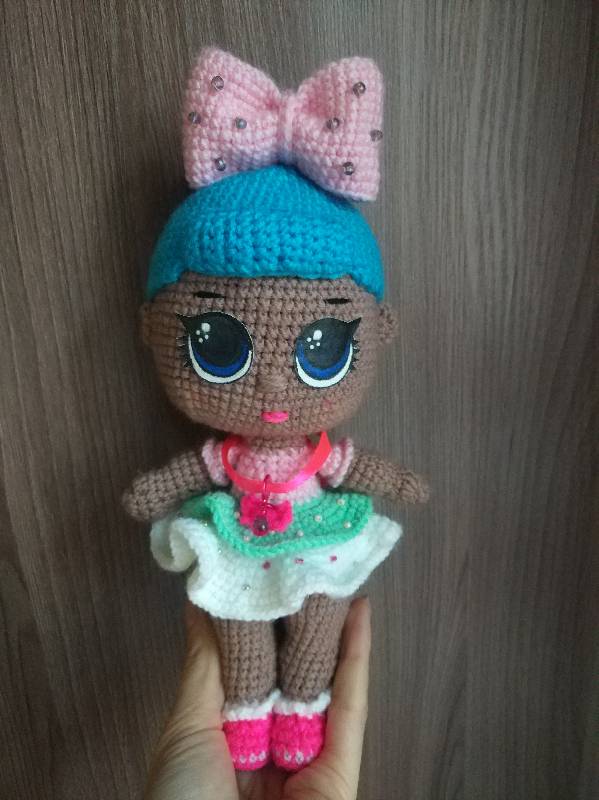
Fluffy or eyelash yarn can make a soft-looking toy, but loose fibres are unsuitable where a young child may pull at or mouth them. Avoid them for that age group rather than assuming a child will simply not swallow the fibres.
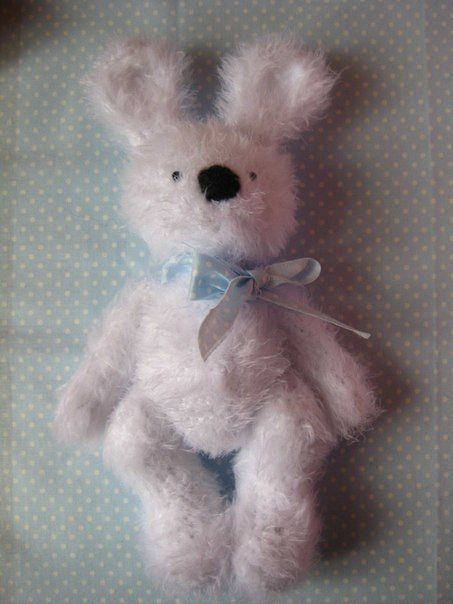
A cotton-and-stretch blend is another option, but it does not guarantee that stuffing will stay inside. For any child’s toy, use dense stitches and secure seams and filling. For a child under three, avoid small eyes, buttons, labels, and loose decorations that could detach; inspect the toy regularly and remove it from use if filling, fibres, or parts become accessible. A soft toy is not a sleep product and should not be left loose in an infant’s sleep space. Which yarn and construction methods have worked well for you?
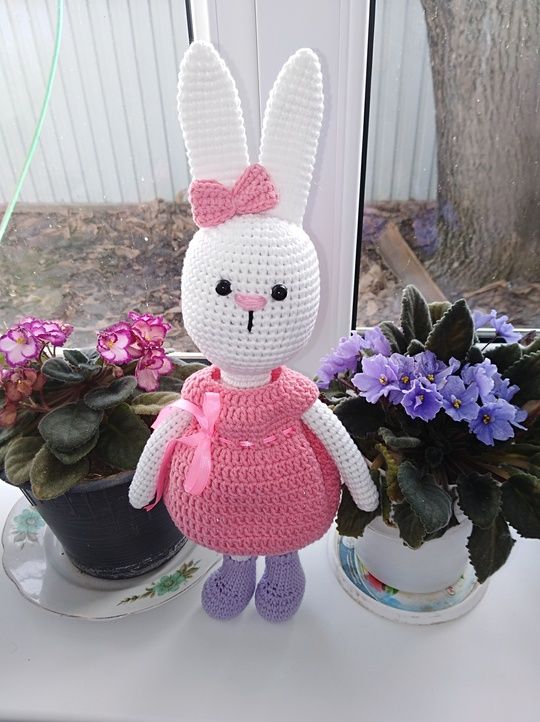
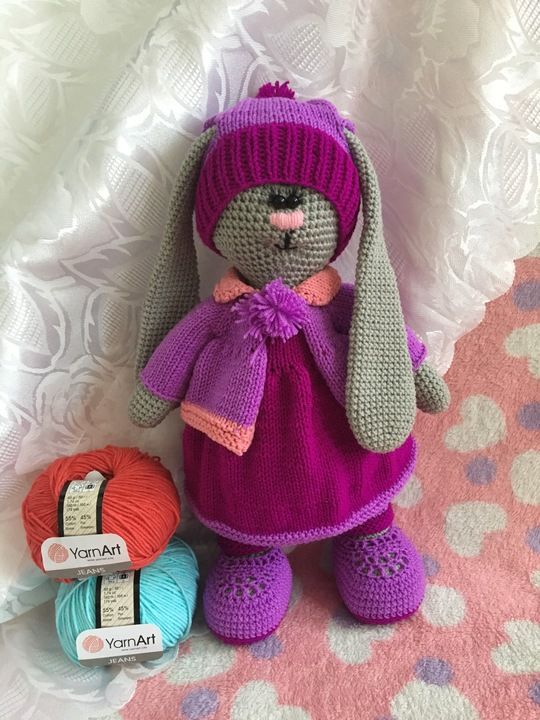


Besides cotton, I like a 55% cotton and 45% polyacrylic blend. My preferred weight is 160 metres per 50 grams. It comes in many shades, including skin tones useful for dolls. I find it soft, stable while working, and a little firm. [Editor’s safety note: These are personal handling observations; material composition alone does not establish toy safety for a child.]