
DIY Aroma Pendant: A Decorative Polymer-Clay Craft
An aroma pendant is a decorative craft with a scent, not a way to prevent or treat viral or bacterial illness. It does not replace evidence-based public-health or medical advice.
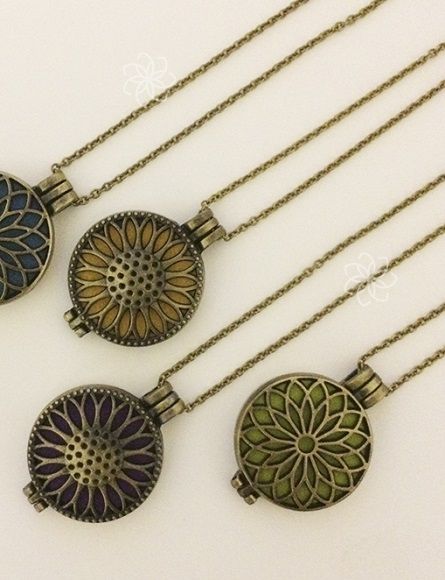
What are aroma pendants? They can look like lockets consisting of two halves, inside of which pieces of felt are placed and infused with an aromatic blend.
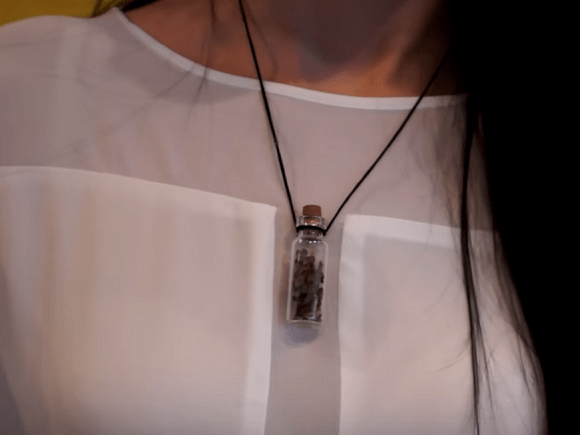
Tiny vials or bottles with felt balls containing aroma oil inside look very original.
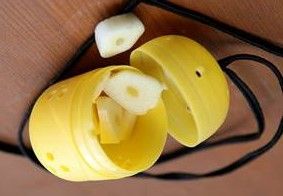
Corded pendants and small parts are not suitable for young children without constant adult supervision because of entanglement, choking, and ingestion risks. Do not put essential oils, garlic, or other substances inside where a child could inhale, swallow, or put them on skin.
These options can be decorative and pleasantly scented, but they do not protect against harmful external influences or illness. Here is a creative polymer-clay or salt-dough pendant instead.
What you will need
- A piece of clay in the desired color.
- A drinking straw.
- A silk or leather cord.
- A handmade or store-bought stamp.
- A blend of essential oils.
## How to make the pendant
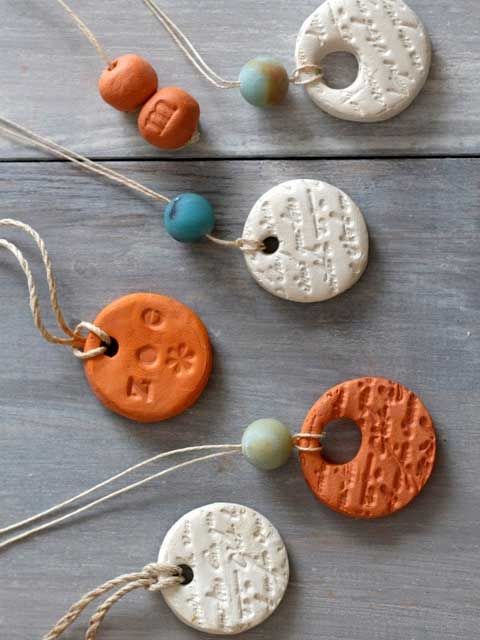
Knead the piece of clay thoroughly in your hands. Roll it out into a sheet 5 mm thick. Cut out circles with a round cutter (shot glass). Using a stick or a drinking straw, make a hole in the upper part. The cord will be threaded through it.
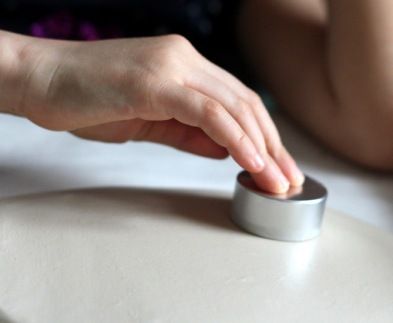
Next, we proceed to decoration. Using a stamp, make an impression or try "scratching" an inscription with a sharp stick. In the same way, you can make "aroma stones" that are poured into a glass container to scent a room.
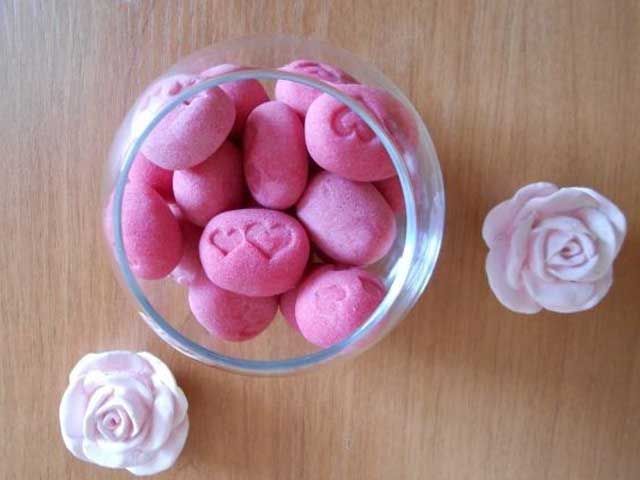
All that is left is to bake the clay at the temperature specified in the instructions.
Which essential oil is suitable for an aroma pendant
Essential oils do not destroy viruses, treat colds, or work as hand antiseptics. They are concentrated substances that can irritate skin and eyes or trigger sensitivity, and they can be harmful if deliberately inhaled or swallowed, especially by children.
- Do not use pine, mint, lemon, tea tree, rosemary, fir, bergamot, or elderberry oils as disease prevention or treatment.
- Do not apply essential oils to skin, eyes, mouth, or hands, and do not deliberately inhale them.
- If you choose a fragrance product for a craft, use only one intended for that purpose, follow its label, and keep it away from children and pets.
You can leave the pendant unscented. If you choose a suitable ready-made fragrance product, use it only as its label directs, keep it out of reach of children, and stop if it causes irritation or discomfort.


I would avoid using essential oils as treatment, prevention, or hand antiseptic. They are concentrated substances and can irritate skin and eyes, trigger sensitivity, and be harmful if inhaled or swallowed, especially for children. If someone chooses a fragrance product, they should use only a product intended for that purpose and follow its label; for illness concerns, seek appropriate medical advice.