
Two-thread and three-thread knit: what are these fabrics?
When shopping online, we naturally pay attention to the fabric of the garment. While satin or silk are straightforward, the mysterious terms "two-thread" or "three-thread" often leave us puzzled.
So, what exactly are these fabrics?
Two-thread knit

This is a knitted fabric. It has a smooth surface on the right side and a looped texture on the reverse, created by two-thread loops on the back. It is produced on specialized knitting machines, where high-density backing yarn is added to the reverse side. It feels similar to flannel-lined knitwear.
Two-thread knit can be made from natural fibers like cotton, or with synthetic additives like polyester and elastane.
It comes in solid colors or prints, with or without a brushed finish. The fabric's properties depend on its composition. Pure cotton two-thread knit is breathable, warm, and hypoallergenic.
Three-thread knit
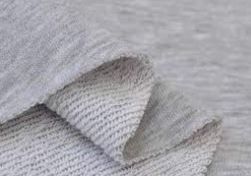
This type of fleece fabric uses three yarns: a base jersey yarn and two backing yarns. The base yarn creates a smooth surface, while the backing yarns, laid in loops on the reverse, create the pile.
Three-thread knit is a soft, warm fabric with a fluffy brushed finish, and it is quite elastic.
The composition of three-thread knit is at least 80% cotton, with additives like viscose or polyester.
Three-thread knit retains heat well, is hygroscopic, highly durable, resistant to abrasion and deformation, and does not pill.
Among the drawbacks of two-thread and three-thread knits are: due to the high cotton content, the fabrics can shrink when washed and may fade in the sun.
For care-related shrinkage checks, the guide on washing mink down and angora garments is also useful before working with delicate knits.


It's embarrassing to admit, but my criteria for distinguishing them are quite primitive: three-thread is denser than two-thread. That's all 😄 Oh, and you can also tell by the reverse side – the three-thread one is thick and fleecy 😍