
How to calculate yarn consumption for knitting and avoid mistakes
Calculating yarn consumption for knitting can be tricky, even for experienced knitters. I use a few methods to figure this out:
1. The yarn label.
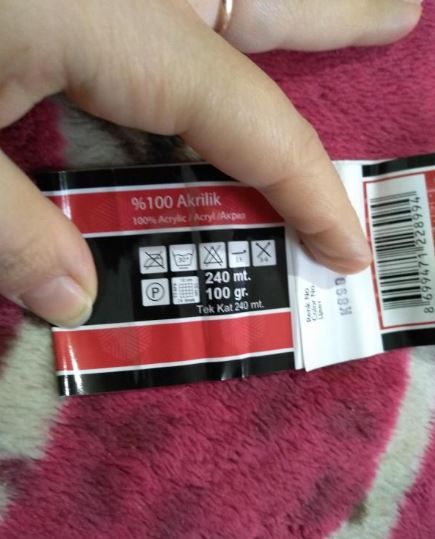
It contains essential data: ball weight and yardage. This is very important, because 100g of angora might have 650m, while 100g of acrylic might have 240m. Accordingly, based on my observations, a size 46-48 sweater will require approximately 350g of angora and 550g of acrylic. The difference is significant.
Many manufacturers provide a hint by indicating the number of stitches in a 10x10 cm swatch, the recommended needle or hook size, and the number of balls needed for a size 48 pullover. You can use these figures as a rough guide, but keep a few things in mind.
2. Stitch pattern
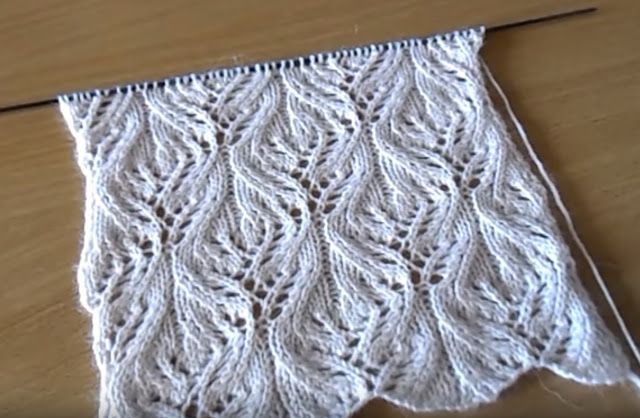
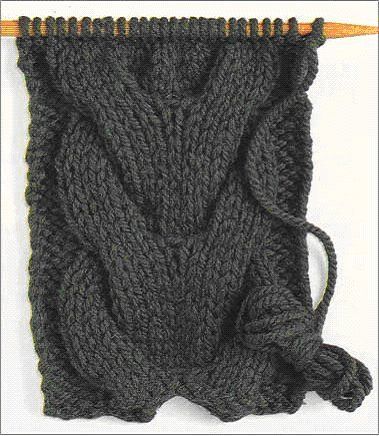
Yarn consumption is directly related to the chosen pattern. Simple stockinette stitch is considered the most economical; lace patterns use more yarn, and cables and twists use significantly more. Therefore, if you are knitting a cabled sweater, add 70-100g to your estimated consumption.
3. Needle size
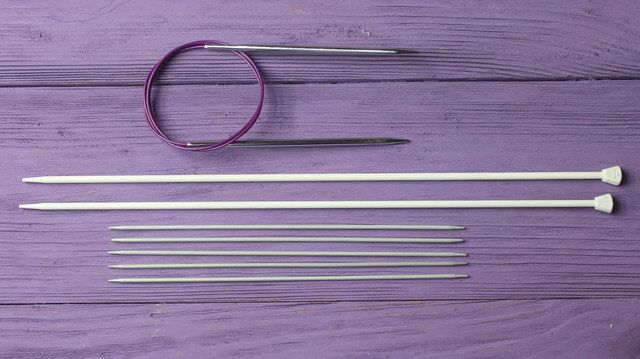
Manufacturers usually indicate the optimal needle or hook size for a specific yarn. If you choose a larger size, consumption will decrease. If you choose a smaller size, it will increase.
In any case, always buy extra yarn—it is better to have half a 100g ball left over than to run out of yarn for one sleeve or the neckline.


