
Sévigné, Fibula, or Dress Clip: How to Choose a Brooch
Originally, the word "brooch" came from the French "broche", literally meaning "an item with a long needle". But in reality, there are many ways to fasten a brooch to clothing, and it is important to consider not only the design but also the type of clasp from the start. Here, I am talking specifically about design. I will cover clasp types in part two—it is impossible to fit everything into one post 😉
Here are some of the most common brooch styles: fibula, boutonniere, badge brooch, dress clip, chatelaine brooch, cameo and intaglio, Sévigné, and safety-pin brooches.
Quite a list, wouldn't you agree? 😀 Now let's go through them in order.
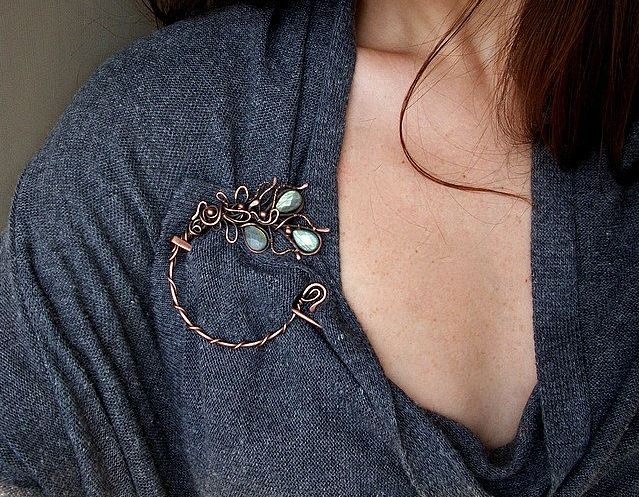
Fibula—usually metal, crescent-shaped, with a pin on the loop.
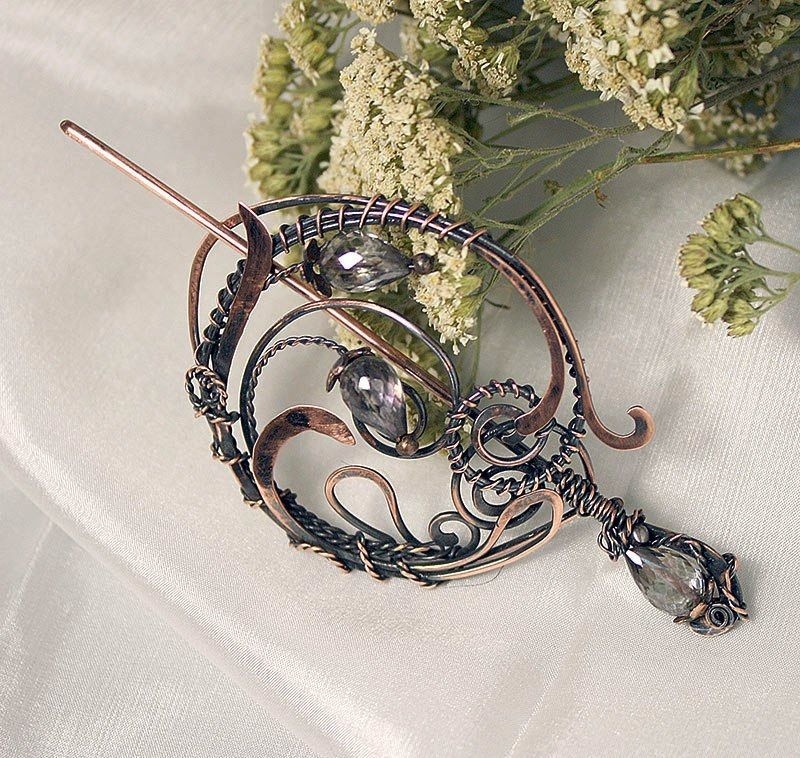
It looks mysterious and elegant on clothing, with a distinct vintage touch.
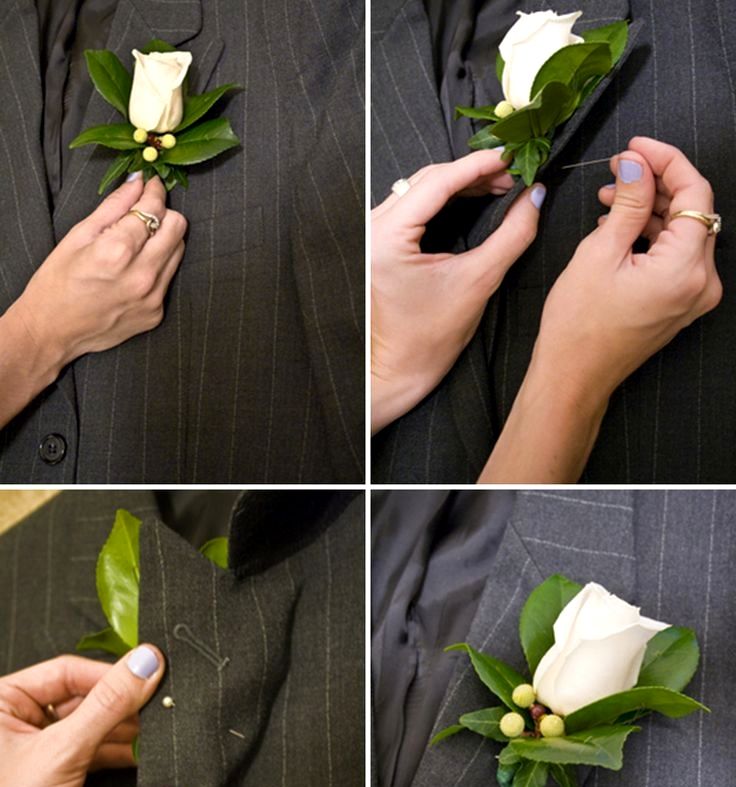
Boutonniere—previously, this was exclusively a men's brooch worn on the coats of wealthy gentlemen. As a rule, it was a small posy on a stem, inserted into a lapel buttonhole.
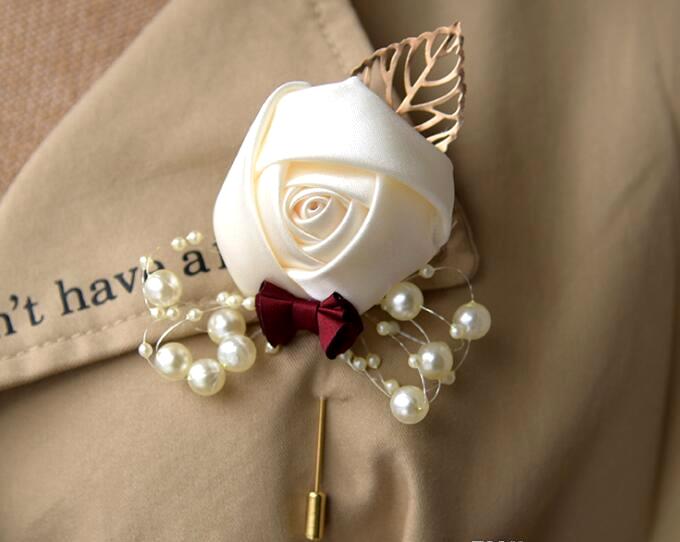
Today, it is a popular wedding accessory and is often fastened with a standard pin.
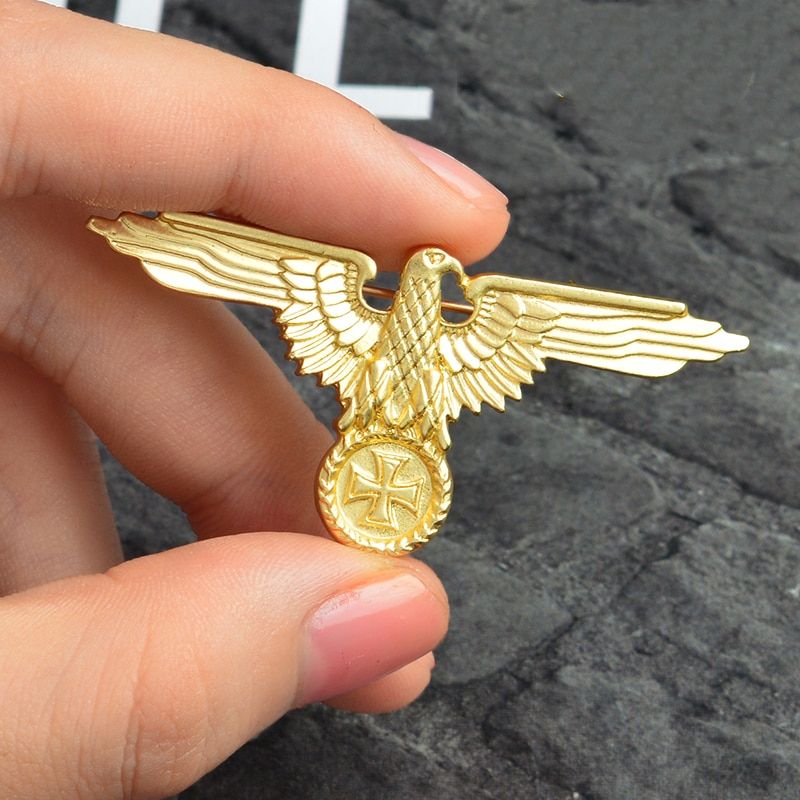
Badge brooch—one of the more recent jewelry styles. It consists of a flat plate with a clasp and is often used to signify membership in an organization (think back to Soviet times) or as a souvenir of an event or place. Here, for example, is the infamous Reichstag eagle badge.
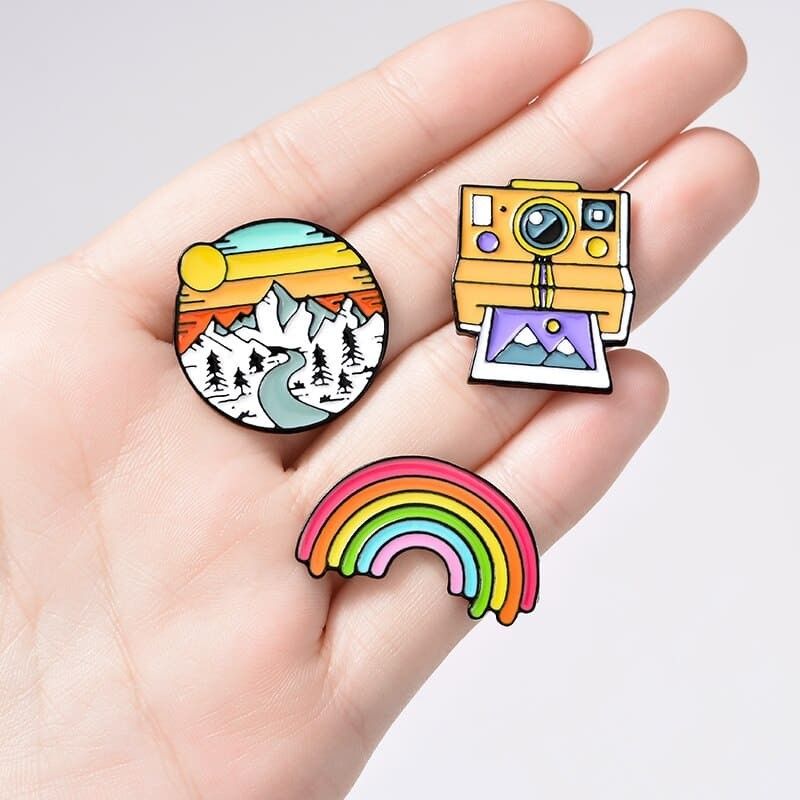
Badge brooches for children are especially common today. ))
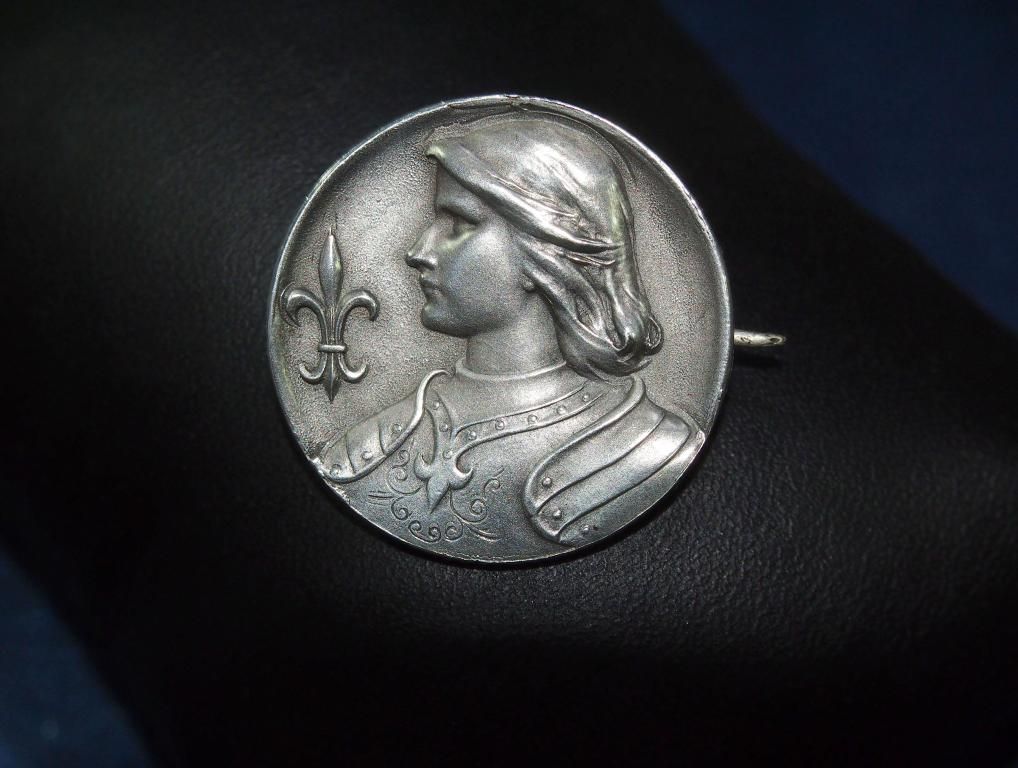
Badge brooches also existed further back in history, though less often. The earliest one I have come across was issued in memory of Joan of Arc, the Maid of Orleans (early 19th century).
Dress clip—a piece of jewelry with a clip, simple yet striking.
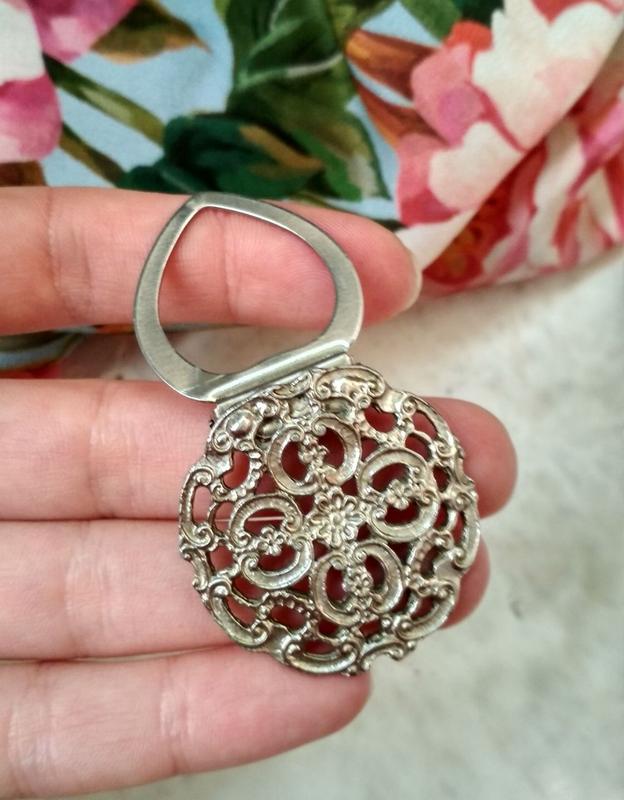
In the past, they were used in pairs, especially on dress straps.
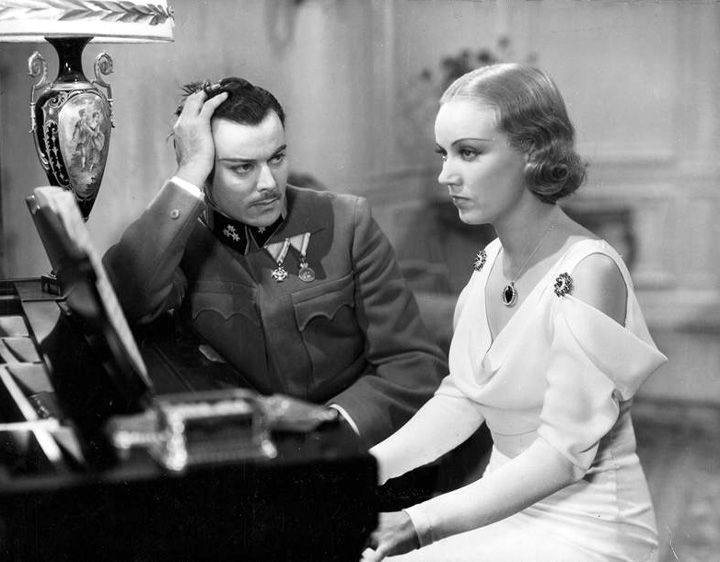
Even today, these brooches remain very popular.
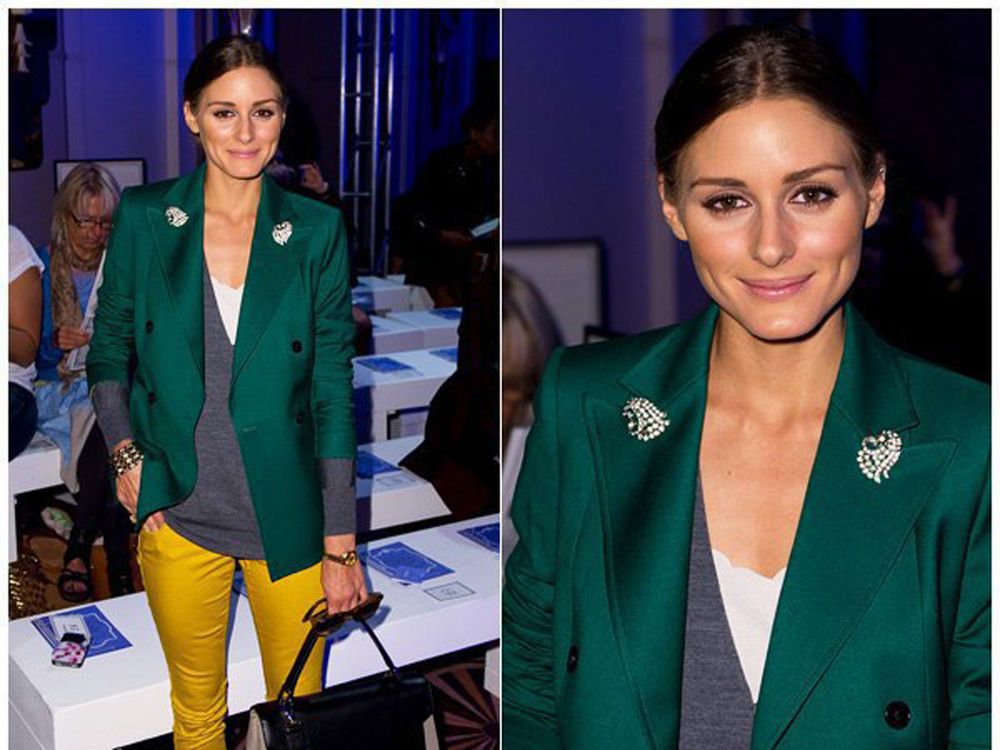
Chatelaine brooch, one of my favorites 😍 The chain connecting two parts of the jewelry is its distinctive feature.
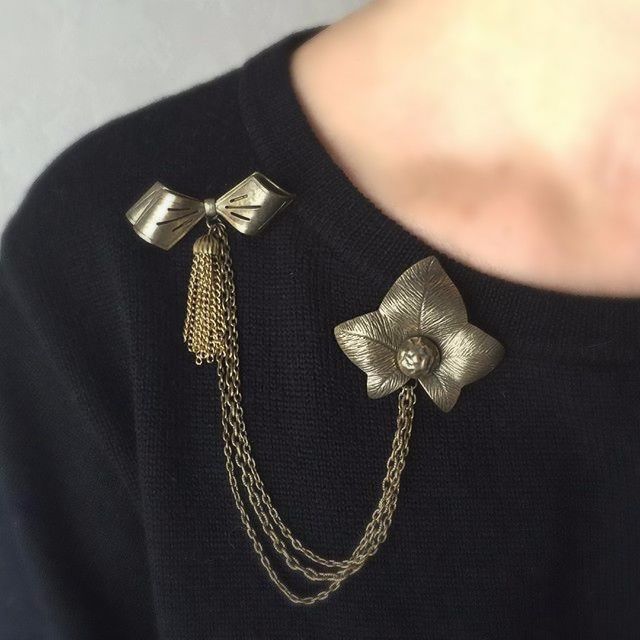
It is often used in business dress codes. It attaches with either clips or miniature clasps.
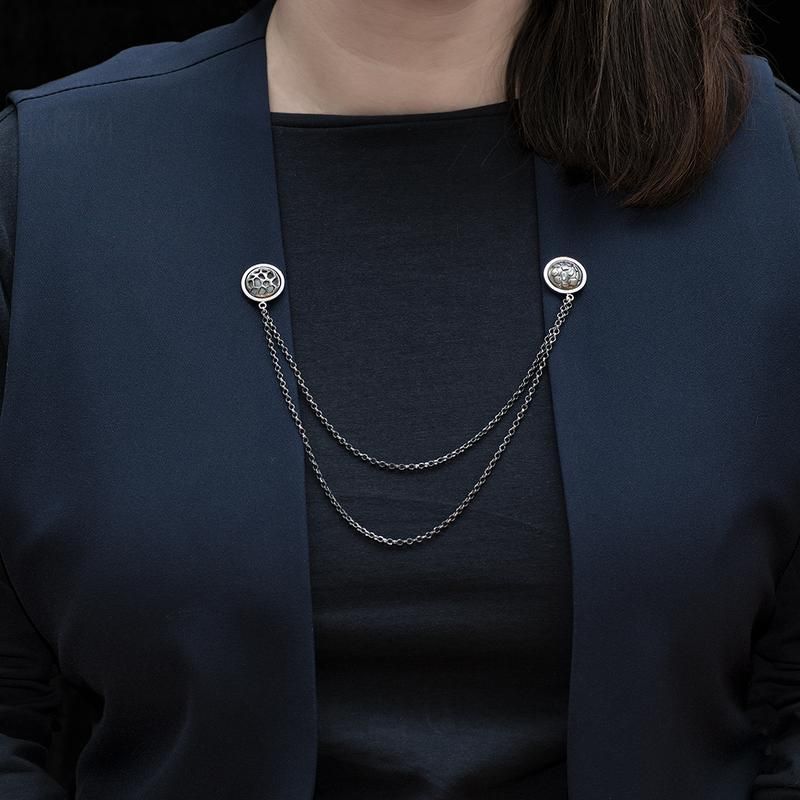
The chain does not have to be made of metal; it can be made of beads, and the two parts of the brooch do not have to be identical.
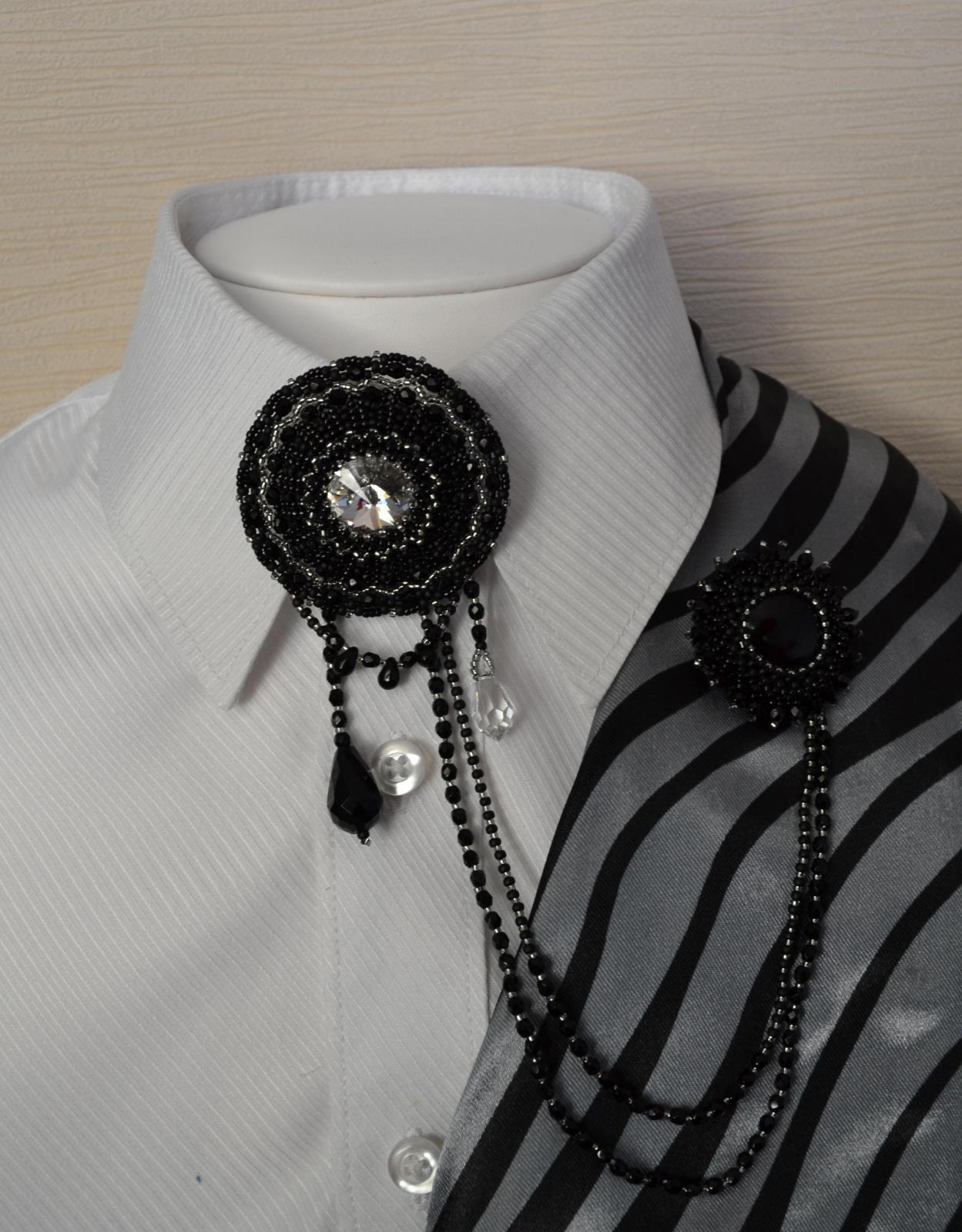
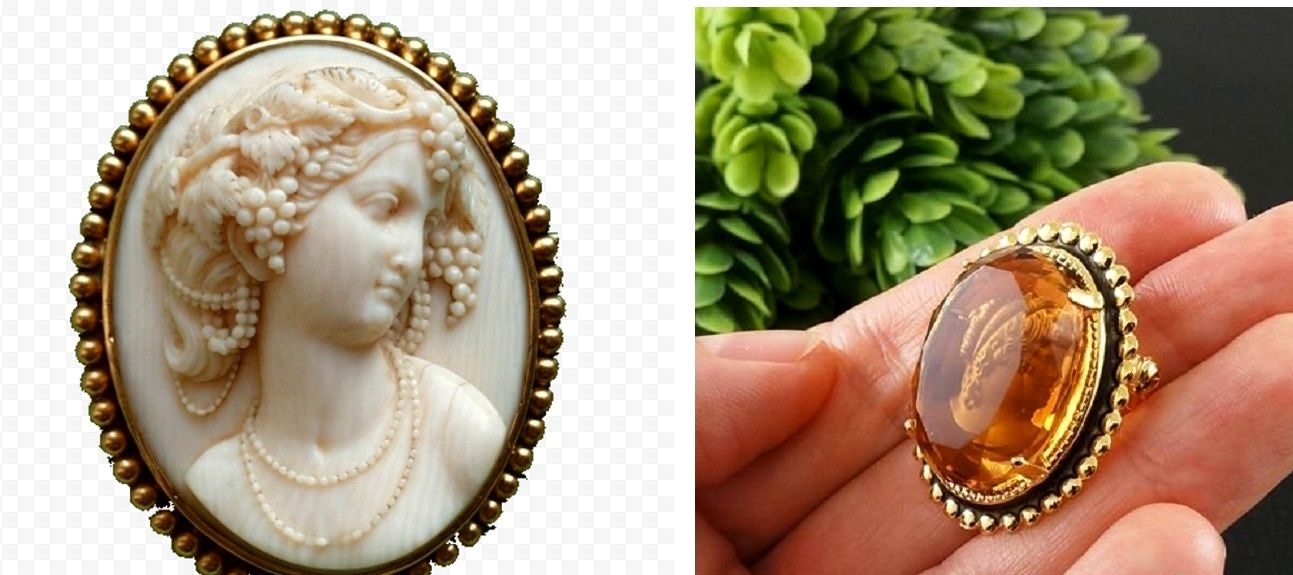
Cameos/intaglios—brooches featuring elegant female profiles. While a cameo is a raised relief image with many textured details, an intaglio (anticameo) is a completely smooth or even slightly concave surface.
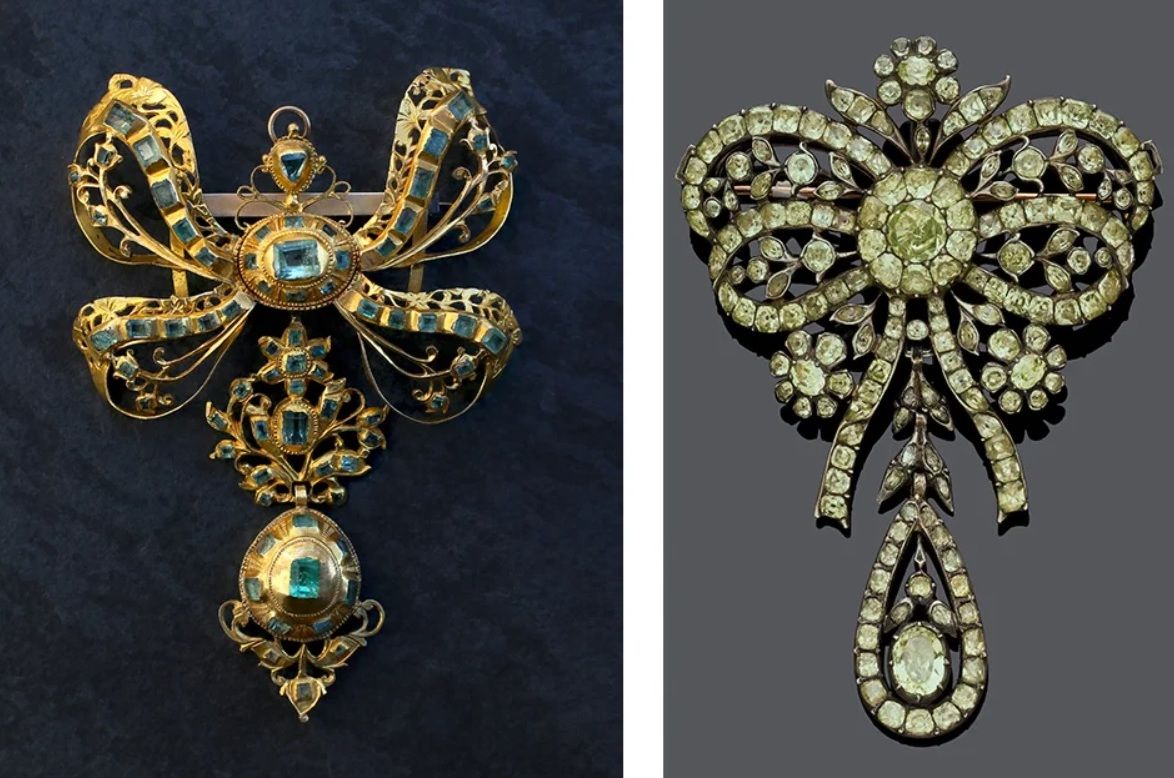
Sévigné brooch—one of the oldest styles, frequently found in 15th- to 17th-century engravings. It is easy to recognize by its flirtatious bow shape.
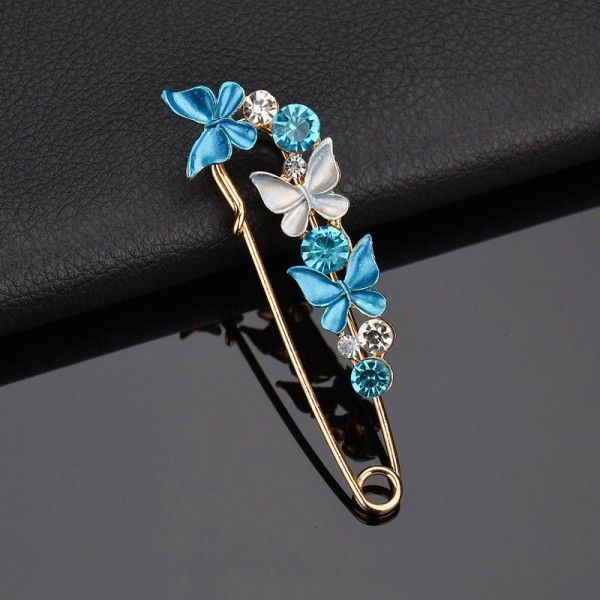
Safety-pin brooch—the name speaks for itself. )) You can choose an understated office-friendly version.
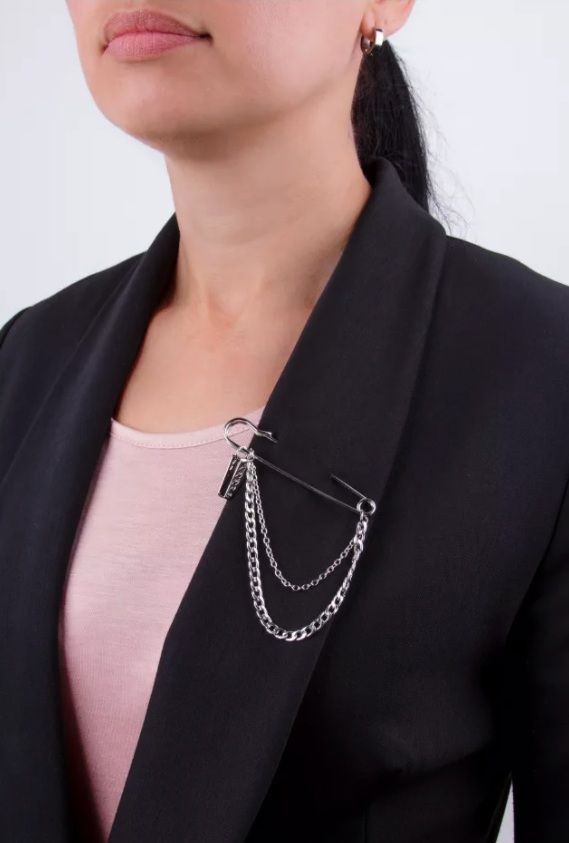
Or one with a romantic pendant 😉
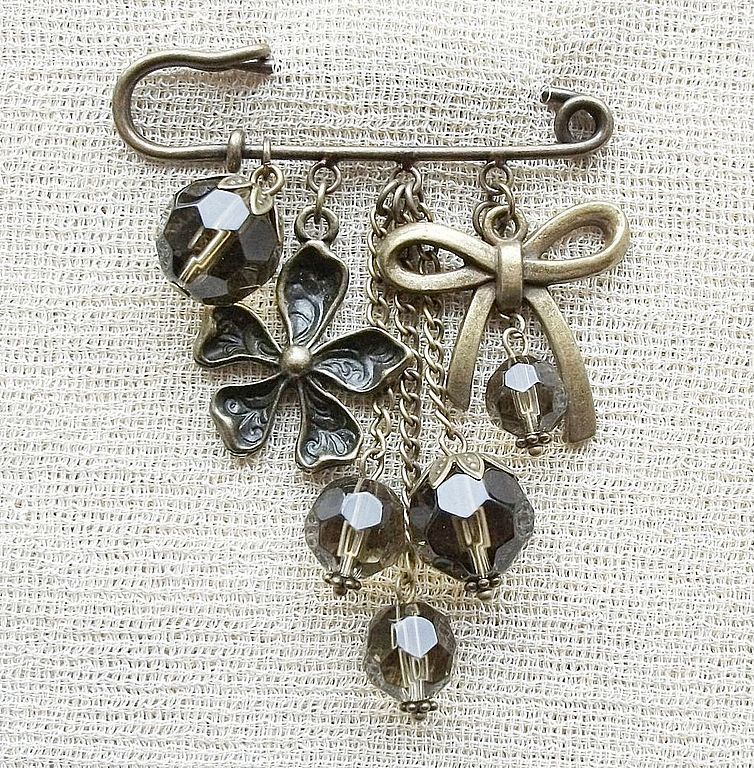
The metal can be any colour, and the brooch can also incorporate ceramics and gemstones. :sneaky:
That concludes this overview. Thank you all for your attention 😘


I find clip-on brooches the most practical: they usually hold well on different fabrics, and you do not need to pierce the material. 👍