
Laminating Fabric at Home With Iron-On Vinyl
This archive post describes laminating natural fabric with iron-on vinyl. A friend tested the method and shared the video linked below.
A suitable film can help fabric hold its shape while remaining flexible and may make the surface more water- and dirt-resistant, so it can be easier to wipe clean. Results, washing durability, and suitability for embroidery vary by the film and fabric.
Laminated embroidered fabric can be used for projects such as a notebook cover, make-up bag, or tote. The coating may help protect the embroidery from scuffing, but it does not make it indestructible.
Choose an iron-on film that its manufacturer states is compatible with your fabric. Read the product instructions first: the heat setting, pressing time, use of a release sheet, and after-care differ between products. Test a small offcut before working on an embroidered piece.
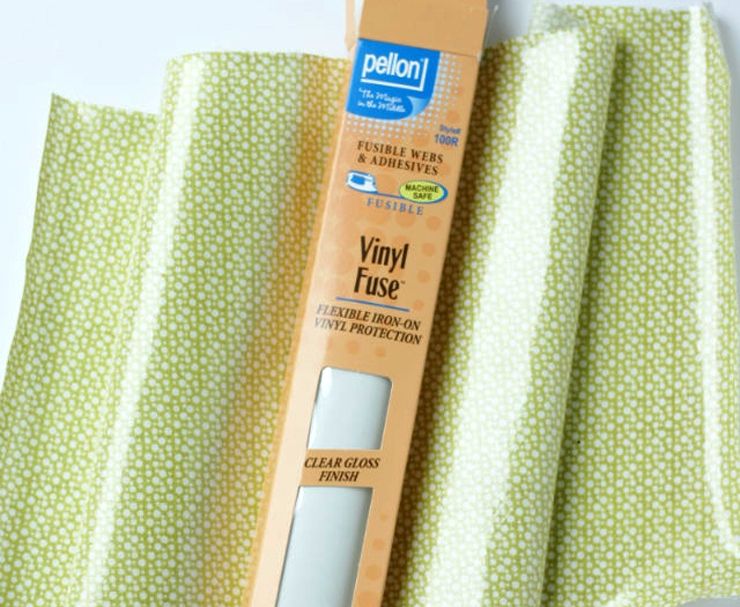
Press the fabric first and remove lint, threads, and other debris with a lint roller so that the surface is clean and smooth. Cut the film to the size of the fabric and remove the paper liner only if the product instructions call for it.
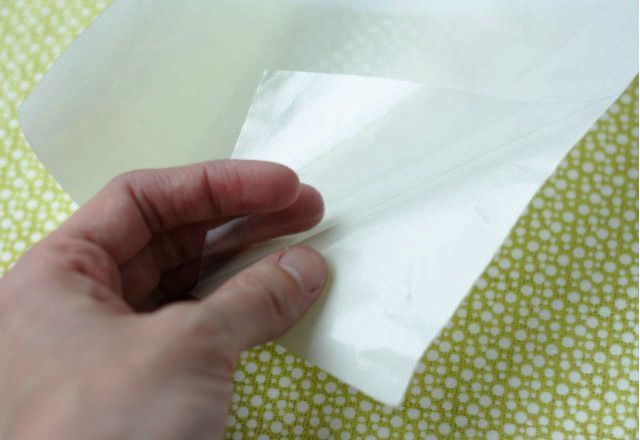
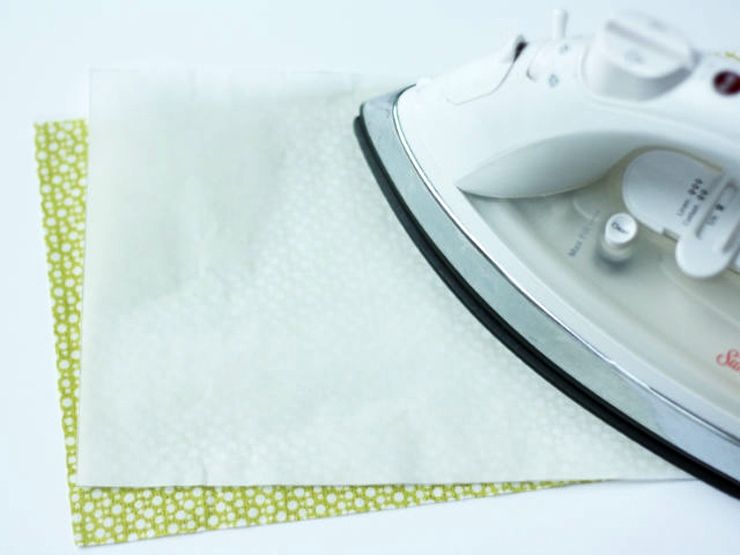
For the film shown here, place the adhesive side on the fabric, smooth it, replace the paper release sheet with its shiny side against the film, and press it with an iron. Use only the temperature and pressing time specified for the product and fabric; never leave a hot iron unattended.
The original post mentions Thermoweb, HeatnBond, and Pellon as examples of laminating materials. Check current instructions and compatibility information from the maker before choosing any product.
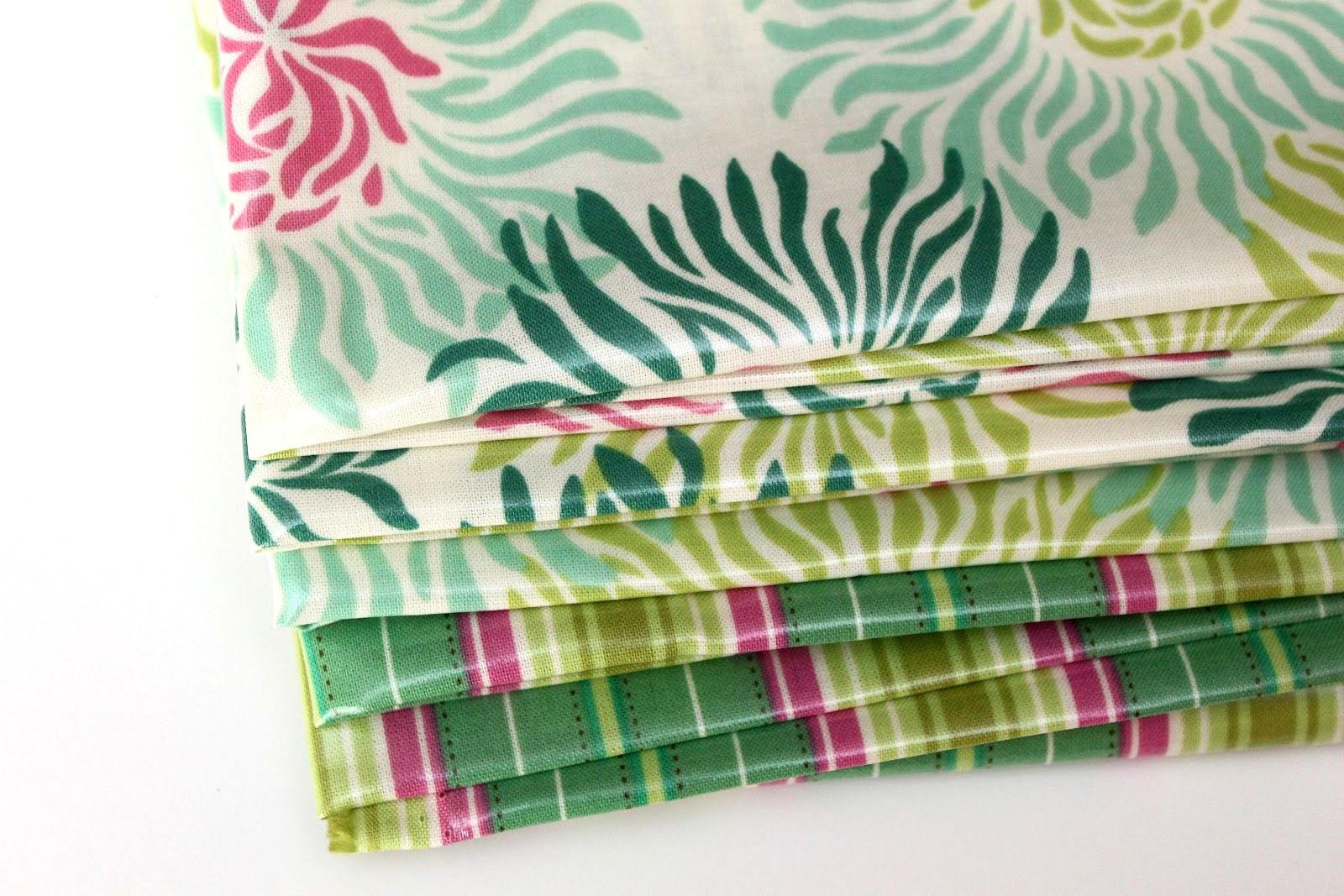
See the linked video for the original demonstration.


I think fabric like this could work well for a tablecloth. But what about washing it?