
Fabric Content and Fire Tests: Archive Safety Note
This archive post records observations about identifying fabric by its reaction to fire. A home burn test is neither a safe nor reliable way to identify fabric: first check the label or information from the supplier or manufacturer, and use a professional laboratory or specialist for an important material.
If an archive description refers to burning a tiny offcut, it is not an instruction or recommendation to repeat it at home. Such work is for an adult only, in a controlled, fire-safe and well-ventilated setting, away from fabric, solvents, children and pets; keep suitable fire-extinguishing equipment nearby, do not inhale smoke or fumes, and fully extinguish the sample. Molten synthetic fibres can burn and stick to skin.
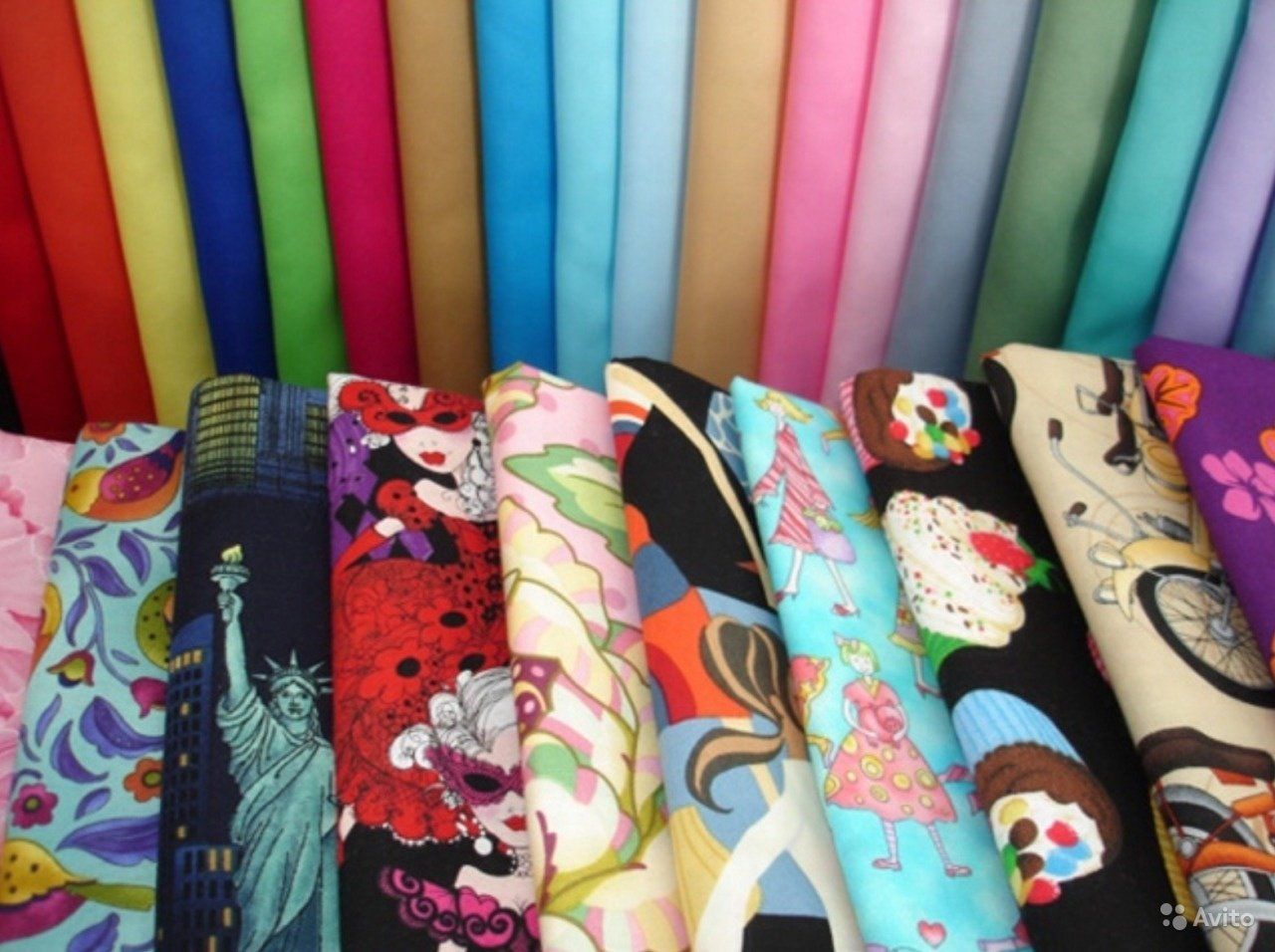
Fabric is made by interlacing warp and weft threads. Even when the threads look different, that does not reliably establish the content of a finished item: fabrics may be blended, finished, or coated.
Archive observations, not an identification guide
The notes below are preserved from the archive. They should not be used as a home reference table for confirming fibre content, because the reaction can vary with blends, dyes, finishes, and conditions.
Cotton, linen, and viscose: the archive says these may burn with a yellow flame and leave light grey ash with a burnt-paper smell.
Silk and wool: the archive says a sample may curl, smell like burnt hair, and go out when removed from the flame.
Acetate: the archive mentions a bright flame, a vinegar-like smell, a dark bead, and smouldering with smoke.
Nylon: the archive describes melting, slow burning, and a hard bead at the affected spot.
Polyester: the archive describes weak burning, a yellow sooty flame, and a black bead.
Acrylic: the archive describes intense burning, flashes, soot, and a brittle dark bead.
Chlorinated fibres and PVC: the archive describes fusing, charring, and a sharp odour. Do not try to identify these by smell or inhale any smoke or fumes.


I am one of those people for whom synthetics melt and natural fibres burn. 🙂 But that does not always work, especially with blends.
Fabric content can also be considered without burning fibres; there are other clues. For example, notice how readily the fabric creases and how it feels to the touch.
For example:
[Editor's note: These are broad, non-definitive observations. Labels, supplier information, or professional testing are safer and more reliable than a home flame test.]