Reusable Eco Bags for Fruits and Vegetables: Step-by-Step Instructions
About a year ago, large supermarkets began actively promoting eco-friendly reusable bags for groceries in general, as well as for loose vegetables, fruit, pasta, and grains. These small drawstring bags cost around 35–45 hryvnias.
BeginnerFree
Translated
Instructions
Step 1
About a year ago, large supermarkets began actively promoting eco-friendly reusable bags for groceries in general, as well as for loose vegetables, fruit, pasta, and grains. These small drawstring bags cost around 35–45 hryvnias. Truthfully, they cost about three times less to make! And since you need at least five of these bags, it makes sense to spend an hour sewing them yourself. Especially since it’s very easy!
Illustration 2
Step 3
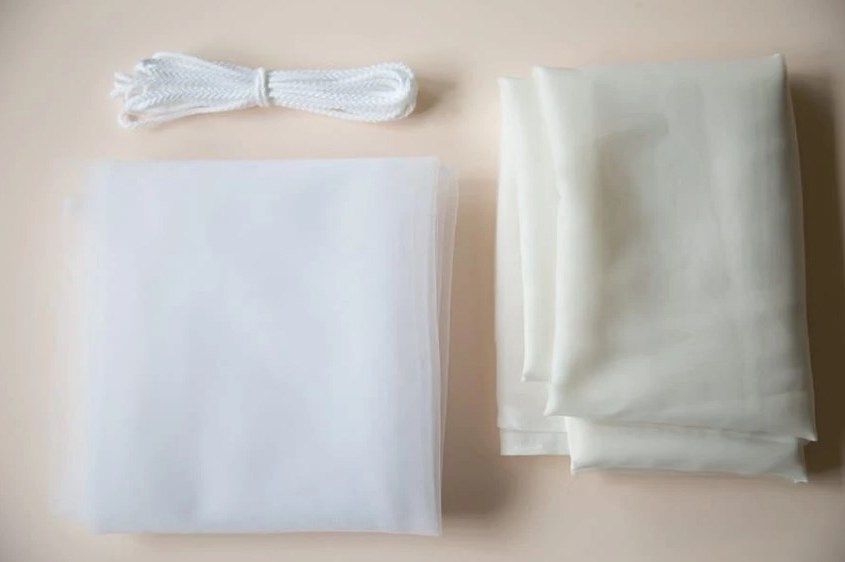
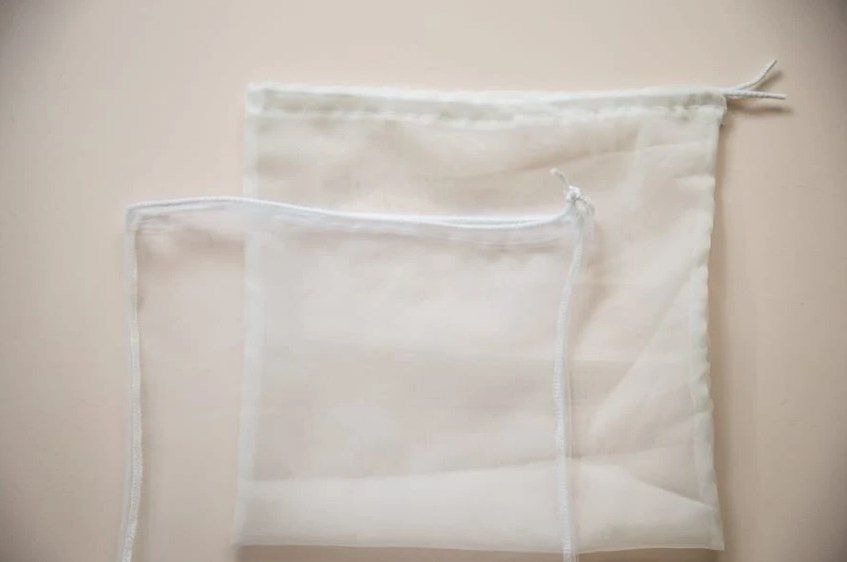
First, let’s talk about fabric. Tulle, organza, or knit mesh work well. For carrying and storing potatoes, beets, or carrots, raincoat fabric is a good choice (it washes easily). The finished bag should be easy to wash and quick to dry, so synthetic fabric, cord, and strong synthetic thread are ideal.
An overlock machine is used in the sewing process, but it can easily be replaced with a zigzag stitch or a French seam.
Prepare the following tools and materials: • fabric; • drawstring cord; • synthetic sewing thread; • ruler; • pencil; • straight pins; • scissors; • safety pin (for threading the cord through the casing); • sewing machine; • overlock machine (optional).
Illustration 4
Step 5
First, choose the desired bag size. Basically, you need a rectangular piece of fabric folded in half crosswise and sewn along the sides.
The width of the piece should equal the width of the bag plus seam allowances (6–7 mm for an overlock/zigzag stitch and 1–1.5 cm for a French seam); the length should equal twice the bag depth plus seam allowances (2–2.5 cm). For this tutorial, a piece of fabric measuring 35 x 76 cm plus seam allowances was used; the finished bag measures 35 x 38 cm.
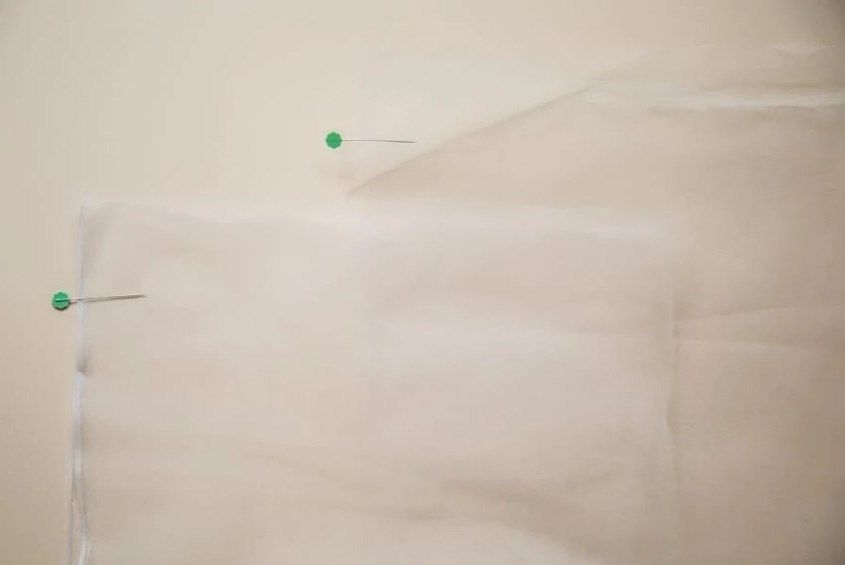
Align the short edges of the fabric, leaving the fold at the bottom. Measure 3.5–4 cm down from the top and pin this spot; this will be the opening for the drawstring casing.
Illustration 6
Step 7
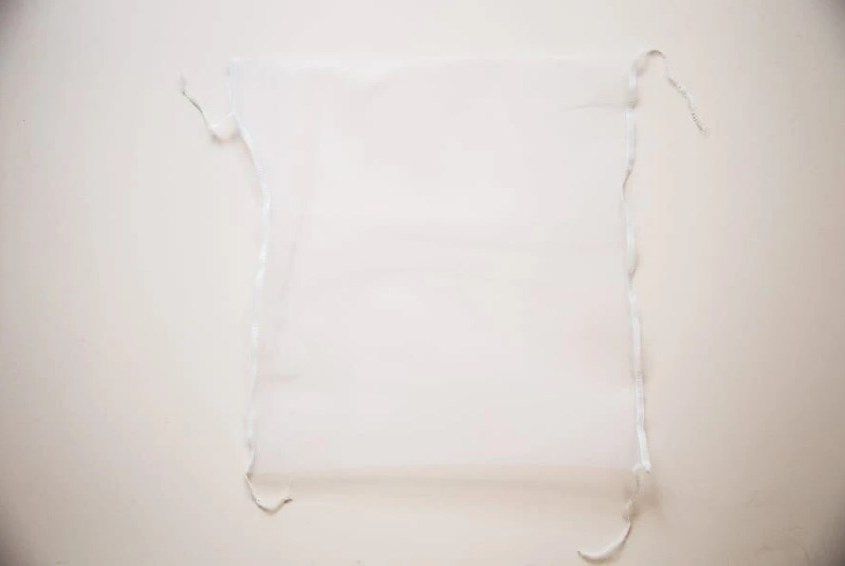
Sew the side edges of the bag (on one side, starting at the mark; on the other, all the way to the end). Backstitch at the beginning and end.
Illustration 8
Illustration 9
Step 10
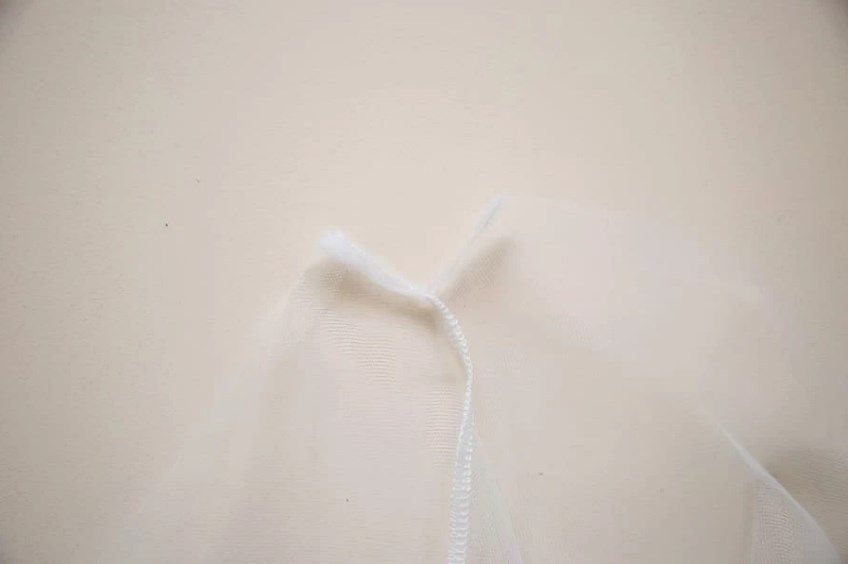
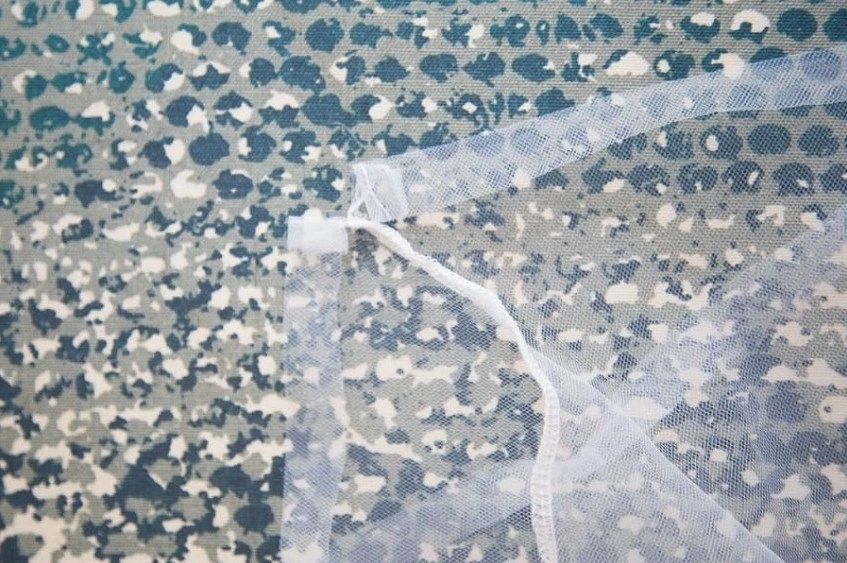
Finish the edges of the drawstring casing opening (press the seam allowance to the wrong side and secure it with a straight or zigzag stitch).
Illustration 11
Step 12
Fold the top edge of the bag to the wrong side by half the width of the casing and press it. Fold it again to the full width and press once more. Topstitch close to the edge.
Illustration 13
Step 14
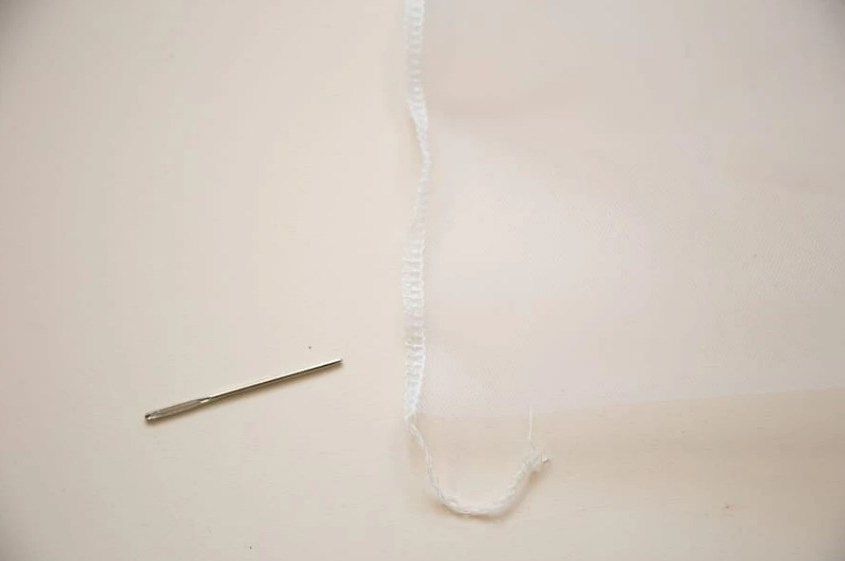
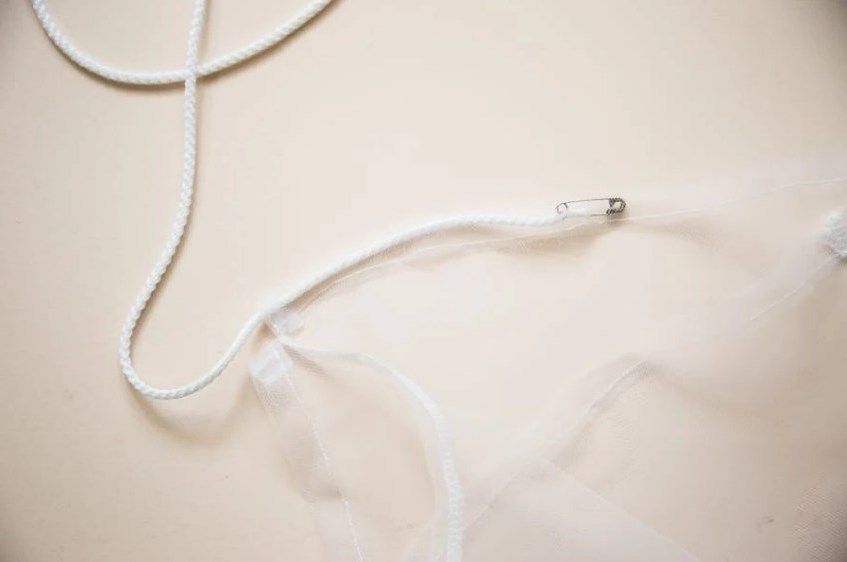
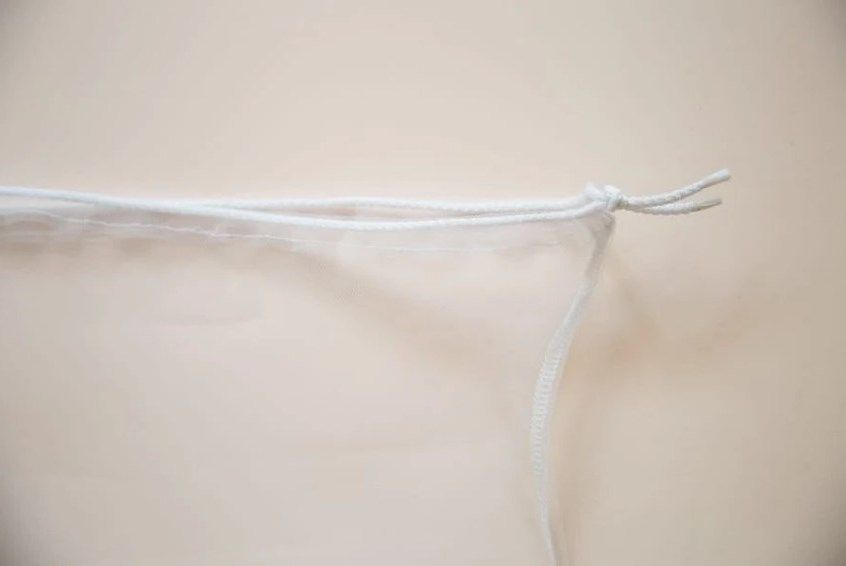
Thread the cord through the casing and tie knots at the ends.
Illustration 15
Illustration 16
Step 17
The produce bag is ready!
Illustration 18
Step 19
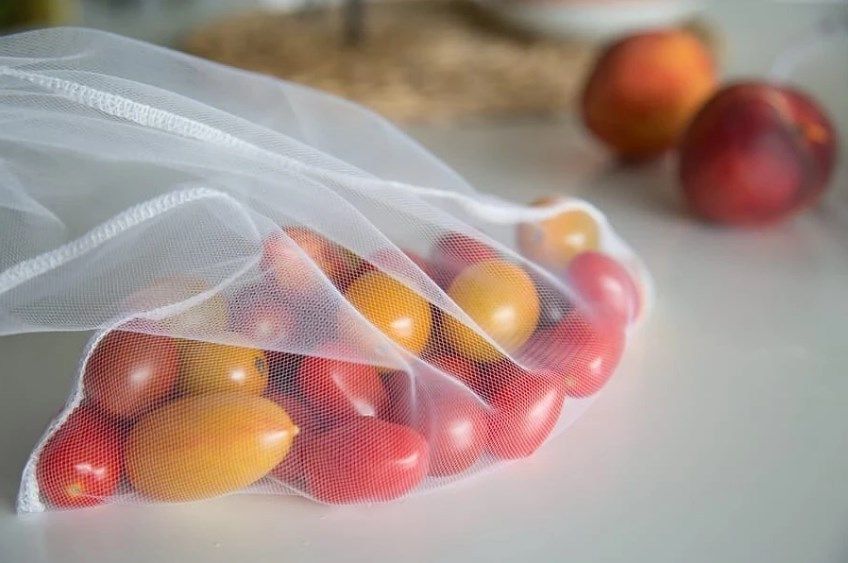
Mesh bags are convenient not only for carrying produce but also for storing it.
Illustration 20
Step 21
Thanks to the airflow, vegetables and fruit stay fresh much longer in the refrigerator. 😉
 BeginnerFree