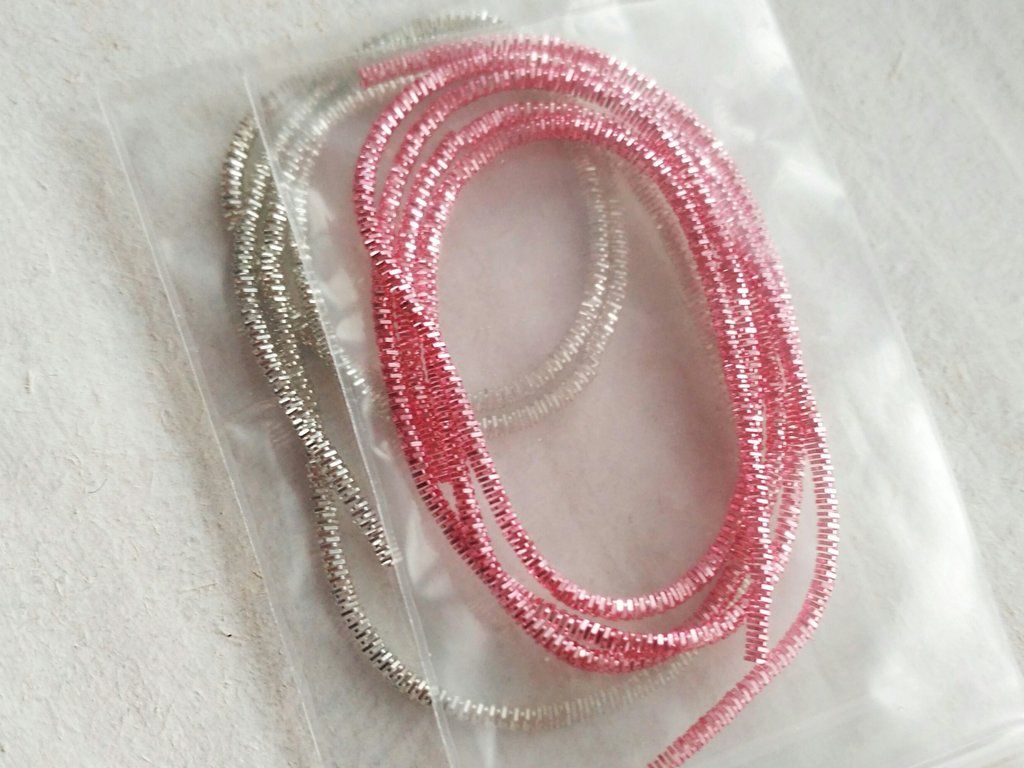
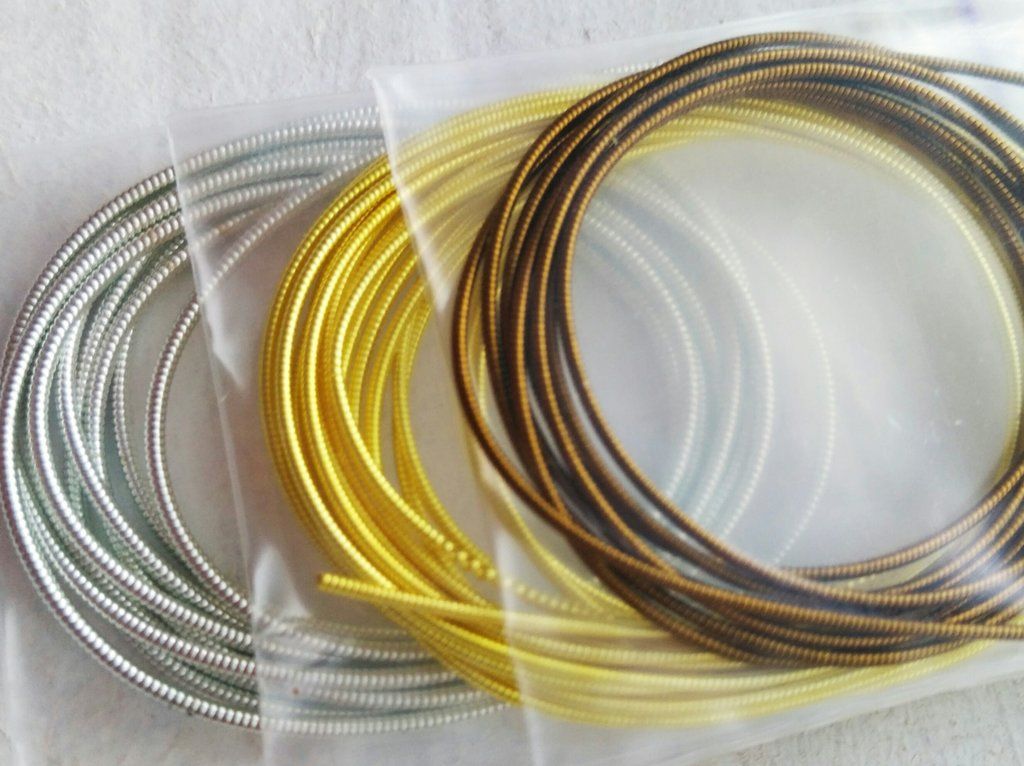
Hello, everyone! I’m continuing to share my experience making different brooches. One material commonly used for this is trunzal. Attaching it to your work is quite an interesting idea, so here are the three main
BeginnerFree
Translated
Process
Step 1
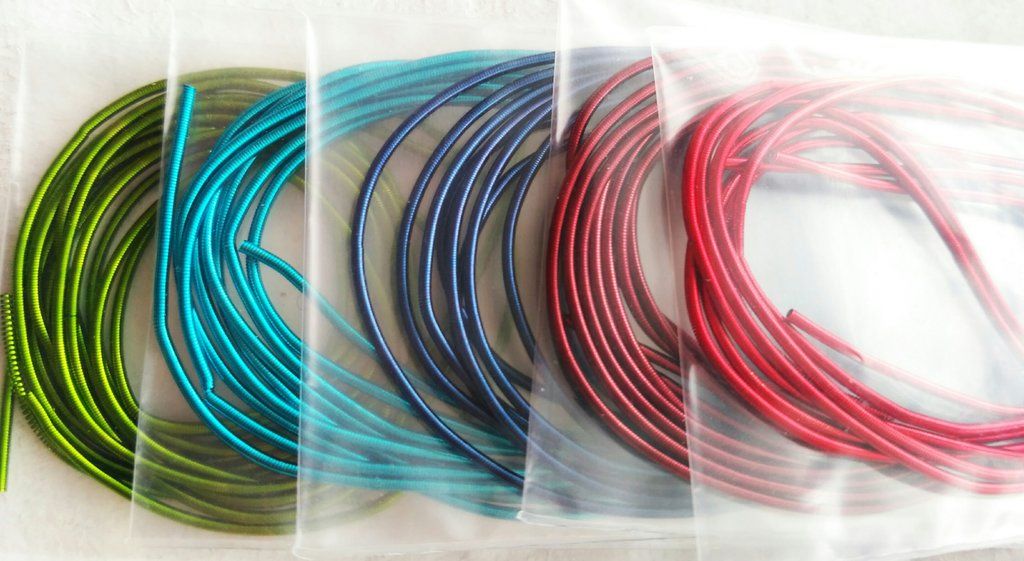
Hello, everyone! I’m continuing to share my experience making different brooches. One material commonly used for this is trunzal.
Illustration 2
Step 3
Attaching it to your work is quite an interesting idea, so here are the three main attachment methods:
1. Let’s call this the simplified method. Use it when you need only a component rather than a small, complete piece. Cut a long strand into short sections, thread them onto the needle, and sew them on like beads.
2. If you have soft purl, the attachment method is usually as follows: thread it onto the needle, stitch the strand down along the edges, then secure it with small cross stitches in several places.
Illustration 4
Step 5
Don’t forget about the finished look—after all, aesthetics matter. Gently stretch the purl beforehand. This allows the cross stitches to disappear beautifully inside the purl.
3. Another type of trunzal is rigid purl. It needs to be handled a little differently. Thread it onto the needle, then stitch it down along the edges with hidden cross stitches (a few short crosswise stitches).
Illustration 6
Step 7
You will also need to stretch the purl slightly. The crosswise stitches should be short and strictly perpendicular to the fabric.
Illustration 8
Step 9
As you can see, there is nothing difficult about attaching trunzal. I hope this helps you. Save time and avoid mistakes. Why repeat the same mistakes as those who came before you? =)

 BeginnerFree