How to Reuse an Old Blanket: Sew a Soft Pebble Rug for the Bedroom
Here's how to sew a soft 'Sea Pebbles' rug from an old blanket or comforter: make the fabric pebbles, arrange them on a base, and hand-sew everything together.
BeginnerFree
Translated
Things you will learn
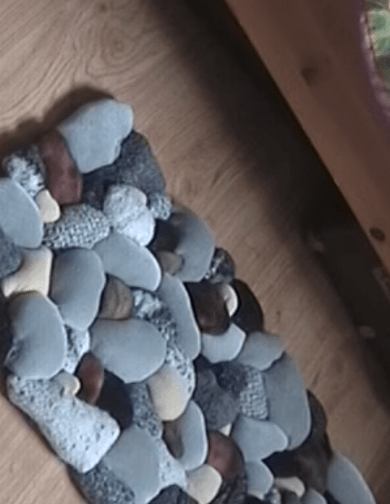
The 'Sea Pebbles' rug is sewn from an old blanket, comforter, wool coat, or a dense knit sweater in natural, pebble-like shades.
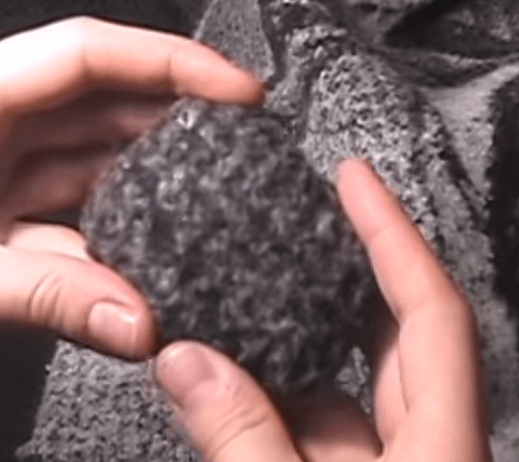
The pebbles are made from freeform ovals and circles: fold the edges in toward the center and sew them with sturdy thread, and stuff any knit pieces with synthetic batting.
The finished pebbles are arranged freely on a base of an old sheet and dense, preferably non-slip fabric, then hand-sewn to each other and to the base.
The whole project is done entirely by hand — all you need is a needle and thread.
What you'll get
A soft fabric 'Sea Pebbles' rug for the bedroom, entryway, or nursery — or a cozy bed for a pet.
Materials and tools
Materials
An old blanket, comforter, wool coat, or dense knit sweater, The main material for the pebbles; stick to natural, pebble-like shades.
Batting scraps, leftover yarn, or fabric scraps, For stuffing the pebbles.
An old sheet, One layer of the rug's base.
A piece of dense fabric, preferably non-slip, The second base layer, for strength and stability.
Tools
A needle and thread, The only tool you need — the whole project is sewn by hand.
Choose your materials
Pick the fabric and the base
Dig out a child's blanket, an old wool coat, a throw blanket — even a dense knit sweater will work. Stick to natural shades that resemble pebbles. For stuffing, use scraps of batting, leftover yarn, or bits of fabric. For the rug's base, you'll need an old sheet and a piece of dense fabric, preferably non-slip.
Make the fabric pebbles
Cut and sew the pieces
Cut freeform ovals and circles from the blanket, comforter, or other material. The size can vary. Fold the edges in toward the center and sew them with sturdy thread. This gives you these 'pebbles.'
Stuff the knit pieces
If you're using knit fabric, stuff the piece with batting.
Assemble the rug
Arrange the pebbles on the base
Once all the pieces for your rug are ready, arrange them freely on a piece of old sheet or another scrap of soft fabric.
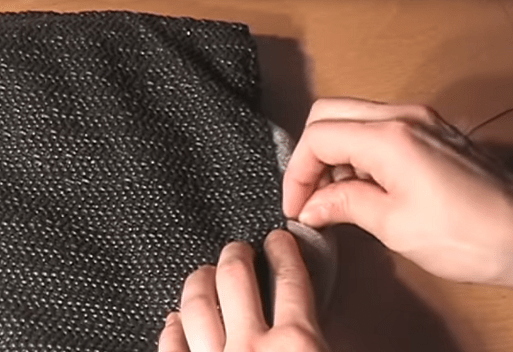
Sew the pebbles to each other and to the base
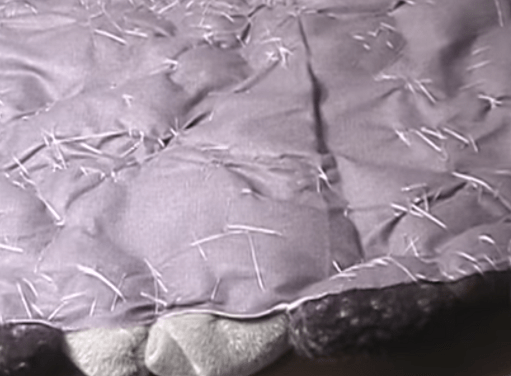
Hand-sew them to each other and to the base, making sure to tack down the edges. Here's what the wrong side looks like.
Attach the finished rug to its base
Attach the finished rug to its base.
Tips for choosing a base and everyday use
Choose the right base
Dense, soft, and not-too-loosely-woven materials work best for this rug: an old blanket, a wool coat, dense knit, fleece, or a comforter. If the fabric is loosely woven, make the ovals bigger and sew them more densely so the pebbles hold their shape over time.
Make the rug more comfortable to use
Before sewing everything down, lay out all the pieces on the base and check that there aren't any overly tall bumps. Soft, rounded pieces look great in a bedroom or nursery, while a flatter rug works better for an entryway. You can back the underside with dense fabric to help the piece hold its shape.
Finish and variations
Finish
Check that the pebbles are attached securely
Before using the rug, make sure every pebble is firmly sewn to its neighbors and to the base — the rug will get walked on a lot.
Variations
A pet bed
You can use the same technique to make a great bed for a pet.
A flatter version for the entryway
For an entryway, it's better to make the rug flatter, and save the soft, rounded pebbles for the bedroom or nursery.

 BeginnerFree