How to Finish a Neckline with Chiffon Bias Tape: A Simple and Clear Method
How to Finish a Neckline with Chiffon Bias Tape: A Simple and Clear Method
BeginnerFree
Translated
How to Finish a Neckline with Chiffon Bias Tape: A Simple and Clear Method
When working with delicate fabrics such as translucent chiffon, the method used to finish raw edges plays a crucial role. The option you choose and how well you execute it directly...
How to Finish a Neckline with Chiffon Bias Tape: A Simple and Clear Method
When working with delicate fabrics such as translucent chiffon, an extremely important role is played by
When working with delicate fabrics such as translucent chiffon, the method used to finish raw edges plays an extremely important role. The specific option you choose and how well you execute it directly determine the sewing quality and overall appearance of the garment.
One of the most popular methods is finishing with bias
One of the most popular methods is finishing with bias tape. Bias tape is widely used in sewing—it is used to finish raw edges and seam allowances. In addition, bias binding also adds a subtle decorative touch—it finishes a garment like a frame around a painting.
While cutting bias tape from cotton is easy even for a beginner sewist, silk chiffon poses a challenge: how do you stabilize its width?
As we already know, bias tape is cut at a 45-degree angle. Cotton and linen bias tapes hardly change their width after steam pressing, but delicate fabrics (especially silk chiffon!) can bring surprises by shifting in width, and unevenly across the entire strip (shrinking by 1 cm in one spot and up to 3 cm in another).
That is why it is recommended to cut bias tape from delicate fabrics wider than needed (leave an allowance of at least 2–3 cm).
For example, if the pattern calls for a 2 cm wide bias strip, you should cut a piece that is 4–6 cm wide.
Sometimes, you still cannot "tame" a chiffon bias strip even after stabilizing its width, and it continues to shift and slip. Let's tackle this challenge as well!
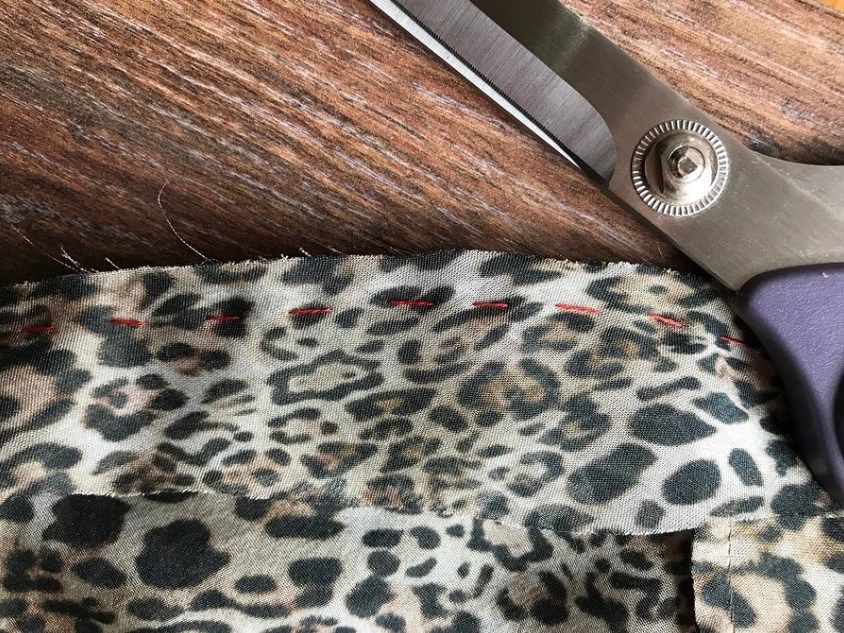
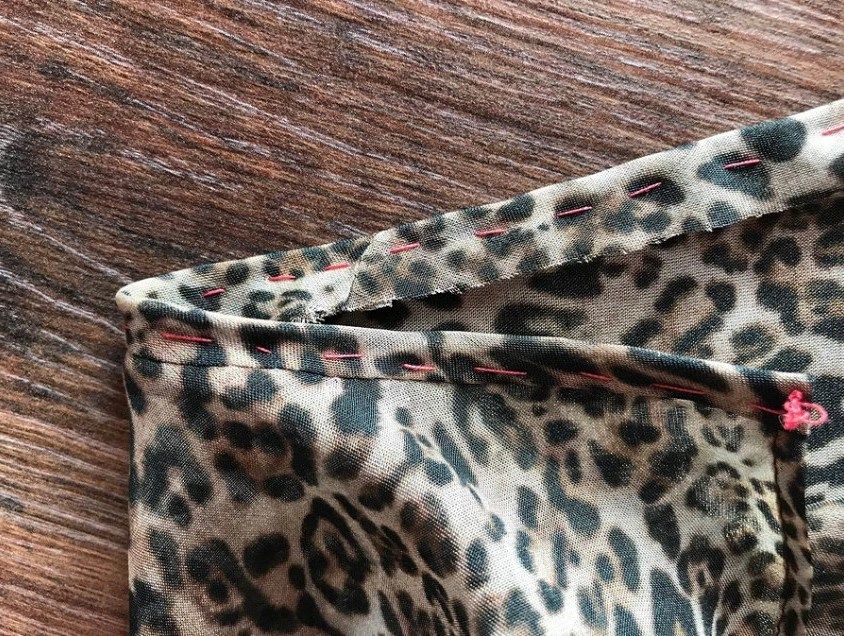
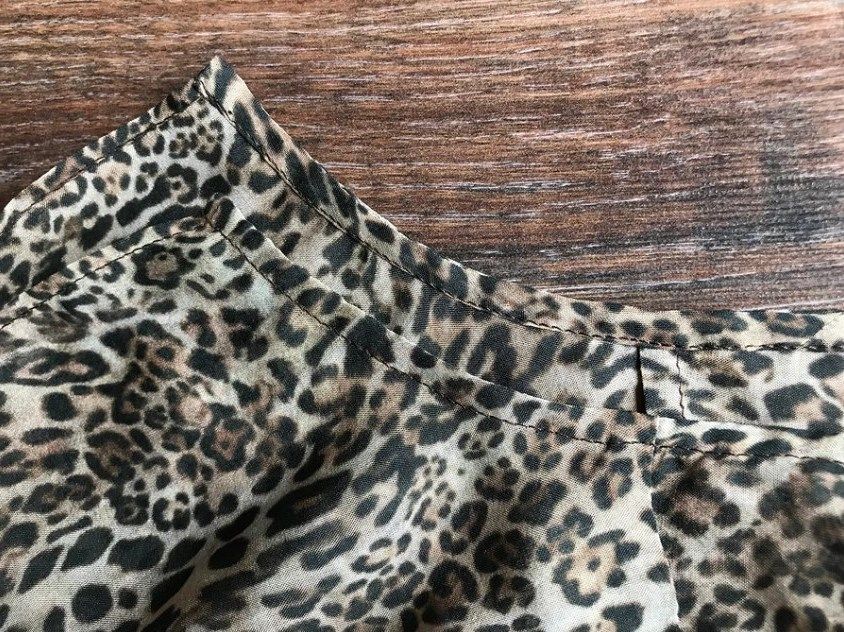
So, first, baste the bias strip to the raw edge, like this:
Now
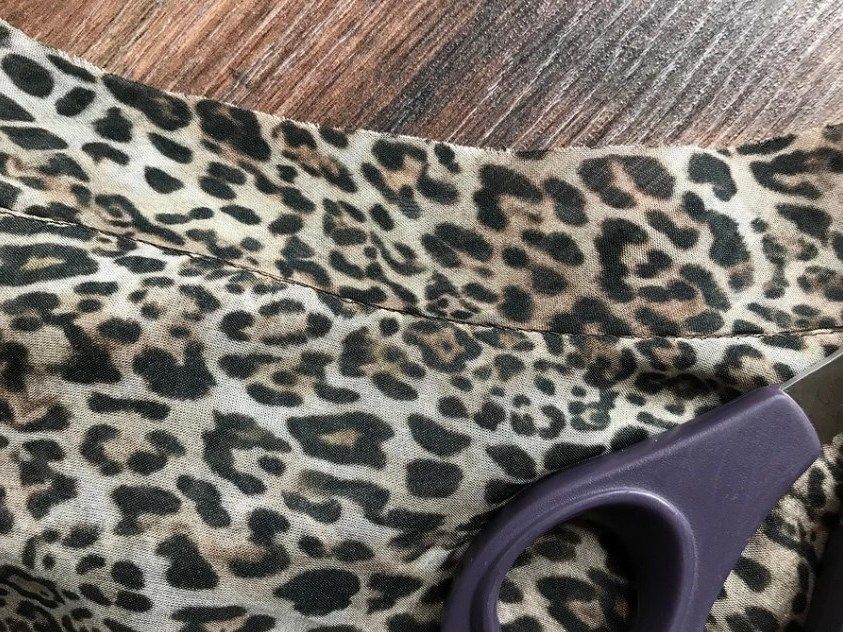
Now stitch it on.
Next, press it upward.
After that, wrap around
After that, wrap around the raw edge.
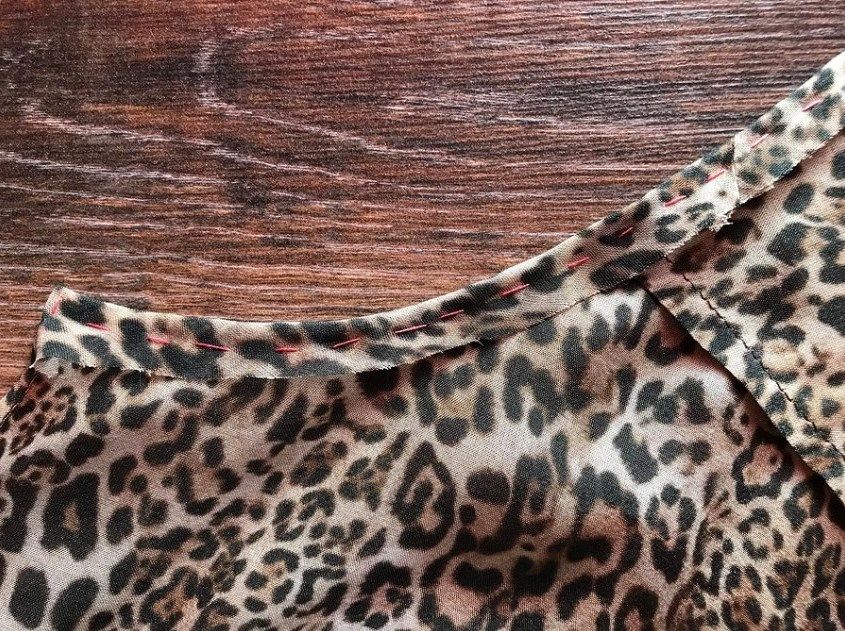
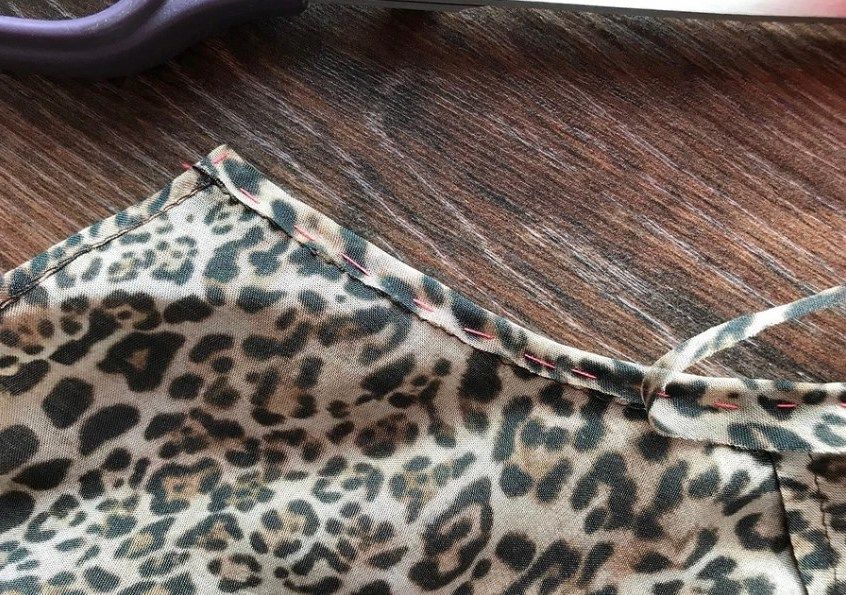
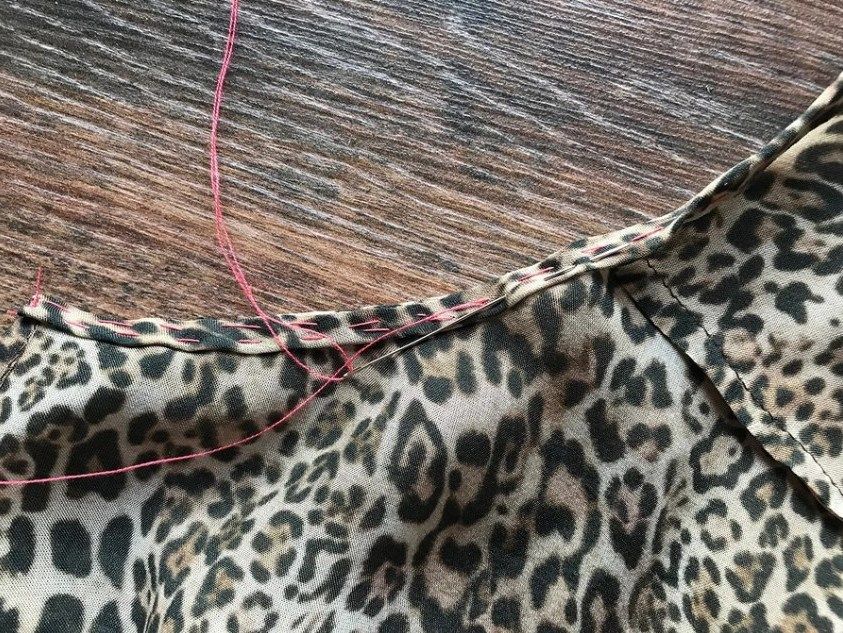
Baste.
Baste.
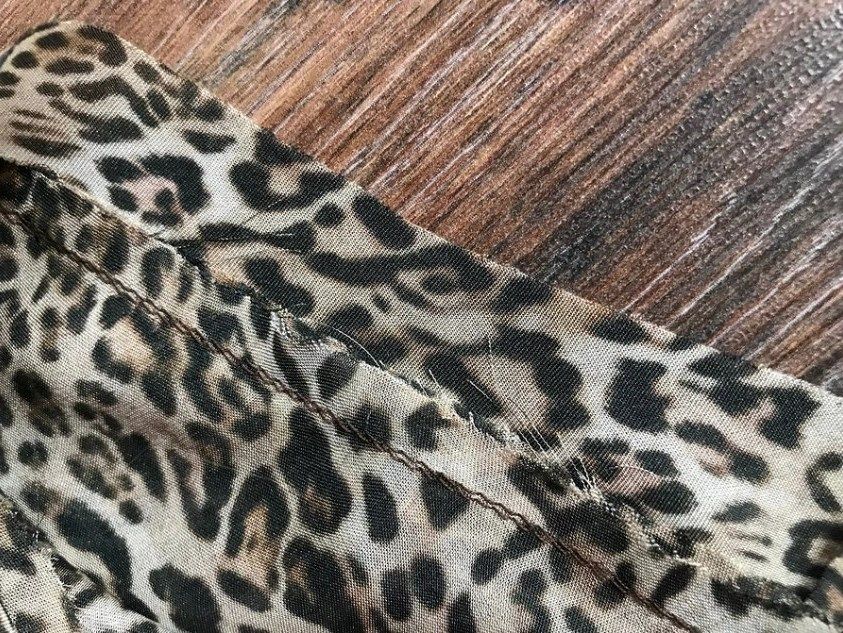
Trim the excess bias tape down to the level of the stitches
Trim the excess bias tape down to the seam stitching line.
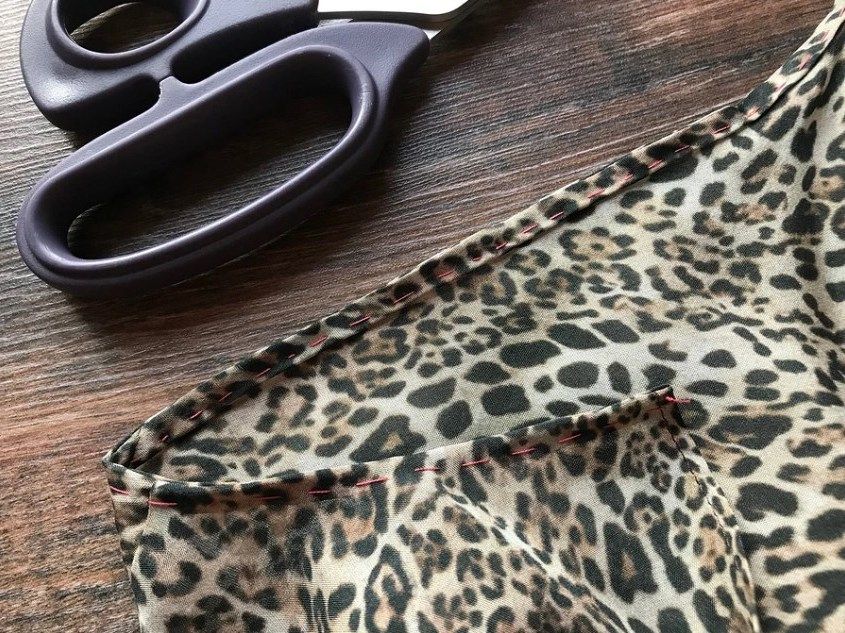
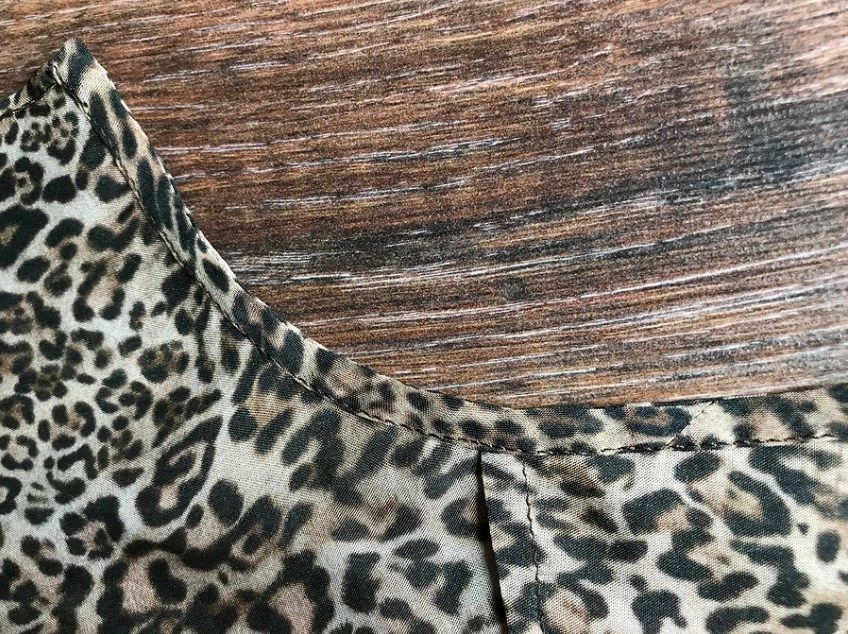
Turn the bias tape and seam allowance toward the
Turn the bias tape and seam allowance toward the wrong side.
 BeginnerFree