Piping made from contrasting fabric is a great way to finish a garment lining. The strip length equals the seam joining the lining to the outer fabric, excluding the hemline, plus 10 cm for finishing. Its width is up to you...
BeginnerFree
Translated
How to Add Piping to a Garment Lining
Piping made from contrasting fabric is a great way to finish a garment lining. The strip length equals the seam joining the lining to the outer fabric, excluding the hemline, plus 10 cm for finishing. Its width is up to you...
Main Steps
Step 1
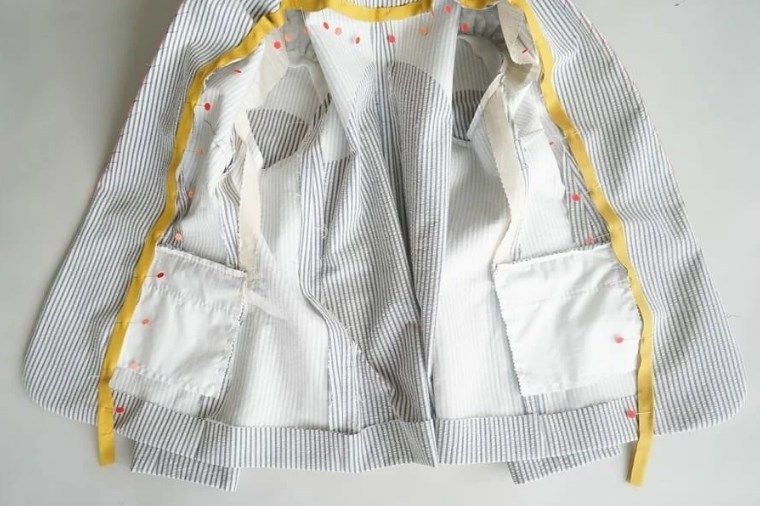
Piping made from contrasting fabric is a great way to finish a garment lining. The strip length equals the seam joining the lining to the outer fabric, excluding the hemline, plus 10 cm for finishing. Its width is up to you. In this example, it is 3.8 cm wide and folded in half lengthwise = 1.9 cm. After seam allowances, the finished piping is 3 mm wide. Sew the strip in together with the lining.
Step 2
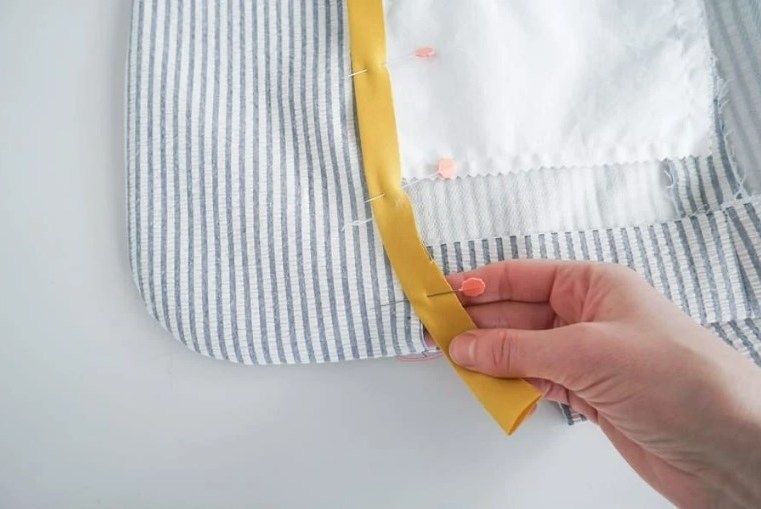
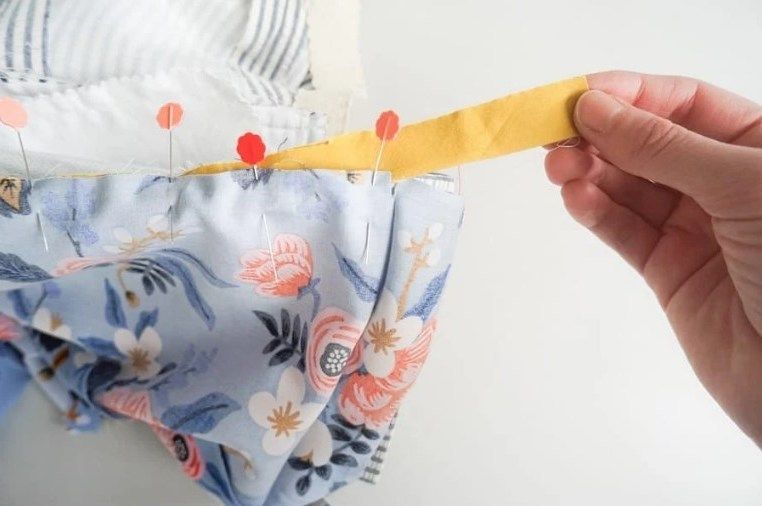
Fold the piping strip in half with the right side out and press it. Find its center and pin it to the garment pieces, starting at the top.
Step 3
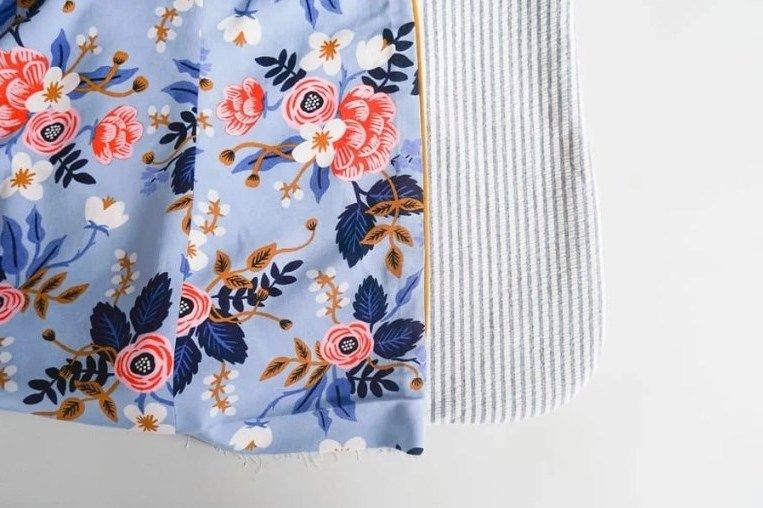
The fold of the strip faces outward and the ends hang free at the bottom. Bring the ends toward the center of the garment, tapering them smoothly, and pin them 5 cm above the lower edge.
Step 4
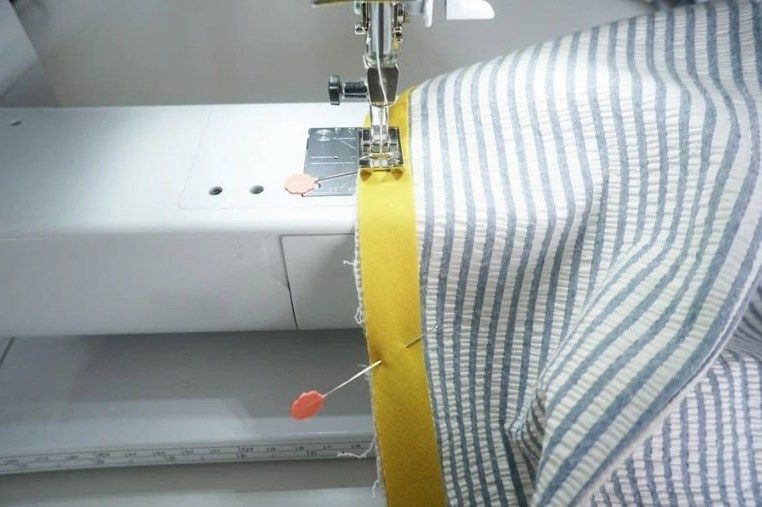
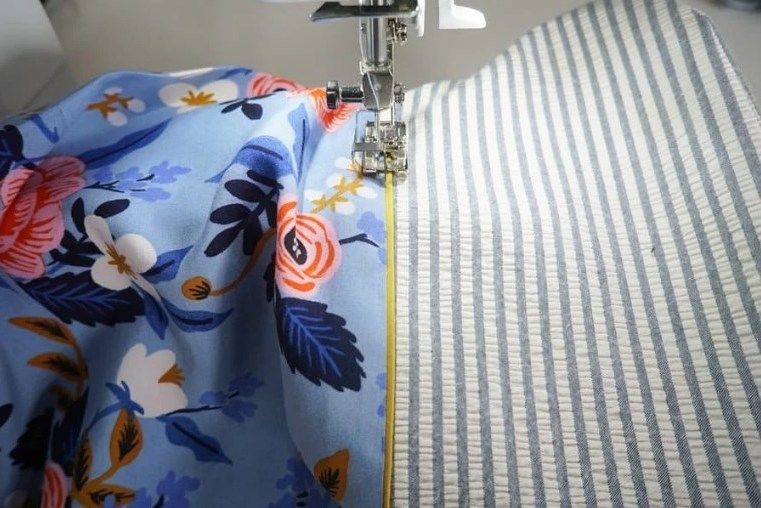
Stitch it with a 1.5 cm seam allowance.
Step 5
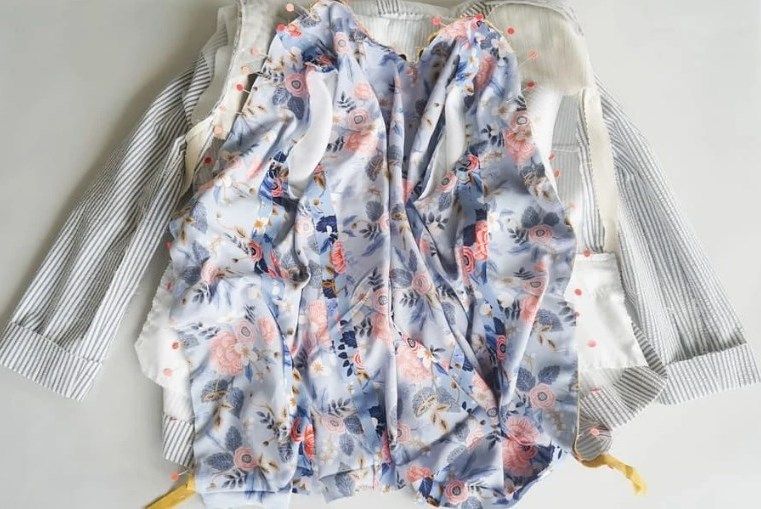
Turn the jacket inside out. Place it right sides together with the lining piece and pin along the edges of the facings and front extensions.
Step 6
The ends will be enclosed inside. Trim away the excess.
Step 7
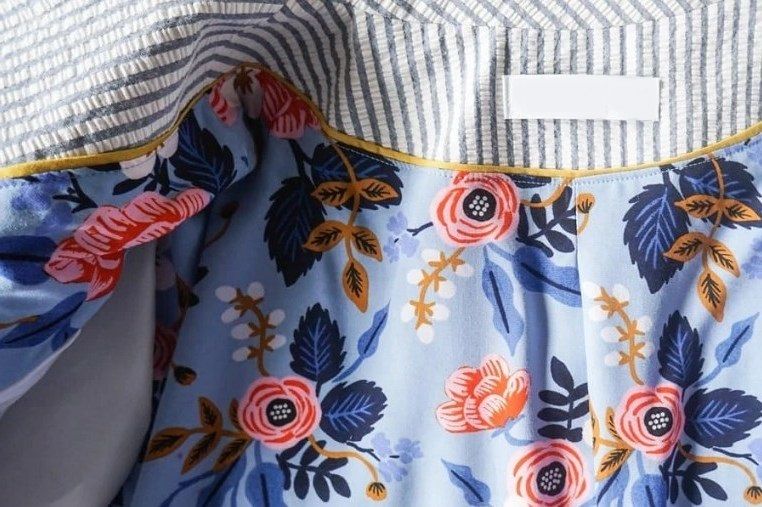
Sew in the lining pieces, except at the jacket hem and sleeves, with a 1.6 cm seam allowance. Turn right side out and press.
 BeginnerFree