
DIY Rice Heating Pad: Essential Archive Safety Notes
I do not know about you, but I really dislike the damp, chilly autumn in-between season. The problem is worse when you live in an ordinary apartment building: private homeowners can turn on their heat whenever they want.
The rest of us have to wait for the heating season to begin.
This is an archive idea for a scented heating pad made from everyday materials. It may provide short-lived warmth, but it is not a treatment and should not be used to soothe a child in bed. Do not leave it with children or pets unsupervised.
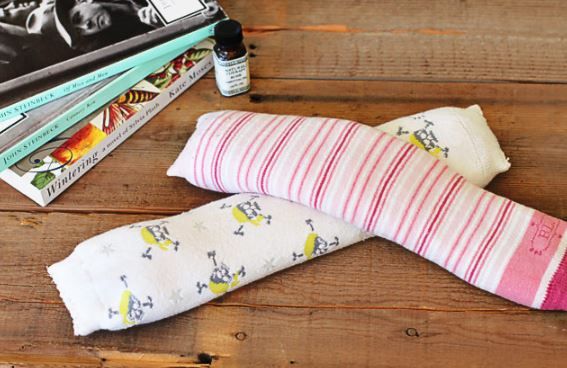
You will need a clean, sturdy cotton sock or piece of fabric, dry rice, a needle, and thread. Fragrance is optional: use only a product intended for this purpose and follow its label, or leave the pad unscented.
If using a sock, cut off the foot so that a straight tube remains. Sew one end securely, then inspect the seams before every use: hot filling can escape through even a small opening.
Add dry rice in small portions and do not overfill the cover. Do not drip essential oils directly onto the rice: they can irritate skin or airways and trigger allergies, especially around children and pets.
Sew the second end closed. The pad should remain intact, dry, and free of damage.
The original post gives 40–60 seconds in a microwave, but that is not a universal safety instruction. Do not heat a homemade pad on a stove or in an oven, leave it unattended, or use it if the fabric is damaged, the filling is damp, or there is a burning smell. Microwave heating can be uneven and can cause burns or fire; it is safer to follow the maker’s instructions for a commercially made heat pad.
Before any skin contact, test the temperature on your hand or forearm. Use only on intact skin, avoid prolonged contact, and stop if it feels too hot or uncomfortable. Do not put a hot pad in bedding, pockets, under clothing, or near a child, pet, or flammable material.
A heating pad may feel comforting, but it does not treat pain, injuries, infections, or other medical conditions. Do not apply heat to unexplained pain or inflamed or damaged skin; persistent pain, swelling, numbness, or other concerning symptoms need medical advice.
As for fragrance, you can simply leave it out.
Essential oils do not relieve pain, anxiety, or depression, strengthen the nervous system, or provide reliable treatment. They can cause irritation and allergic reactions. Do not apply them to skin through the pad, use them near the face, or leave them accessible to children or pets.
Aromatic oils also do not disinfect a room or prevent seasonal respiratory infections, COVID-19, or other illnesses. For health protection, follow current public-health guidance.


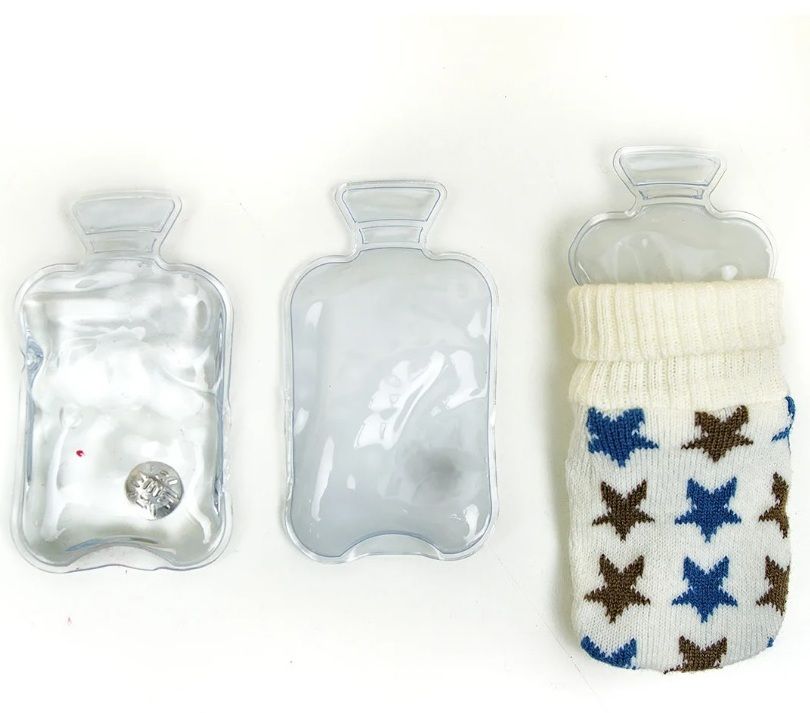


I remember making similar bags when the heating was unreliable. We filled a sturdy cotton pouch with coarse salt; the archive mentions heating it in a frying pan or on a baking tray. A friend also showed me palm-sized cushions filled with warmed grain for coat pockets.
[Editor’s safety note: Treat these as archived personal experiences, not heating instructions. Hot salt or grain can cause burns or fire, and a heated pad should not go in a pocket. Do not heat a fabric pouch in a pan or oven, leave it unattended, or use it near children; use a commercially made warmer only as its manufacturer directs.]
The photo did not attach at first, sorry.