
Soap from Scratch: Safety and Common Myths
Soap made from scratch is neither medicine nor a universal skincare solution. It can cleanse the skin, but comfort and tolerance vary from person to person. This post reviews common misconceptions; it does not replace soapmaking training, ingredient instructions, or advice from a dermatologist.
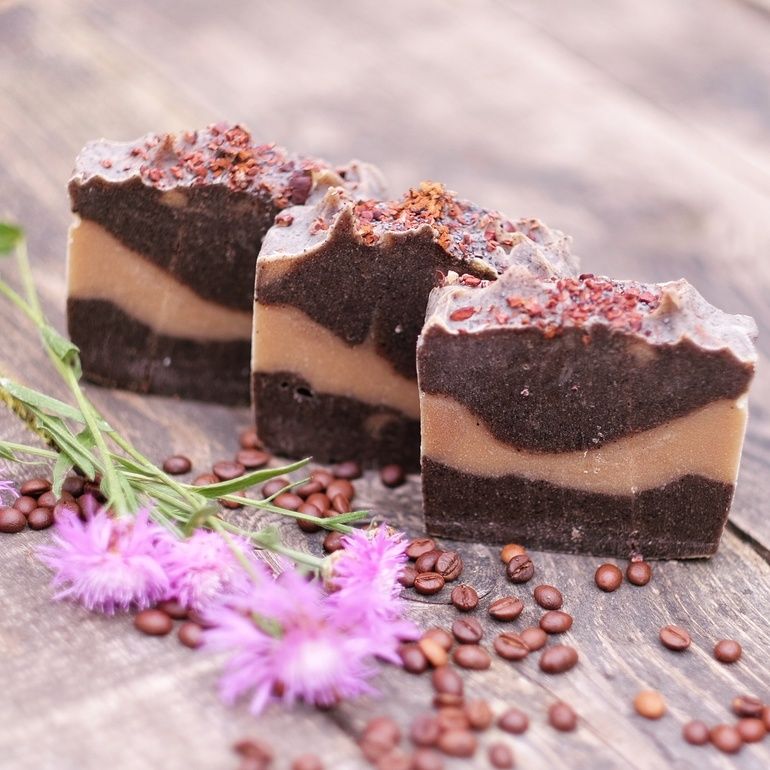
Myth 1: Soap from scratch is the “most natural” product
A finished bar depends on the selected oils, additives, and the accuracy of the process. Sodium hydroxide or potassium hydroxide is used for saponification: these are corrosive alkalis before they react and must be handled carefully. A correctly calculated, fully cured soap should not be described as “free aggressive lye”, but that does not remove the need for strict safety around the raw materials.
Myth 2: Dry skin should be ignored or handled in only one way
Skincare is individual. If a soap leaves the skin dry, stinging, or irritated, stop using that product and choose an option that suits you better; seek professional advice for persistent symptoms. Moisturiser is an ordinary part of skincare for many people, not a reason for sweeping judgments.
Myth 3: Every uncomfortable reaction has one simple cause
Formula, use, skin characteristics, and water can all affect how a product feels, but one reaction cannot diagnose the cause or prescribe a remedy. It is not responsible to promise that “softening additives” or herbs will solve a problem. If irritation occurs, stopping use is safer; obtain professional advice when needed.
Myth 4: Soap heals or rejuvenates
Marketing promises to heal, rejuvenate, or “boost local immunity” are inappropriate. A finished, correctly calculated, and fully cured soap is not the same thing as raw lye, but any cleanser may be unsuitable for a particular person, especially on the face or on affected skin. There is no universal frequency of use: follow your own tolerance and professional guidance, and stop use if irritation develops.
Myth 5: Soap from scratch can be made without preparation or safeguards
This risk should not be minimised. Before a first attempt, use reliable training, understand precise formula calculations, and work from a verified lye calculator. Handling NaOH or KOH requires eye and skin protection, good ventilation, dedicated alkali-safe containers and tools, and a workspace inaccessible to children and animals. Do not improvise with lye amounts or vessels, combine the process with food preparation, or use a batch before the safe cure appropriate to its validated formula. This is an overview, not a recipe.


But what about all those videos saying that, when working in a kitchen, you need to cover everything with film so lye does not land anywhere? Does that not conflict with safety rules? It seems to me that soapmaking needs a separate clear workspace, with nothing else nearby. I also used to think soap from scratch was the most natural kind and shop soap was all chemicals. After attending a workshop, I realised how mistaken I was.
When you make soap to order, how do you find out which kind a client wants and which oils to use? Do you ask them lots of questions? I have bought melt-and-pour soap, but nobody asked me anything except about the scent.