
DIY Ubtan Powder: Recipes and Preparation Notes
Ubtan is a dry powder traditionally mixed from very finely ground oats or chickpeas and herbs. I was skeptical for a long time, but after trying it I came to enjoy how my skin felt. In my experience, it felt soft and smooth, and I thought my breakouts and blackheads looked less noticeable. These are my personal observations, not treatment claims. Any ingredient can irritate skin or trigger an allergy, so patch-test a small amount first, avoid the eye area and broken or inflamed skin, and stop if burning, swelling, prolonged stinging, or a rash develops.
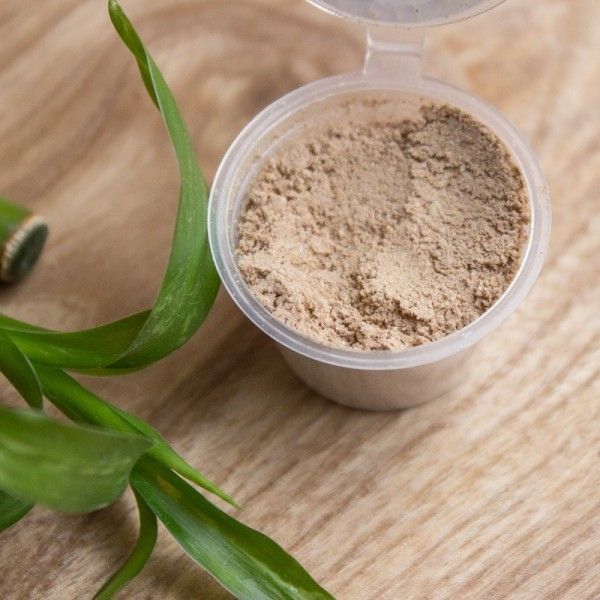
The basic idea is to grind good-quality rolled oats in a coffee grinder until they are almost flour-fine. Grind with the lid closed, let airborne dust settle before opening the grinder, and avoid inhaling the powder. I sometimes used this plain oat powder on my dry, sensitive skin, but even a simple blend may not suit everyone.
Below are the additions I associated with different skin types in my own routine. They are archival personal recipes rather than dermatological guidance.
For dry skin, I used ground rose, lavender, calendula, linden blossom, chamomile, licorice, or sweet clover.
For sensitive skin, I used parsley, lavender, linden blossom, or chamomile.
For skin prone to breakouts, I listed ground nettle, lavender, kelp, rosemary, basil, rose, thyme, oregano, sage, or horsetail. The source described these as disinfecting, pore-tightening, and drying active inflammation; those effects are not established here.
For normal skin, I used ground rose, lavender, chamomile, nutmeg, mint, lemon balm, or parsley.
Keep the dry powder in a clean jar with a tightly fitting lid and take it out only with a clean, completely dry teaspoon. Use clean ingredients from a reliable source; clays and botanical powders should be intended for cosmetic use. Discard the blend if it becomes damp, develops an unusual smell, or shows any sign of spoilage.
For each use, I put 1 teaspoon of powder in my palm, added a little water to make a paste, applied it to my face with light pressure, and rinsed with warm water without soap. The source says to massage for 2–3 minutes, but that is the author's routine, not a requirement; do not scrub, and rinse sooner if the mixture starts to sting or irritate. Mix only what you will use immediately.
The source gives this general proportion:
- 40% base (chickpea or oat flour)
- 30% herbs
- 20% optional additions (such as alum or clay)
- These figures total 90%, as they do in the source; the missing 10% is not specified.
The source labels the following as 10 g recipes. The oily-skin dry ingredients listed below total only 9 g; the missing 1 g is not specified.
Normal skin
- 4 g flour
- 2 g ground rose
- 2 g soapwort
- 2 g yellow clay
I liked to mix this blend with rose hydrosol.
Oily skin
- 4 g flour
- 2 g kelp
- 1 g neem powder
- 2 g green clay
The source also calls for a few drops of salicylic acid but gives no product, concentration, or formulation. Do not add salicylic acid to this homemade blend; use any separate, labeled salicylic-acid skin-care product only as directed.
Dry skin
- 4 g chickpea flour
- 2 g ground rose
- 1 g licorice
- 1 g oats
- 2 g red clay
I mixed this blend with coconut oil or shea butter that had been melted and allowed to cool before use.
Skin prone to breakouts
- 3 g chickpea flour
- 2 g neem powder
- 2 g rosemary
- 1 g oats
- 2 g rhassoul clay
The source again calls for a few drops of salicylic acid without identifying the product, concentration, or formulation. Do not add it to this homemade blend.
I have combination skin and keep my own mixture simple: finely ground oats, chamomile, and thyme. I also liked blue clay and felt that it cleaned my pores and reduced oiliness, but that is only my personal experience.


Yes, it is tricky: the cheeks can feel dry while the T-zone becomes oily, so finding the right routine is difficult. 🙁 I use micellar water to remove makeup; when I am not wearing makeup, I use only the ubtan. Do not rub the eye area. I have also tried a chamomile, blue-clay, and oat mixture as a mask for 5–10 minutes. 🙂
Editor's safety note: Patch-test the mixture first, avoid broken or inflamed skin, and do not treat 5–10 minutes as a required duration; rinse sooner if it stings or irritates.